Does Roof Flashing Need to Be Replaced With a New Roof?
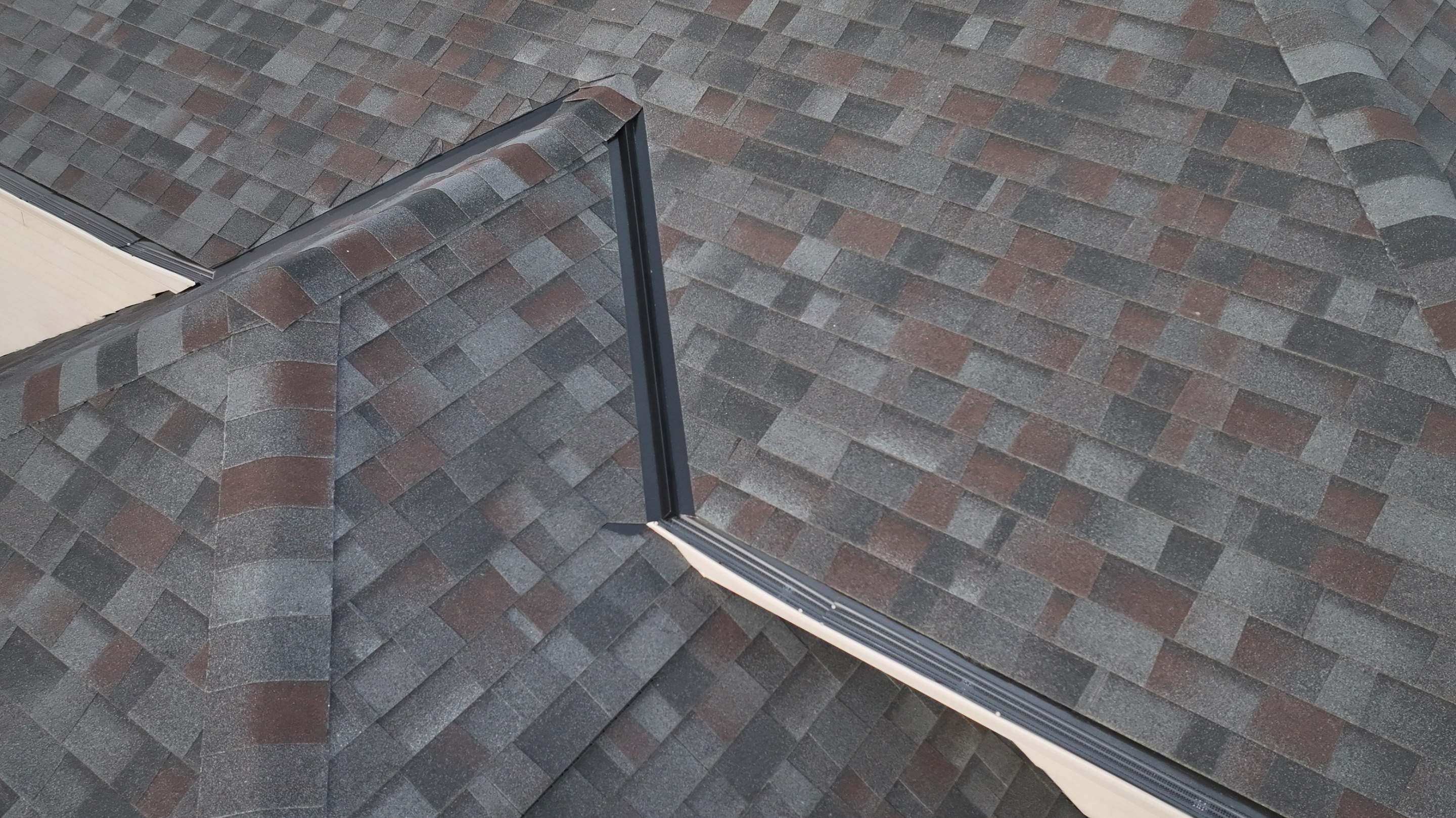
Many homeowners don’t think about roof flashing until there’s a leak. But if you’re replacing your roof, the condition and installation quality of the flashing can play a major role in how well your new roof performs over time.
Some roofers insist flashing should always be replaced with a new roof, while others recommend reusing existing flashing if it still appears to be in good condition. And for homeowners trying to choose a contractor to partner with, that can quickly become confusing.
At Happy Roofing, we’ve replaced hundreds of roofs throughout the greater Naperville area, and we’ve seen firsthand the problems that can develop when flashing is improperly installed, poorly integrated into the roofing system, or allowed to deteriorate over time. In some situations, existing flashing may still appear fine from the outside, but hidden issues underneath can create leak risks that impact the performance and lifespan of the new roof.
In this article, you’ll learn what roof flashing actually does, why flashing should be replaced during new roof installations, and what risks homeowners should understand if old flashing is reused.
By the end, you’ll have a much clearer understanding of how flashing impacts the performance of your roof, so you can determine the right approach for your roofing project.
Key Takeaways
- Roof flashing is a critical waterproofing component that protects vulnerable areas like chimneys, walls, skylights, valleys, and roof penetrations.
- Reusing old flashing during a roof replacement can create hidden leak risks, even if the flashing appears fine from the outside.
- Proper flashing installation matters just as much as the materials themselves, especially around high-risk areas like chimneys and wall intersections.
- Replacing flashing during a roof replacement can help reduce the likelihood of future leaks, premature repairs, and costly rework later on.
Table of Contents
- What Is Roof Flashing?
- The Risks of Reusing Old Flashing
- Why Some Contractors Reuse Old Roof Flashing
- What to Do Before Choosing a Roofing Contractor
What Is Roof Flashing and What Does It Do?
Roof flashing is a thin metal material installed in vulnerable areas of the roof to help prevent water from entering the home by directing water away from seams, joints, and roof penetrations.
While shingles handle most of the water-shedding on a roof, flashing is what protects the areas where roofing materials meet walls, chimneys, vents, skylights, valleys, and other transitions. These are the spots where water is most likely to work underneath the roofing system if they are not properly sealed and protected.
Flashing is typically made from metal materials like aluminum, galvanized steel, or copper and is installed beneath or alongside roofing materials to create a waterproof barrier in high-risk areas.
Some of the most common locations where flashing is installed include:
- Chimneys: Protects the area where the roof meets the chimney structure
- Roof valleys: Helps channel water safely down the roof where two slopes meet
- Wall intersections: Prevents water intrusion where roofing meets siding or brick walls
- Pipe penetrations and vents: Seals around exhaust vents, plumbing pipes, and other roof penetrations
- Skylights: Helps waterproof the edges and transitions surrounding skylights
If flashing is damaged, worn, improperly installed, rusted, or beginning to separate from surrounding materials, water can bypass the roofing system and begin leaking into the home.
One important thing homeowners should understand is that flashing failures are often not immediately visible. Flashing can appear acceptable from the outside, while hidden deterioration, improper installation methods, or weakened seals underneath could still be creating leak risks.
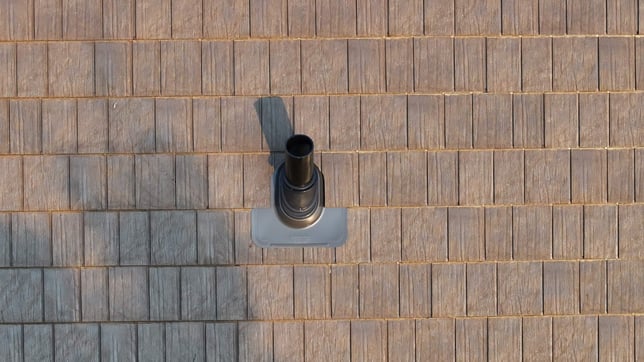
Below is an example of the pipe flashing (we call it the Happy Boot) we used on one of our recently completed projects:
Should Roof Flashing Be Replaced During a New Roof Installation?
Roof flashing should be replaced during a new roof installation to help ensure the new roofing system is fully protected against water intrusion.
While some flashing may still appear functional from the outside, hidden deterioration, weakened seals, installation issues, or damage caused during roof tear-off can create leak risks later on. Because flashing protects some of the most vulnerable areas of the roof, reusing older materials can introduce weak points into an otherwise brand-new roofing system.
Replacing flashing during a roof installation also allows the new roofing materials, underlayment, waterproofing barriers, and flashing system to work together properly as one integrated system.
Although replacing flashing may slightly increase upfront project costs, it can help reduce the likelihood of future leaks, repairs, and premature roofing problems over the long term.
Watch the video below for a short look into our process when it comes to replacing roof flashing:
What Risks Come With Reusing Old Roof Flashing?
Reusing old roof flashing can increase the risk of leaks, premature roof issues, and hidden water damage, even if the flashing initially appears to be in good condition. When a new roof is installed around aging or worn flashing, any hidden vulnerabilities can become weak points in an otherwise brand-new roofing system.
Some of the most common risks associated with reusing old flashing include:
- Leaks developing around vulnerable roof areas: Chimneys, walls, skylights, valleys, and roof penetrations are already some of the highest-risk areas for water intrusion. Older flashing can make these areas even more vulnerable over time.
- Damage during roof replacement: Removing old shingles and roofing materials can loosen, bend, or disturb existing flashing, even if it was functioning well beforehand. Reusing this flashing after it was manipulated to install new roofing components can compromise its ability to protect against water.
- Shortened lifespan of the new roof system: A new roof is designed to last decades, between 20 and 30 years in most cases. Reusing aging flashing can create failure points that may require repairs much sooner than homeowners expect, as any water penetration can begin to break down the newer roofing materials prematurely.
- More expensive repairs later on: Replacing flashing after a roof installation is often more difficult and costly because roofing materials typically need to be removed again to properly access and integrate the new flashing, driving labor costs up. If flashing is replaced while the roofing materials are already removed, you’re preventing the work from having to be done twice.
Why Do Some Roofers Reuse Flashing Instead of Replacing It?
Some roofers reuse existing flashing to reduce project costs, speed up installation, or because the flashing appears acceptable from the outside.
In some situations, the flashing may genuinely still look functional, especially if it is thicker metal like copper or was installed relatively recently. Reusing flashing can also slightly reduce material and labor costs for the contractor and homeowner.
However, this is where homeowners should understand the difference between something that “looks fine” and something that is truly reliable for the lifespan of a brand-new roof.
The challenge with reusing flashing is that many potential problems are hidden beneath the surrounding roofing materials. Once the old shingles are removed, flashing may show signs of:
- Rust or corrosion
- Loosened fasteners
- Old sealant deterioration
- Improper installation methods
- Small bends or gaps from previous repairs
- Wear caused by years of expansion and contraction
Even if those issues seem minor at the time of installation, they can turn into much larger problems as the new roof ages, often leading to repair costs that outweigh whatever money was initially saved by reusing the old flashing.
Another important factor is workmanship standards. Some contractors simply have different philosophies regarding what should or should not be replaced during a roofing project. While some prioritize lowering upfront costs, others prioritize reducing the likelihood of future leak risks and repairs.
How Does Workmanship Affect Roof Flashing Performance?
Workmanship affects roof flashing performance because even high-quality flashing materials can fail prematurely if they are installed incorrectly.
Flashing is designed to direct water away from vulnerable roof areas, but if it is poorly integrated into the roofing system, improperly fastened, or overly dependent on sealants, water can eventually find its way underneath the materials and into the home.
Some of the most common flashing installation issues we see include:
- Overreliance on caulk or sealant: Sealants naturally deteriorate over time from sun exposure, weather, and temperature changes. Proper flashing installation should rely on layered water-shedding techniques, where flashing is woven beneath shingles, overlapped correctly, and integrated into surrounding materials so water naturally flows down and away from the roof. Sealants should serve as an added layer of protection, not the primary method of preventing water intrusion.
- Improperly fastened flashing: Exposed fasteners placed in vulnerable areas can create direct entry points for water if they are not properly protected. Proper flashing installation will minimize exposed fasteners whenever possible, and only place them in areas where water can naturally shed away from them.
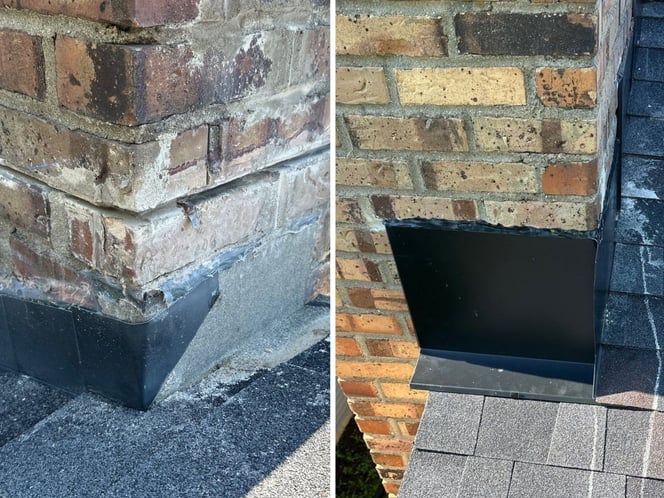
- Surface-mounted flashing installation: In areas like chimneys or walls, some contractors simply attach flashing against the surface and seal the edge. While this may work temporarily, water can eventually work behind the flashing as materials expand, contract, and age. The correct installation method is to integrate the flashing into the structure itself, such as cutting counter flashing into chimney mortar joints or layering wall flashing behind siding so water is directed out and over the roofing system.
- Poor integration with roofing materials: Flashing should properly overlap with shingles, underlayment, and waterproofing barriers so water naturally flows down and away from the roof instead of finding its way underneath the roofing system.
Below is an example of how we cut in chimney flashing directly into the mortar joints and then seal to create durable protection against water:
What Should Homeowners Do Before Choosing a Roofing Contractor?
If you’re planning a roof replacement, understanding how a contractor handles flashing and other components of the installation can help you avoid costly water intrusion issues later on.
The good news is that homeowners do not need to become roofing experts to protect themselves. Asking the right questions during the estimate process can go a long way toward helping you identify contractors who prioritize proper installation methods and long-term roof performance.
A helpful next resource is our article, Questions Homeowners Should Ask Before Hiring a Roofing Company, which walks through important topics homeowners should discuss when comparing roofing contractors, including workmanship standards, warranties, installation methods, communication, and project expectations.
If you’d like a more personalized assessment of your own roof, flashing system, or upcoming roof replacement project, we offer no-commitment roof consultations to give you clarity into your situation. We’ll evaluate the condition of your roofing system, explain what we’re seeing, and help you understand the options available so you can make the decision that feels right for your home, without the obligation to move forward with us.