Are Heated Roof Cables Worth Installing to Prevent Ice Dams?
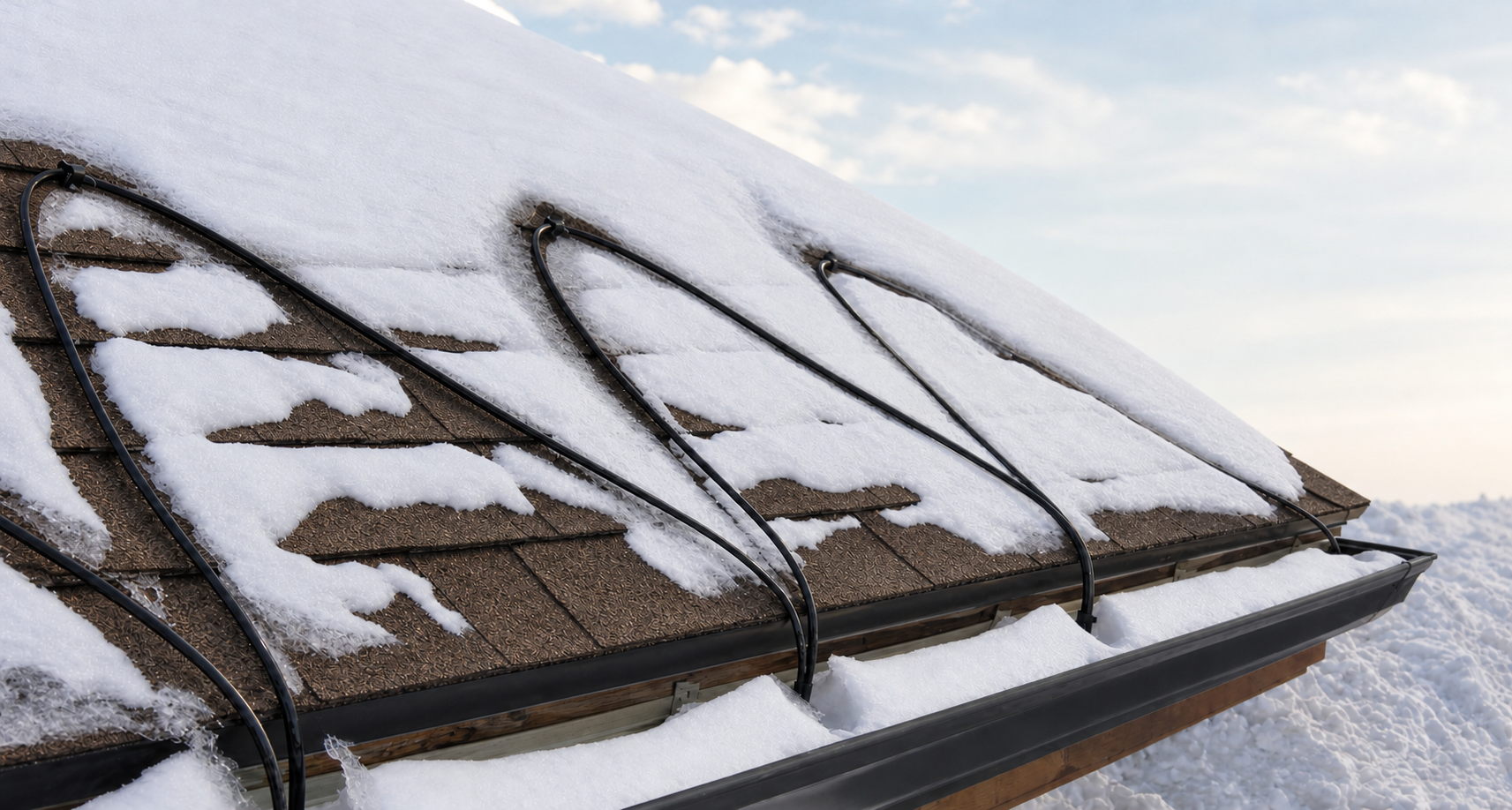
If you've dealt with ice dams along your roof's edges, you've probably wondered whether there's a way to stop them from forming in the first place.
One option you may have come across is heated roof cables. These cables are installed along certain sections of your roof and use electricity to help keep melting snow and ice from blocking drainage paths.
But before spending money on them, it's worth understanding what they can actually accomplish. Heated roof cables can be useful in certain situations, but they don’t always address the underlying conditions that cause ice dams to form.
At Happy Roofing, we've worked with hundreds of homeowners throughout the greater Naperville area, where freezing temperatures and repeated winter thawing can create problems along roof edges, gutters, and even the foundation of homes.
In this article, we'll explain how heated roof cables work, when they're worth considering, and when another solution may make more sense for your home.
Key Takeaways
-
Heated roof cables help prevent ice dams by creating drainage paths for melting snow and ice, but they don't eliminate the underlying conditions that cause ice dams to form.
-
Professional installation typically costs around $1,000 to $2,000, while DIY kits range from $150 to $500. Operating costs can add another $40 to $200 per month during winter.
-
Improperly installed heated roof cables can damage shingles or create electrical safety concerns, so choosing the right cables and following proper installation methods is important.
-
Improving attic insulation, air sealing, or ventilation may be a better long-term solution when heat escaping from your home is contributing to recurring ice dams.
-
Heated roof cables are most worthwhile for specific areas where ice repeatedly accumulates, especially when roof design or other conditions make ice buildup difficult to prevent through other improvements.
Table of Contents
- Do Heated Roof Cables Actually Prevent Ice Dams?
- How Much Do Heated Roof Cables Cost to Install and Operate?
- Can Heated Roof Cables Damage Your Shingles or Roof?
- Are Heated Roof Cables Better Than Fixing Attic Insulation or Ventilation?
- When Are Heated Roof Cables Worth Installing?
- Should You Install Heated Roof Cables on Your Roof?
How Do Heated Roof Cables Work?
Heated roof cables use electricity to warm specific areas of your roof, helping create channels where melting snow and ice can drain instead of refreezing at the edges of the roof and risking a blockage.
Also called roof heat cables or roof de-icing cables, these systems are commonly installed in a zigzag pattern along problem areas, like the cold lower edges of a roof, where ice dams are most likely to form.
When the cables are operating, they generate heat that melts nearby snow and ice. This allows the melted snow water coming down the roof to reach the gutters or drain off the roof rather than collecting behind a ridge (or dam) of building ice.
It's important to understand that heated roof cables don't warm your entire roof or prevent snow from accumulating on it. They only affect the areas immediately around the cables, so their placement matters.
Do Heated Roof Cables Actually Prevent Ice Dams?
Heated roof cables can help reduce ice dam problems by maintaining drainage paths through ice-prone areas, but they don't guarantee that ice dams won't form elsewhere on your roof.
To understand why, it helps to look at how ice dams develop.
During freezing weather, snow may begin melting on a warmer section of your roof. As that water travels downward, it can reach the colder roof edge and refreeze. Over time, the ice can build into a ridge that prevents additional meltwater from draining properly.
Heated cables are designed to interrupt that process by keeping narrow channels open through areas where ice would otherwise accumulate. If your home regularly develops ice along a particular roof edge, properly installed cables may help water drain through that area instead of collecting behind a wall of ice.
The photo below shows how these heated cables are meant to melt the surrounding snow, allowing water to drain freely:
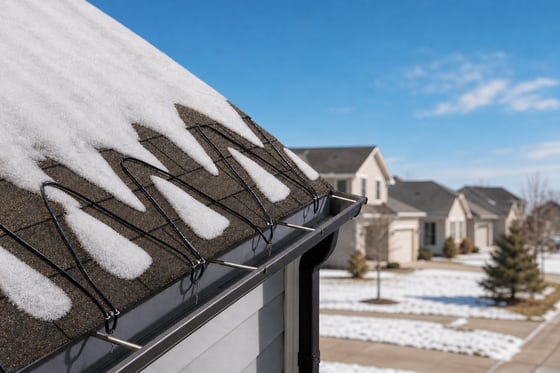
However, the cables don't necessarily stop the rest of the roof from producing meltwater, and ice can still form in other unheated sections if water is allowed to build up and refreeze. The effectiveness of heated cables depends on several factors, including placement, roof design, weather conditions, and whether the system is operating when needed.
In other words, heated roof cables are a method of managing ice buildup in specific areas rather than completely eliminating the conditions that cause ice dams in the first place.
How Much Do Heated Roof Cables Cost to Install and Operate?
The cost of heated roof cables depends on how much cable your roof needs, how difficult it is to install, the type of system selected, and how often it runs during winter.
There are two main expenses to consider: the initial installation and the electricity required to operate the system.
Installation Costs
As a general starting point, homeowners can expect to spend roughly $1,000 to $2,000 for a professionally installed heated roof cable system, although larger or more complicated installations can cost considerably more.
A smaller installation along one problem area will generally cost less than a system covering several roof edges. The price can also increase when the work involves steep or high roof sections, electrical improvements, or automatic controls.
Some systems use self-regulating cables that adjust their heat output in response to temperature conditions. Others use constant-wattage cables that produce a more consistent amount of heat when powered.
Because these systems vary considerably, homeowners should compare quotes based on the cable type, total length, electrical requirements, and installation scope rather than price alone.
Operating Costs
Heated roof cables typically cost around $40 to $200 per month to operate during winter, depending on the size of the system, how often it runs, and your electricity rate.
For example, a smaller system running for several hours a day might add around $40 to your monthly electric bill, while a larger system running continuously could cost $200 or more.
The type of system also makes a difference. Basic cables draw electricity whenever they're switched on, while self-regulating cables adjust their heat output based on temperature. Systems with automatic sensors can further reduce costs by operating only when conditions call for it.
Before installing heated roof cables, ask about their expected electricity usage so you can factor the ongoing expense into your decision.
Can You Install Heated Roof Cables Yourself?
Some heated roof cables are available in DIY kits that homeowners can install themselves, often for around $150 to $500, making them a cheaper alternative to professional installation.
These kits typically include preassembled heating cables and mounting clips designed for use along roof edges and gutters. However, not every kit is compatible with every roofing material or roof design.
If you're considering a DIY installation, make sure the cables are specifically rated for roof and gutter use, follow the manufacturer's instructions for placement and attachment, and confirm that your outdoor electrical outlet has the required GFCI protection. Never use nails or screws to attach cables directly through your shingles.
Keep in mind that installing cables requires working near the edge of your roof, which can be dangerous, especially in winter. If your roof is steep, difficult to access, or requires new electrical wiring, professional installation is the safer option.
Can Heated Roof Cables Damage Your Shingles or Roof?
Heated roof cables shouldn't damage a compatible roofing system when they're properly selected and installed according to the manufacturer's instructions, but incorrect installation can create problems.
Roof cables generally use mounting clips designed for the specific roofing material. Improper fasteners or installation methods can damage shingles, create openings for water, or affect the roof's ability to shed water.
If cables are installed incorrectly, they may not create effective drainage paths, leaving ice to accumulate in areas the system was intended to protect. Electrical safety is another consideration. Roof heat cables must be rated for their intended outdoor use and installed with the appropriate electrical protection and controls.
If you're considering heated cables, make sure the installer can explain how the system will be attached, where the meltwater will drain, and whether the cable is compatible with your roof.
Are Heated Roof Cables Better Than Fixing Attic Insulation or Ventilation?
Heated roof cables can help manage ice buildup, but improving attic insulation, air sealing, or ventilation is a better long-term approach when heat escaping from your home is contributing to the problem.
Ice dams often develop when portions of a snow-covered roof become warm enough to melt snow while the roof edges remain below freezing.
In some homes, that temperature difference is caused partly by heat escaping from the living space into the attic. Insufficient insulation, gaps around ceiling openings, or inadequate attic ventilation can contribute to warmer roof surfaces during winter.
Heated roof cables don't correct those conditions. They simply provide a heated path for some of the meltwater to drain.
Improving air sealing, insulation, or attic ventilation may help reduce the amount of snow melting from below, potentially addressing one of the reasons ice dams keep forming. However, that doesn't mean adding insulation or ventilation is automatically the right solution for every home.
Some ice-prone areas are related to roof design, drainage limitations, or weather conditions that aren't easily corrected through attic improvements. The best approach depends on what's actually causing the recurring ice buildup, and a professional inspection can help determine that root cause before deciding on any next steps.
When Are Heated Roof Cables Worth Installing?
Heated roof cables are most worth considering when your home has a recurring ice buildup problem in a specific area, and the cables can provide a practical drainage path that other improvements may not fully address.
These heated cables may be worth discussing with a roofing professional if:
- A particular roof edge develops thick ice during winter. Targeted cables may help reduce the amount of water trapped behind that buildup.
- Your roof has complicated sections where meltwater collects. Cables may help manage drainage in locations that are difficult to address through roof design changes alone.
- You've already addressed relevant attic problems but still experience recurring ice buildup due to environmental factors (like one side of the roof exposed to direct sunlight, rapidly melting snow). Heated cables may provide additional protection in problem areas that remain vulnerable.
Even when a home has appropriate insulation, air sealing, and ventilation, certain roof features can remain vulnerable to ice accumulation.
Roof valleys, complicated intersections, and areas where meltwater collects or drains slowly may benefit from targeted cable installation. In these situations, heated cables may serve as an additional way to manage drainage rather than a substitute for correcting an attic problem.
Heated roof cables may not be worth the investment if your roof only develops small amounts of ice occasionally, or if the underlying problem could be more effectively addressed by correcting attic heat loss.
Should You Install Heated Roof Cables on Your Roof?
Before installing heated roof cables, determine why ice is accumulating on your roof and whether cables will address that particular problem.
If your roof regularly develops ice dams, it's understandable to want a solution before another winter brings the same concerns. But heated roof cables aren't always the best answer.
For some homes, correcting attic insulation, air sealing, or ventilation problems may reduce the conditions that cause ice dams. For others, targeted heated cables may help keep water moving through roof areas where ice repeatedly accumulates.
If you're dealing with recurring ice dams or winter roof leaks, schedule a no-commitment roof consultation with our team. We can evaluate your entire roofing system, show you what we find, and help you understand which solutions may make the most sense for your home, whether you decide to partner with us or not.