How Often Should You Have Your Roof Inspected? Balancing Maintenance, Cost, and Peace of Mind
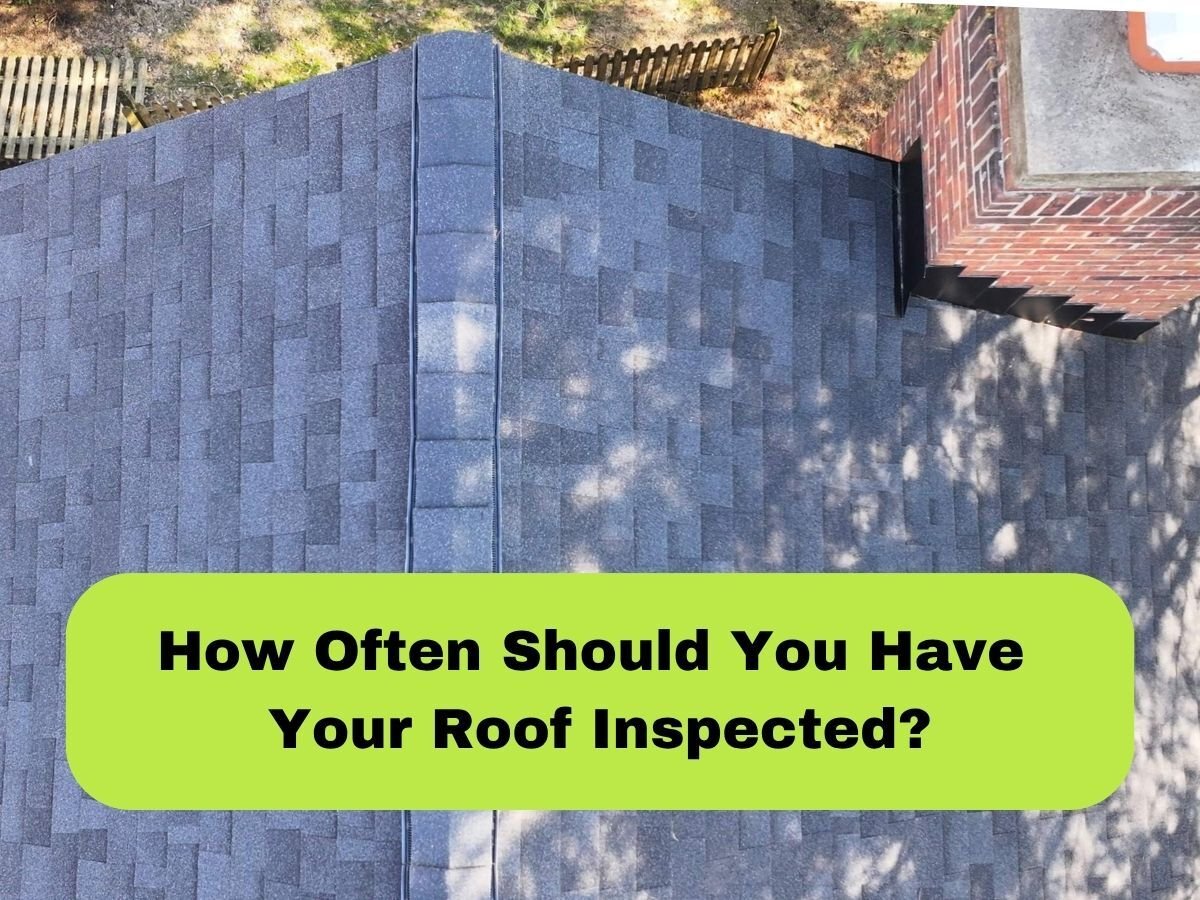
Whether you’ve recently replaced your roof or are trying to take care of the one you have, you may be wondering: How often should I have my roof inspected? It’s a good question to ask, but the answer isn’t always the same for every home.
At Happy Roofing, we've inspected hundreds of roofs throughout the greater Naperville area, and we’ve found that there isn't a universal timeline that works for every one of them. Factors like age, weather, installation quality, and surrounding trees all play a role in the health of your roof over time.
As a roofing contractor, we inspect, repair, and replace roofs, but our goal isn't to convince you that you should schedule a roof inspection every season. Our goal is to explain when roof inspections make sense and what factors you should consider before making a decision that fits your needs.
In this article, you'll learn:
- How often most roofs should be inspected
- What affects your roof inspection schedule
- Signs you may already need a roof inspection
By the end, you'll be able to confidently decide on an inspection schedule that makes sense for you and how to keep your roof in the best possible condition for years to come.
Key Takeaways
- Most asphalt shingle roofs should be professionally inspected every 2 years, as well as after severe storms involving hail, high winds, or fallen debris, but this isn't a hard rule as long as you're monitoring your roof.
- Routine maintenance and visual checks can help catch problems early, especially if you don't schedule regular professional inspections.
- Your ideal inspection schedule depends on many factors, like your roof's age, recent weather, surrounding trees, and any visible signs of damage.
- Signs like leaks, missing shingles, granule loss, sagging gutters, or storm damage are good reasons to have your roof inspected sooner rather than later.
- A quality roof inspection should give you a clear understanding of your roof's condition and help you make informed decisions, not pressure you into a replacement.
Table of Contents
- How Often You Should Have Your Roof Inspected
- Factors That Affect How Often Your Roof Should Be Inspected
- What to Do If You Think You're Due for an Inspection
How Often Should You Have Your Roof Inspected?
Most asphalt shingle roofs should be professionally inspected every one to two years, as well as after major storms that produce hail, high winds, or fallen debris. However, the right schedule for your home depends on several factors, including your roof's age, the weather it's been exposed to, and whether you've noticed any signs of damage.
Think of a roof inspection like a routine health checkup. Your roof may look perfectly fine from the ground, but a trained professional can often spot relatively minor issues before they become costly repairs. Catching a lifted shingle or deteriorated flashing early is usually much easier and less expensive than waiting until water has made its way into your home.
That said, not every homeowner follows that recommendation, and that's understandable. Many people don't schedule regular roof inspections unless they've experienced a major storm or noticed signs of a problem. In many cases, that's okay, as long as you're still paying attention to your roof throughout the year.
What if You Don't Get Your Roof Professionally Inspected Every Year?
If you don't have your roof professionally inspected every year or two, the best thing you can do is monitor it for signs of damage and stay on top of basic maintenance.
While a professional inspection can uncover issues that aren't visible from the ground, homeowners can often spot early warning signs before they turn into bigger problems. Taking a few minutes to check your roof after severe weather and keeping up with routine maintenance can go a long way toward protecting your investment.
Here are a few things you can do throughout the year:
- Check your gutters: Make sure they're free of leaves and debris so water can drain properly. If you have a lot of trees surrounding your home, gutter guards are a good option to help keep leaves and other debris from clogging your gutters and requiring frequent cleanup. To learn more about gutters and how to maintain them, read our article How Often Should I Clean My Gutters? - Gutter Maintenance 101.
- Look for signs of leaks: Water stains on ceilings, damp attic insulation, or musty odors can all point to a roofing issue.
- Scan your roof from the ground: After storms, look for missing shingles, sagging gutters, fallen branches, or hail damage.
- Trim overhanging branches: Keeping limbs away from your roof helps prevent damage from rubbing, falling debris, and excessive shade that can trap moisture.
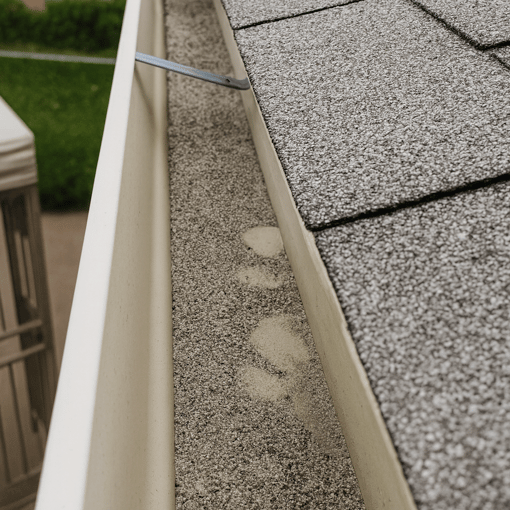
- Watch for shingle granule loss: If you notice an unusual amount of sand-like particles collecting in your gutters, it may be a sign your roof is aging and worth having inspected.
The photo below shows an example of what we'd consider a significant amount of shingle granule loss, where they're accumulating in large piles in the gutter and could even end up in downspouts:
What Affects How Often Your Roof Should Be Inspected?
While every one to two years is a good starting point for most asphalt shingle roofs, several factors can make more or less frequent inspections appropriate. Understanding these factors can help you create an inspection schedule that's tailored to your home rather than relying on a one-size-fits-all recommendation.
Does the Age of Your Roof Affect How Often It Should Be Inspected?
As your roof gets near the end of its lifespan (after 15-20 years for asphalt shingles), it becomes more important to monitor its condition.
A newer roof that's been properly installed typically requires less attention than one nearing the end of its expected lifespan. As roofing materials age, they're naturally exposed to years of sunlight, temperature changes, wind, rain, and snow, all of which contribute to normal wear and tear.
While an older roof doesn't automatically mean something is wrong, scheduling inspections more frequently, like every 6-12 months, can help identify aging components before they develop into larger problems if your roof is nearing the 20-year mark.
Should You Have Your Roof Inspected After a Severe Storm?
If your home has experienced quarter-sized hail or larger, high winds, or fallen tree limbs, it's a good idea to get your roof inspected.
Storm damage isn't always visible from the ground. High winds can loosen or lift shingles, and hail or flying debris can damage roofing components. In many cases, storm damage won’t cause immediate leaks but can shorten your roof's lifespan over time if any areas are exposed to water.
While not every storm warrants a professional inspection, you should consider scheduling one if:
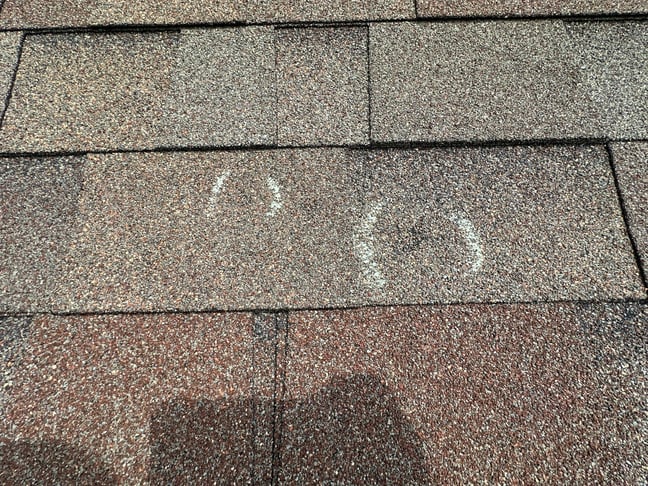
- Your area experienced large hail: Hailstones can damage asphalt shingles, and the effects aren't always easy to spot. If your area received quarter-size hail or larger, inspect your home for signs of damage. Dents in siding, window trim, and gutters can be a sign of strong impacts that could have caused shingle damage. If you’re ever unsure, calling a professional contractor can help you assess the extent of any damage.
- Strong winds passed through: Wind can lift or tear shingles from the roof. After strong winds, look around the perimeter of your house for any shingles on the ground. If you see any curling or lifted shingles, a professional inspection can help determine your options.
- Tree limbs or debris hit your roof: Even if the impact seems minor, it's worth having your roof checked. Cracked shingles or areas where protective granules have been knocked loose can leave your roof more vulnerable to water intrusion over time.
If your roof has been through a significant weather event, it's usually better to have it inspected sooner rather than waiting until your next routine maintenance check. Below is a photo of the damage caused by a hailstorm, which could be difficult to assess from the ground:
How Do Trees Affect Your Roof?
Large trees can increase the amount of maintenance your roof requires.
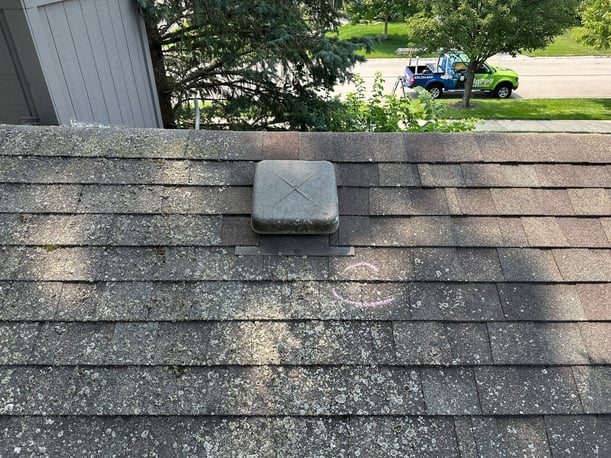
Overhanging branches can scrape shingles during windy conditions, drop leaves and twigs that trap moisture, and increase the risk of limbs falling during storms. The shade created by mature trees can also keep your roof damp for longer after rain, creating conditions where algae, moss, or lichen are more likely to grow.
Areas of the roof that are in constant shade are more prone to the growth of:
- Algae, which often appears as black streaks, is primarily a cosmetic issue.
- Moss can hold moisture against the shingles and, over time, may lift their edges or contribute to premature wear if it’s allowed to spread. Sometimes moss can grow under the shingles, opening gaps for water to intrude.
- Lichen growth can be difficult to manage because it bonds tightly to the shingle surface, making it harder to remove without causing damage.
If large trees surround your home, it's a good idea to perform visual roof inspections more often, keep branches trimmed away from the roof, clean your gutters regularly, and consider soft washing (a low-pressure cleaning method that removes algae, moss, and other organic growth without damaging your shingles) when needed.
Here is an example of excessive lichen growth on a roof we inspected last season:
Your Own Observations
Sometimes, the best indicator that your roof needs attention is simply noticing something unusual. Any visible change in your roof's condition is a good reason to have it evaluated by a professional.
Some signs you may need a roof inspection as soon as possible include:
- Water stains on your ceilings
- Missing, cracked, or curling shingles
- Shingle granules are collecting in your gutters
- Sagging gutters or visible roof damage
- Tree limbs or debris on your roof
- Daylight visible in your attic (if you have access)
- Leaks or musty odors in your attic
Not every one of these signs means you need a roof repair or replacement, but they do warrant an inspection to see what’s going on. Addressing potential issues early can help you avoid more extensive damage and give you a clearer understanding of your roof's overall condition.
What Should You Do If You Think Your Roof Needs a Professional Inspection?
If you think your roof may be due for a professional inspection, speak with a roofing contractor you’ve researched and trust. A reputable contractor will listen to your concerns and help you evaluate your roof's health, rather than immediately try to sell you on a new roof.
A quality roof inspection should give you a clear understanding of your roof's condition, identify any areas of concern, and help answer everything you need to know to make a well-informed decision about your next steps.
If you've noticed any of the warning signs discussed in this article, have an aging roof, or simply want peace of mind about your roof's condition, we offer no-obligation roof consultations. We'll assess your roof, go over your options, and give you honest recommendations without the obligation to move forward with us.