How to Prepare Your Gutters for an Illinois Winter
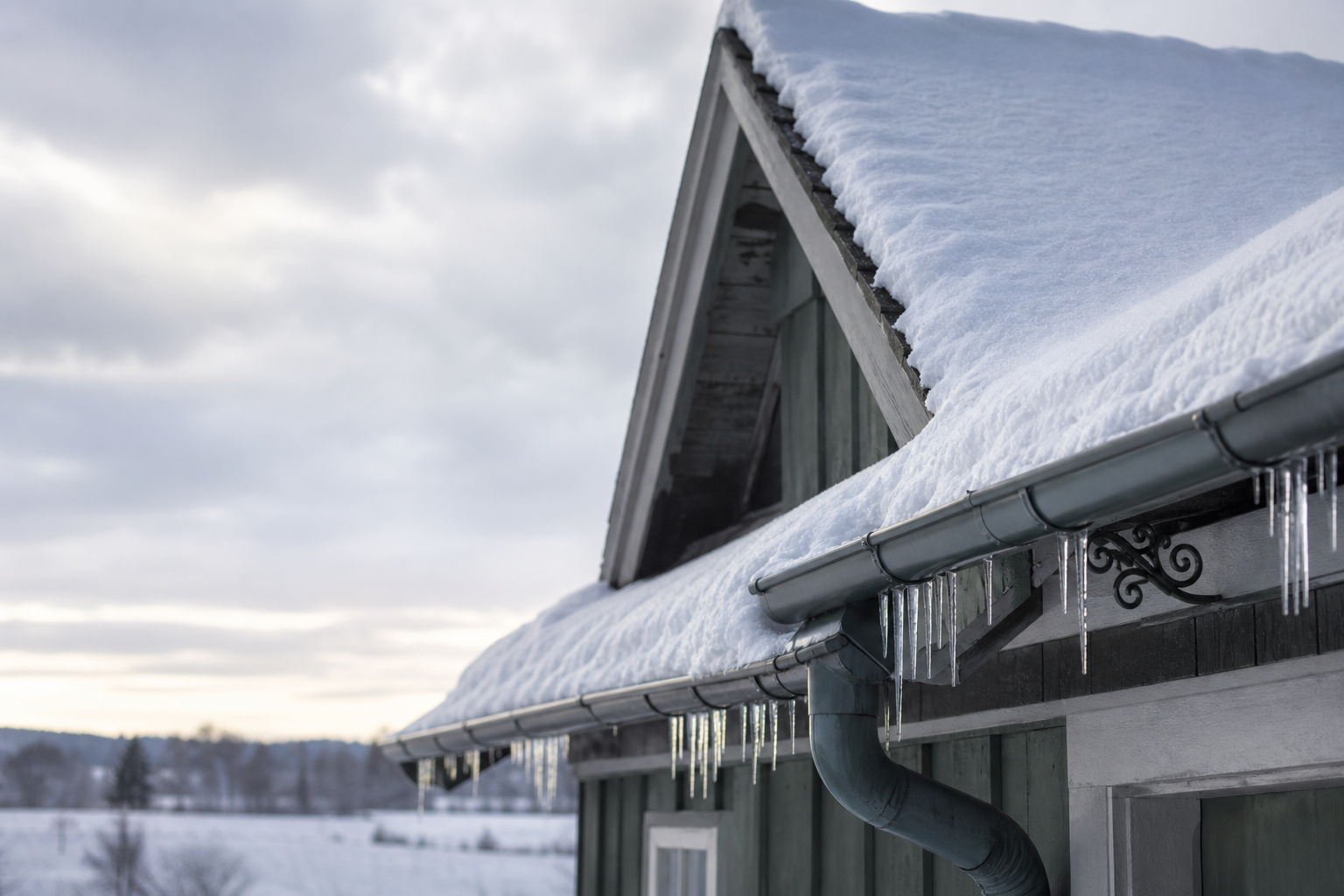
Your gutters may not be the first thing you think about when winter is approaching, but once temperatures start dropping below freezing, problems that were easy to ignore during the fall can become more difficult to deal with.
A gutter full of leaves is one obvious concern, but simply cleaning out debris doesn't necessarily mean your gutter system is ready for winter. Standing water, blocked downspouts, loose sections, and poor drainage can all be problematic once snow, ice, and freezing temperatures arrive.
At Happy Roofing, we’ve inspected, cleaned, repaired, and replaced gutter systems for homeowners throughout Naperville and the surrounding suburbs. Through that experience, we’ve seen the common problems that can become more troublesome once winter weather arrives and what can be done to address them before temperatures drop.
In this article, we’ll explain what you should do to prepare your gutters for winter, which problems are worth addressing before temperatures drop, and when you may want a professional to take a closer look at your gutter system and roof health.\
Key Takeaways
- Standing water and blocked downspouts can become bigger concerns once temperatures freeze: Trapped water can turn to ice, add weight, create blockages, and put additional stress on weak parts of the gutter system.
- Check where your downspouts send water: Rain and melting snow should drain away from the foundation rather than repeatedly collecting next to your home.
- Clogged gutters can contribute to ice buildup, but they aren't usually the root cause of ice dams: Heat escaping through the attic due to insulation or ventilation issues is often the cause of ice dams, but clogged gutters can amplify the issue.
- Not every gutter problem requires replacement: Cleaning debris, clearing a downspout, correcting the pitch, or repairing a loose section may be enough to get the system ready for winter.
Table of Contents
- Why Should You Prepare Your Gutters for Winter?
- How Should You Prepare Your Gutters for Winter?
- What Happens If Water Freezes in Your Gutters?
- Can You Prepare Your Gutters for Winter Yourself?
- What Gutter Problems Should Be Fixed Before Winter?
- What Should You Do If You Notice Gutter Problems Before Winter?
Why Should You Prepare Your Gutters for Winter?
Your gutters need to be able to collect water from your roof and move it away from your home throughout the winter, especially when accumulated snow and ice begin to melt.
During warmer months, a drainage problem might appear as water spilling over the sides of your gutters during heavy rain, or as standing water that remains in the system after a rainstorm.
Standing water on any part of your roof can lead to issues like premature material wear and leaks, but winter introduces the additional risk of that water freezing, expanding, and putting added stress on the roofing materials or gutter system around it.
Preparing your gutters for winter is about making sure water has a clear path off your roof and away from your home before freezing weather arrives.
How Should You Prepare Your Gutters for Winter?
Before winter, you should ensure that your gutters are clear of debris, draining properly, securely attached to the home, and directing water away from the foundation.
As you prepare your gutters for winter, focus on these key maintenance areas to make sure water can move through the system and away from your home:
1. Clear Leaves and Debris From the Gutters
Start by removing anything that could prevent water from moving freely through the gutter system.
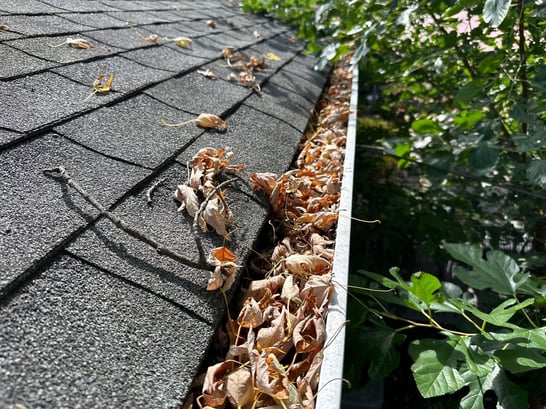
Leaves, pine needles, twigs, animal nests, and other debris commonly collect in gutters during the fall. Enough buildup can restrict the path water needs to take toward the downspouts.
For many homes in the Naperville area, fall is already an important time to clean the gutters because of the wooded neighborhoods we have and the falling leaves they bring. Cleaning that debris before the snow starts to fall can prevent it from clogging and interfering with drainage.
Below is an example of blockage that you'd want to clear before winter, as water would have a difficult time freely flowing through the gutters with all of that debris in the way:
If you want a deeper explanation of how often gutters should be cleaned in general, what gutter cleaning typically costs, and whether you can do it yourself, read our article How Often Should I Clean My Gutters? Gutter Maintenance 101.
2. Check for Standing Water in the Gutters
Water that consistently remains in your gutters after rainfall can be a sign that the system isn't draining the way it should.
Gutters are installed with a slight slope, or pitch, toward the downspouts so gravity can move water through the system. If a section has shifted, sagged, or wasn't pitched properly when it was installed, water may collect in a low spot even if the system is clear of debris.
A small amount of moisture left in the gutters after rainfall isn't really a problem. What you're looking for is a noticeable area where water repeatedly pools. Areas with standing water are important to find before winter because that water can freeze when temperatures drop, adding weight to the gutter and putting additional stress on the hangers and connections holding it in place.
3. Make Sure Your Downspouts Aren't Blocked
A clean gutter won't drain properly if any downspouts are clogged.
Downspouts carry the water collected by your gutters down the side of your home and discharge it near ground level, leading it away from the home’s foundation. Leaves and smaller debris from the gutters can make their way into the opening and create a partial or complete blockage.
If you want to test the drainage of your gutters and downspouts, watch how water moves through the system during rainfall or, if you can do so safely, use a hose to see whether water reaches the bottom of the downspout and exits freely away from the home.
Signs of a possible blockage include:
- Slow drainage: Water remains in the gutter longer than expected instead of quickly moving toward the downspout.
- Water backing up near the downspout: Water collects near the opening leading into the downspout, rather than flowing into it.
- Little or no water coming from the bottom: If water is entering the downspout but isn't coming out, or is very slow to drain, there may be debris trapped inside.
A blockage is much easier to address before trapped water has a chance to freeze. If you haven’t checked your gutters and downspouts recently, fall is a good time to make sure water is still moving freely through the entire system before winter weather arrives.
4. Check Where Your Downspouts Discharge
Your downspouts should move water away from the home rather than allowing it to collect directly next to the foundation.
Follow each downspout to where it ends and pay attention to where the water is being directed. Ideally, water should flow far enough away from the house that it doesn't collect against the foundation. If a downspout is pushing water right next to your home, rain and melting snow can repeatedly saturate the soil along the foundation, increasing the chance of water finding its way into the basement or causing drainage problems around the home.
You should also make sure the end of the downspout hasn't become buried in leaves or other fall debris that could prevent water from exiting. Depending on your property, a downspout extension or another drainage solution may help move that water farther from the foundation.
4. Look for Loose or Sagging Gutters
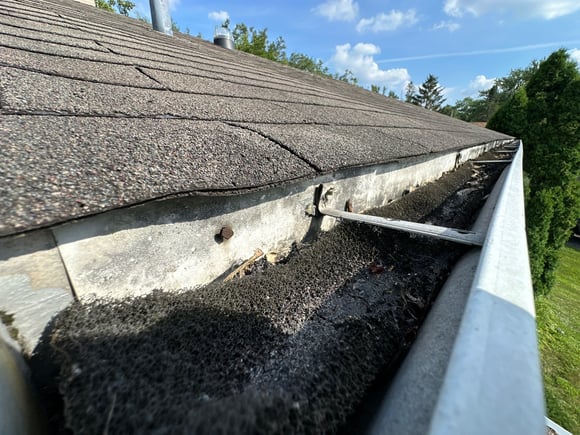
A gutter that's already pulling away from the home or sagging should be evaluated before additional winter weight is added to it. Gutters are attached to the fascia, the board running along the edge of the roof, using hangers or other fasteners.
If those connections loosen, you may notice:
- A section of gutter pulling away from the house
- A visible dip or low spot
- Gaps between the gutter and fascia
- Water consistently collecting in one section
- Water spilling over an area even though the gutter isn't clogged
Snow and ice can add additional weight to a gutter system during the winter. That doesn't mean every slightly uneven gutter is about to fall off your house, but an already loose or sagging section is worth addressing before harsher winter weather has a chance to expand the problem.
The photo here provides a closer look at how gutters are mounted to the fascia:
What Happens If Water Freezes in Your Gutters?
Water freezing inside a gutter can add weight to the system and prevent additional water from draining properly until temperatures rise enough for the ice to melt.
Water expands when it freezes, but the bigger practical concern for most gutter systems is the combination of trapped water, ice, snow, and existing weaknesses in the gutter.
Freezing water in your gutters can become a concern because it can:
- Add extra weight to the gutter system: Ice is heavy, and that added weight can put more stress on gutters that are already sagging, loose, or pulling away from the fascia.
- Create or worsen drainage blockages: Ice can block the path water normally takes through the gutter or downspout, making it harder for melting snow or additional precipitation to drain properly.
- Put additional stress on seams and connections: As trapped water freezes and expands, it can put pressure on already weak joints, seams, or damaged sections of the gutter.
- Lead to water backing up or spilling over: If ice prevents water from reaching the downspout, melting snow may collect in the gutter or spill over the sides instead of being carried away from the home.
Some ice around your gutters and roof edges is common during an Illinois winter, but repeated or significant ice buildup can be a sign that water isn’t draining properly.
Can Clogged Gutters Lead to Ice Dams?
Clogged gutters can contribute to ice buildup along the edge of your roof, but they are not typically the root cause of an ice dam.
Ice dams generally form when heat escaping through the roof causes snow to melt, and that water then refreezes as it reaches the colder edges of the roof. Over time, that frozen water at the edge of the roof can build up, forming a ‘dam’ of ice that traps even more water.
Clogged or poorly draining gutters can make the problem worse by giving that water fewer places to go, but the underlying issue often starts with heat escaping through the attic due to poor insulation or ventilation.
So while clean gutters are part of preparing your home for winter, they aren't a complete ice-dam prevention strategy. If you've had large amounts of ice repeatedly forming along your roof edge or gutters, read our How Do Ice Dams Cause Roof Damage? article for a closer look at why they form and what can be done about them.
Can You Prepare Your Gutters for Winter Yourself?
Many homeowners can handle basic gutter preparation themselves, but you shouldn't put yourself in an unsafe position just to avoid calling someone.
If your gutters are easily accessible and you're comfortable using a ladder, you may be able to:
- Remove leaves and loose debris
- Check whether downspouts are draining
- Look for obvious sagging or loose sections
- Check where each downspout discharges
- Watch how the system performs during rainfall
If you have a two-story home, difficult-to-reach gutters, a steep roof, or simply aren't comfortable working from a ladder, having someone else inspect and clean the system is the safer option. A professional evaluation also becomes more useful when you're no longer dealing with basic cleaning and instead need to determine why the gutter isn't draining properly.
What Gutter Problems Should Be Fixed Before Winter?
Problems that prevent your gutters from draining properly or indicate that part of the system is failing are generally worth addressing before winter weather arrives.
That could include:
- Persistent standing water: If the gutter doesn't drain after rainfall, its pitch or alignment may need to be corrected.
- Loose or sagging sections: Gutters pulling away from the fascia may need their hangers or other attachment points repaired.
- Blocked downspouts: A blockage should be cleared so water has an unobstructed path away from the roof.
- Leaking seams or connections: Water escaping through joints instead of reaching the downspout can indicate that part of the system needs repair.
- Damaged gutters: Cracks, holes, severe bending, or other physical damage can prevent the gutter from doing its job properly.
- Poor drainage around the home: If downspouts are consistently dumping water where it pools near the foundation, the discharge location may need to be addressed.
Noticing any of these problems won’t necessarily mean you need a gutter replacement. In many cases, cleaning, adjusting a section, clearing a downspout, or making a smaller repair may be enough to get the system functioning properly again.
What Should You Do If You Notice Gutter Problems Before Winter?
If you notice standing water, sagging gutters, blocked downspouts, or another issue while preparing your gutters for winter, the next step is to determine what’s causing the problem and whether it needs to be addressed before freezing weather arrives.
If you aren't sure whether your gutters are ready for winter, a professional can inspect the system and explain whether you're dealing with basic maintenance, a repairable drainage issue, or a larger problem.
If you'd like a professional evaluation of your gutters and roof, schedule a no-commitment roof consultation with our team. We'll assess the entire roof system, show you what we find, and walk you through your options whether you decide to work with us or not.