How Can You Tell If a Roofer Is Pressuring You Into a Sale?
If a roofer is asking you to sign a contract before you feel ready, it’s natural to wonder whether they’re helping you make a smart decision or pressuring you into a sale. Planning any roofing project can be stressful enough without having to figure out on the spot whether the contractor in front of you is being honest or just trying to close the deal.
At Happy Roofing, we’ve completed hundreds of roof replacements for homeowners across the greater Naperville area. Along the way, we’ve seen some roofing contractors use high-pressure tactics designed to rush homeowners into making decisions before they feel fully comfortable or informed.
To be clear, not every roofer who creates urgency is doing something wrong, and some roofing situations really are time-sensitive. However, there’s a big difference between explaining urgency and using pressure to get your signature.
In this article, you’ll learn:
- What high-pressure roofing sales tactics can look like
- How to tell the difference between real urgency and sales pressure
- What questions to ask before choosing a roofing contractor
By the end, you’ll have a better understanding of the most common roofing sales pressure tactics, how to recognize them early, and how to stay confident and in control throughout your roofing project.
Key Takeaways
- High-pressure roofing sales tactics often involve rushing homeowners into same-day decisions before they fully understand the project details.
- Reputable roofing contractors educate homeowners with clear explanations, documentation, and time to think through their options.
- Genuine roofing urgency should be backed by evidence like photos, inspection findings, or visible damage, not fear-based pressure tactics.
- Homeowners should carefully review quotes, warranties, and scope of work before signing any roofing contract.
- An honest roofing process should leave you feeling informed, comfortable, and confident in your decision instead of pressured or confused.
Table of Contents
- What Roofing Sales Pressure Tactics Often Look Like
- How to Tell the Difference Between Legitimate Urgency and Sales Pressure
- Protecting Yourself From Sales Tactics
- What to Look for in an Honest Roofing Quote
What Do High-Pressure Roofing Sales Tactics Look Like?
High-pressure roofing sales tactics usually look like a contractor trying to rush you into a same-day decision, before you have the information to make a comfortable choice on your own.
In many cases, the pressure is subtle. A roofer may sound helpful or confident on the surface while still creating unnecessary urgency or making you feel like delaying your decision is a mistake.
Here are some of the most common examples of pressure tactics homeowners run into during the roofing process:
- Pushing for a same-day signature: Some contractors will insist you need to sign immediately to lock in pricing, reserve materials, or avoid “missing your opportunity.” While pricing and scheduling can change over time, reputable roofers should still give you reasonable space to think through a major purchase.
- Making you feel guilty for getting other quotes: A trustworthy contractor should expect you to compare options. If a roofer becomes defensive or frustrated because you request time to review additional estimates, that can be a red flag. You’re in control of this timeline and shouldn’t be rushed into making a decision.
- Using fear to create urgency: Statements like “your roof could collapse,” “insurance will deny everything if you wait over a week,” or “this damage is catastrophic” can be exaggerated to create panic and speed up the sale. While some roof issues like large, active leaks can require urgent attention, your contractor should be able to back up why this urgency matters. If they can’t give you honest answers or proof, it’s best to take some time and think about the decision.
- Avoiding direct answers to your questions: If a contractor keeps redirecting the conversation instead of clearly answering questions about pricing, materials, warranties, or any other part of the process, it can make it harder for you to make an informed decision. You should have all of the information necessary to make a confident decision, so it’s important to look for a contractor who educates you and makes you feel comfortable asking questions throughout the process.
- Asking you to sign incomplete paperwork: You should never feel pressured to sign documents you don’t fully understand, especially if pricing, scope of work, or terms are vague or missing altogether from your quote. If something feels incomplete or you don’t have all of the information, don’t feel pressured into signing right away. For example, if your contractor claims they have a warranty but isn’t able to provide clear paperwork outlining terms and limitations, that’s a sign you may not have the full picture yet.
- Telling you “insurance is paying for it anyway”: Even with insurance involvement, homeowners are still responsible for understanding what work is being performed, what their policy covers, and what costs they may still owe (like insurance deductibles). If your contractor tries to convince you to blindly sign a contract without clearly laying out the potential out-of-pocket costs, it could set unrealistic expectations and cause problems later in the process.
The important thing to remember is that good roofing contractors educate homeowners. High-pressure contractors try to control the decision-making process. The good thing is that as the homeowner, you’re in control of who you work with, and until a contract is signed, you can step away from a contractor that’s triggering alarm bells.
How Can You Tell the Difference Between Genuine Urgency and Sales Pressure?
The difference between genuine roofing urgency and sales pressure usually comes down to whether the contractor is helping you understand the situation or trying to rush you into a decision.
The reality is that some roofing problems really are time-sensitive. Active leaks, exposed roof decking, severe storm damage, or structural concerns can all worsen if they’re ignored for too long. A good roofing contractor should explain those risks clearly and help you understand what could happen if repairs are delayed.
The key difference is that trustworthy roofers educate you about the urgency, while high-pressure contractors use urgency to create panic.
Here are a few ways to tell the difference between genuine urgency and pressure tactics:
| What a Trustworthy Roofer Does | What High-Pressure Sales Tactics Look Like |
|---|---|
| Explains why timing matters by showing photos, videos, inspection findings, or clear explanations of the damage. | Uses vague urgency without clearly showing proof of why immediate action is necessary. |
| Gives you space to think, even if repairs are urgent. | Pushes for a same-day decision or makes you feel like waiting is a mistake. |
| Answers questions calmly and clearly about pricing, insurance, materials, warranties, and timelines. | Avoids direct answers or becomes defensive when you ask questions. |
| Focuses on facts and education so you understand the situation. | Relies on fear and panic to speed up the sale. |
| Helps you understand your options and supports informed decision-making. | Uses ultimatums like “sign now or risk serious consequences.” |
Even with urgent concerns, you shouldn’t need to sign a contract on the same day. Urgency means you should search for a contractor to partner with right away, not work with the first contractor that tells you that you need to act immediately.
If a contractor can clearly explain the issue, provide documentation, and help you understand your options without pushing for an immediate commitment, that’s usually a much healthier sign than someone trying to rush the process forward.
What’s the Best Way to Protect Yourself Against Roofing Sales Pressure Tactics?
The best way to protect yourself from roofing pressure tactics is to ask questions that force contractors to clearly explain their process, pricing, and recommendations.
A trustworthy roofer should be comfortable answering these questions directly and giving you time to think through the answers before making a decision.
Here are a few important questions homeowners should ask before partnering with a roofing contractor:
- Can you show me exactly what damage you found? A reputable roofer should be able to provide photos, videos, or inspection findings that clearly explain the problem and why repairs or replacement are being recommended.
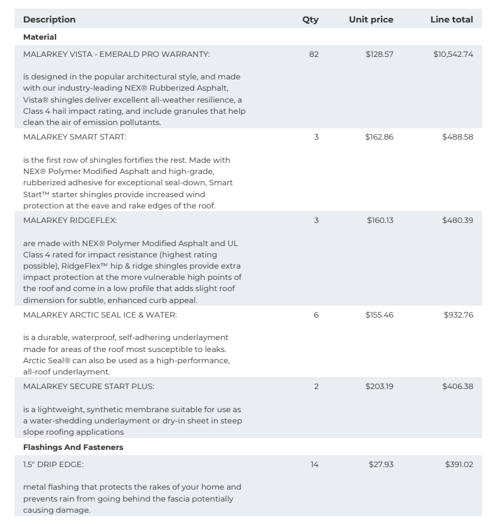
- What exactly is included in this quote? Ask for specifics about materials, labor, warranties, cleanup, permits, and any potential additional costs so there are fewer surprises later. A good quote is built with line items detailing every material and aspect of the project, so nothing is left to interpretation. This includes items like clean-up costs and factors that could cause price changes, like roof decking replacement (since the condition of the roof deck can’t be officially verified until shingles are removed).
- Why are you recommending repair vs. replacement? A trustworthy contractor should be able to explain why a certain solution makes the most sense for your roof instead of automatically pushing the most expensive option to benefit themselves.
- What happens if I wait a few days before deciding? This question can help you determine whether the urgency is legitimate or primarily sales-driven. A good roofer should explain the actual risks of waiting without trying to pressure you. If your contractor tells you that the quote is only good for a day or two, it’s a sign that they’re trying to pressure you.
- Can I review the warranty information before signing? You should be able to clearly see what warranties are included, what they cover, and what limitations may apply. Warranty information should be provided upfront and clearly explained before you’re made to sign any paperwork.
At the end of the day, a good roofing contractor should leave you feeling educated, comfortable with your decision, and confident that you understand exactly what you’re agreeing to if you partner with them. Below, we've included an example from one of our quotes, showing how everything from materials to scope is detailed using individual line items:
What Should You Look for in an Honest Roofing Quote?
An honest roofing quote should leave you feeling informed instead of pressured. A trustworthy roofing process should never leave you feeling rushed, confused, or unsure about what you’re agreeing to. You should feel like you understand the condition of your roof, why certain recommendations are being made, what your options are, and exactly what’s included in your estimate before signing anything.
If you’d like to see an example of what a transparent roofing estimate process looks like, we recommend reading our next article: How Happy Roofing Builds Honest Roofing Estimates.
In that article, we walk through how we approach inspections, estimates, communication, and homeowner education so you can use it as an example of what to expect out of an honest roof quoting process.
If you’d rather discuss your roof with someone directly, you can schedule a no-obligation roof consultation with our team. We’ll thoroughly inspect your roof, answer your questions honestly, and provide clear recommendations so you can make the best decision for your home at your own pace.