Should I File an Insurance Claim or Pay Out of Pocket for Roof Damage?
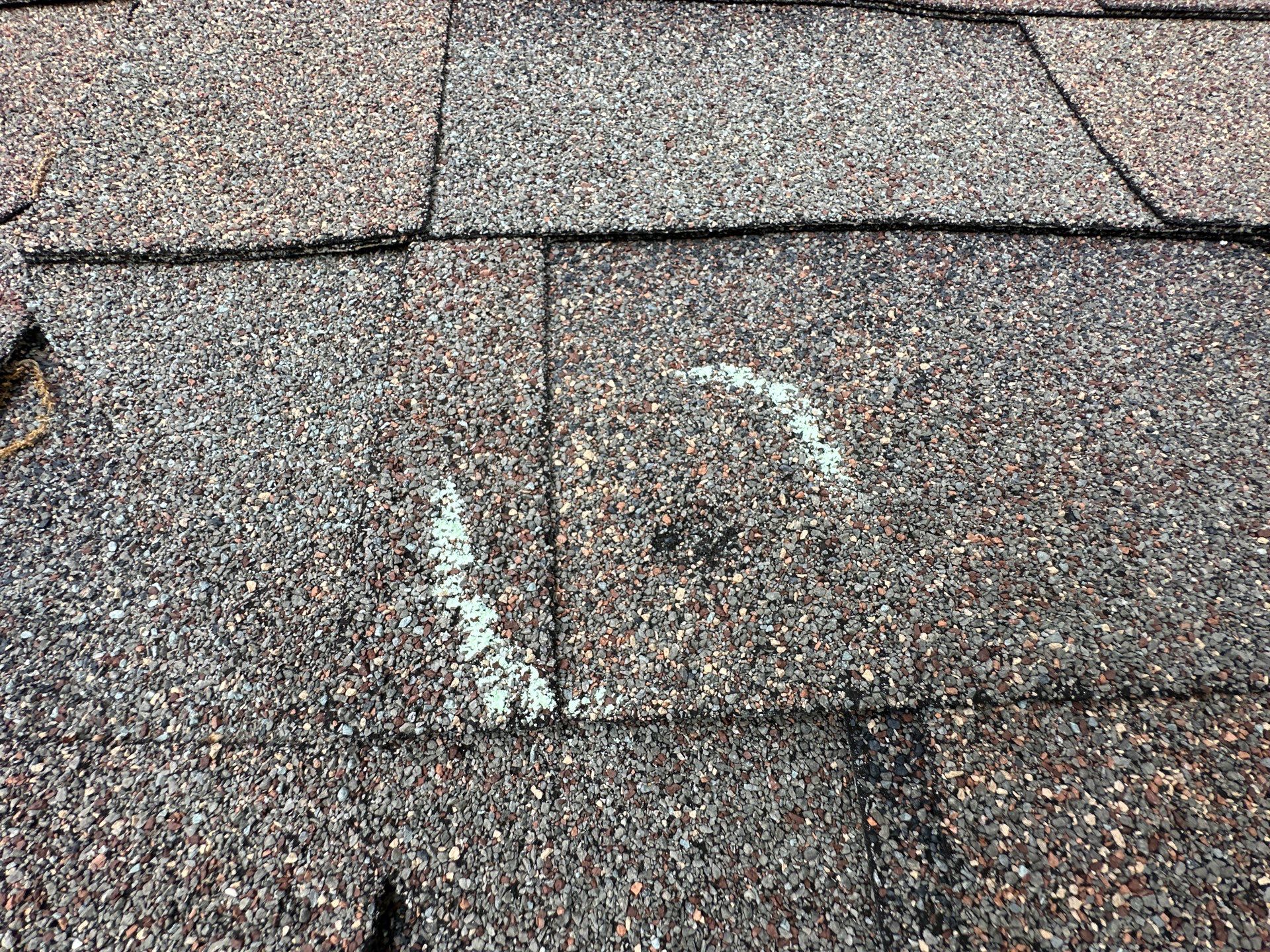
You've noticed damage to your roof after a storm, or maybe a roofing contractor has inspected your home and recommended repairs. Now you're left with a decision: Should you file a homeowners insurance claim or pay for the work out of pocket?
If the damage is relatively minor, you might wonder whether filing a claim is worth it, especially if you're concerned about the possibility of higher insurance premiums afterward. On the other hand, if the damage is extensive, paying out of pocket could mean spending thousands of dollars that your insurance policy might otherwise help cover.
At Happy Roofing, we've worked with hundreds of homeowners throughout the greater Naperville area, and we know that figuring out how to pay for roof damage can be just as confusing as understanding the damage itself. Between deductibles, coverage limitations, and the possibility of higher insurance premiums, the best choice isn't always obvious.
In this article, we'll explain when paying out of pocket may make more sense, when an insurance claim may be worth considering, and how to compare your potential costs before making a decision.
Key Takeaways
-
Paying out of pocket may make more sense for smaller roof repairs, especially when the cost is below your insurance deductible, the potential payout is minimal, or the damage isn't covered by your policy.
-
Filing an insurance claim may be worthwhile for significant, covered roof damage, particularly when the potential insurance payment would substantially reduce your repair or replacement costs.
-
An approved insurance claim doesn't necessarily mean you'll only pay your deductible. Your out-of-pocket costs also depend on whether your policy provides replacement cost or actual cash value coverage, along with any applicable limits or exclusions.
-
Filing a roof insurance claim could affect your future premiums or claims history, but an increase isn't guaranteed. Even denied claims may be recorded, so it's important to understand your coverage and reporting requirements before making a decision.
-
A roofing contractor can assess damage and provide repair estimates, but your insurance company determines coverage and payment. Roofing contractors themselves cannot negotiate or guarantee any insurance payouts on your behalf in Illinois.
Table of Contents
- Is It Better to File an Insurance Claim or Pay for Roof Damage Yourself?
- When Does It Make More Sense to Pay for Roof Damage Out of Pocket?
- When Is Filing a Roof Insurance Claim Worth Considering?
- Will My Homeowners Insurance Premium Go Up if I File a Roof Damage Claim?
- What if Your Roof Has Severe Damage That Needs Immediate Attention?
- Can Your Roofing Contractor Help You With an Insurance Claim?
- What Should You Find Out Before Deciding Whether to File a Roof Insurance Claim?
Is It Better to File an Insurance Claim or Pay for Roof Damage Yourself?
Whether you should file an insurance claim or pay out of pocket depends on the cost of the roof damage, what your policy covers, and whether the potential insurance payout outweighs your concerns about filing a claim.
As a general example:
- Paying out of pocket may make more sense when the cost of repairing your roof is relatively low compared to your insurance deductible (Your deductible is the amount you're responsible for paying toward a covered loss before your insurance company contributes, and it plays a major role in determining whether filing a claim makes financial sense).
- Filing a claim may be more beneficial when the damage is covered by your policy and the potential insurance payment would significantly reduce what you owe, like with a roof replacement.
However, the cost of the repairs is only part of the decision. You also need to consider what caused the damage, whether your insurance policy covers it, how much of the repair or replacement your insurer may pay for, and whether filing a claim could affect your future insurance costs.
A homeowner with a $2,500 deductible facing a $1,500 roof repair is in a very different situation from someone with the same deductible facing a more significant $15,000 in covered storm damage.
In the first situation, insurance generally wouldn't provide a payment because the repair cost is below the deductible. In the second, filing a claim could potentially save the homeowner thousands of dollars.
Understand what you would actually pay under each option, rather than assuming insurance is always the better choice whenever your roof is damaged.
When Does It Make More Sense to Pay for Roof Damage Out of Pocket?
Paying out of pocket often makes sense when the repairs cost less than your deductible, the potential insurance payment would be relatively small, or the damage isn't covered by your policy.
Homeowners insurance is generally intended to help with covered losses, such as damage caused by certain storms or unexpected events. It isn't designed to pay for every roofing problem that develops over time.
There are several situations where paying for repairs yourself may be more practical, and we'll highlight a few below.
The Repair Costs Less Than Your Insurance Deductible
If the cost of repairing the damage to your roof is below your applicable deductible, your insurance company generally won't pay anything toward that repair anyways.
For example, suppose a windstorm damages a small section of shingles, causing them to lift or fly off completely in an isolated area. After an inspection, a roofing contractor estimates the repair will cost $1,200 in total.
If your insurance deductible is $2,500, that repair cost ($1,200) falls entirely within the amount you're responsible for paying. So even if the damage would otherwise qualify for coverage, there would be no financial benefit to filing a claim for that particular repair because your insurance wouldn't cover any damage below that deductible amount.
The Potential Insurance Payment Is Relatively Small
Even when repair costs exceed your deductible, the amount insurance might contribute could be small enough that paying out of pocket is worth considering.
Suppose you have a $2,500 deductible and receive a $3,000 estimate for covered roof damage. Under a simplified claim scenario where the insurer approves the full $3,000 repairs, the full possible insurance payment would be only $500 after your deductible. You would be responsible for the remaining $2,500 out of pocket.
For some homeowners, receiving that $500 may be worth filing a claim. Others may prefer to cover the full repair cost themselves, particularly if they're concerned about how a claim could affect their insurance history.
There isn't a universal dollar amount that makes filing worthwhile for every homeowner. The decision depends on your finances, your policy, and the circumstances surrounding the damage.
The Damage Isn't Covered by Your Insurance Policy
If your roof needs repairs because of normal aging, gradual deterioration, or certain maintenance-related problems, homeowners insurance generally won't cover those costs.
A roof can need legitimate repairs without the damage being something your insurance company is responsible for covering. Deteriorated flashing, worn shingles, or a leak caused by long-term wear may require attention without qualifying as an insured loss.
The exact cause of a roofing issue isn't always obvious. Missing shingles, for instance, could be the result of a recent windstorm, or it could be caused by aged materials that have weakened or lost their durability over time. Those circumstances may be treated differently under your policy.
If you’re looking for an accurate assessment of what caused your roofing problem, scheduling an inspection can help identify the source of the damage and whether it may be worth talking to your insurance to resolve the issue.

When Is Filing a Roof Insurance Claim Worth Considering?
Filing an insurance claim is generally worth considering when your roof has substantial damage from a potentially covered event, and the expected insurance payment would meaningfully reduce your repair or replacement costs.
For example, severe wind or hail damage may affect a large portion of your roof and require more extensive work than a localized repair. If the damage is covered and the repair or replacement costs are significantly higher than your deductible, insurance may provide substantial financial assistance.
Imagine your roof sustains $18,000 in covered storm damage and your applicable deductible is $2,500.
If your insurer approves the full $18,000 under replacement cost coverage, your total responsibility for that covered work would be the $2,500 deductible, while insurance contributes the remaining $15,500.
That's a significant difference from paying the entire $18,000 yourself.
However, the fact that your roof has storm damage doesn't automatically mean your insurance company will approve the full cost of repairing or replacing it. Your insurer will evaluate the cause and extent of the damage, your policy's coverage terms, and any applicable exclusions or limitations.
It's also worth considering whether the storm damaged other parts of your property. If your roof, siding, gutters, or other covered areas were affected by the same event, the overall loss may be considerably larger than the roofing estimate alone.
Will Your Insurance Company Pay the Full Cost of Your Roof Repairs?
Your homeowners insurance won't always cover the full amount of the repairs needed. Even if your insurance claim is approved, the amount you receive depends on your policy's coverage terms, the insurer's assessment of the damage, and whether your roof is covered at replacement cost or actual cash value.
Replacement Cost Value vs. Actual Cash Value
Replacement cost coverage generally pays based on the cost to repair or replace covered damage without subtracting depreciation, while actual cash value coverage accounts for depreciation.
- Replacement Cost Value (RCV): Your insurance may help pay the full approved cost of repairing or replacing your damaged roof, minus your deductible. Your insurance company might pay part of the money upfront and send the rest after the work is completed.
- Actual Cash Value (ACV): Your insurance pays based on what your roof was worth at the time it was damaged, taking its age and wear into account. This usually means you'll receive less money and have to pay more out of pocket than a policy with RCV coverage.
Imagine an insurer approves $15,000 in roof damage and applies a $2,500 deductible. Under replacement cost value coverage, the total insurance contribution could be the full $12,500 once all applicable payment conditions are met.
But if an actual cash value policy accounts for $5,000 in depreciation due to the age of the roof, the insurance payment could be reduced to $7,500 after the deductible, leaving you responsible for $7,500 of the $15,000 project.
| Roof Replacement Cost Breakdown | Amount |
|---|---|
| Total roof replacement cost | $15,000 |
| Insurance pays toward replacement | $7,500 |
| You pay | $7,500 ($5,000 depreciation + $2,500 deductible) |
The exact amount depends on how your policy handles depreciation, deductibles, and the approved scope of work, and you shouldn't assume an approved claim means you'll only owe your deductible.
Other expenses, including upgrades, additional work outside the approved scope, or amounts exceeding applicable coverage limits, may also be your responsibility. For any coverage-specific questions, it’s best to speak with your insurance agent.
Will My Homeowners Insurance Premium Go Up if I File a Roof Damage Claim?
Filing a roof damage claim could impact your homeowners insurance premiums, but an increase isn't guaranteed. Whether your rates change depends on your insurance company, claims history, the type of damage, and applicable state regulations.
Insurance companies consider several factors when determining premiums, including previous claims and the frequency of severe weather in your area. Even if your rates increase after filing a claim, that doesn't necessarily mean your individual claim was the reason.
If the cost of repairing your roof is only slightly higher than your deductible, you may decide that paying out of pocket makes more sense than filing a claim that could affect your insurance history. That being said, the possibility of higher premiums shouldn't automatically discourage you from filing a claim, especially when you're facing substantial damage that your policy may cover.
It's also important to distinguish between reporting damage, asking a general coverage question, and formally opening a claim. How those interactions are recorded can vary, so it's reasonable to clarify the process with your insurance company or agent.
Does a Denied Roof Insurance Claim Still Count Against You?
A denied claim may still appear in your insurance claims history, although that doesn't automatically mean your premium will increase or your coverage will be affected.
This is one reason some homeowners prefer to understand the approximate cost and likely cause of roof damage before formally submitting a claim. However, avoiding a claim simply because you're worried about future premiums can also be a costly mistake if you have substantial damage that your policy would otherwise cover.
Before deciding, review your policy and deductible. If you contact your insurance agent, be clear about whether you're asking a general coverage question or reporting actual damage. Discussing a specific loss or damage could result in a claim or information being recorded, even if you don't ultimately receive a payment.
Keep in mind that your policy may also require you to report damage within a certain timeframe, so don't delay reporting a potentially covered loss without checking those requirements.
What if Your Roof Has Severe Damage That Needs Immediate Attention?
If your roof has severe damage from a fallen tree, major storm, or another emergency, protecting your home and everyone inside should come before deciding whether to file an insurance claim.
For example, a tree falling onto your roof could leave a large opening that allows rainwater into your home. Severe wind damage could expose the roof decking, while a partially collapsed roof could create a serious safety hazard.
In these situations, waiting to compare repair estimates and insurance deductibles could allow the damage to get worse.
If you're dealing with major roof damage, here's what you should prioritize:
- Make sure everyone is safe. Stay away from damaged areas, especially if there's structural damage, exposed wiring, or a risk of collapse. If a tree has brought down power lines or created an immediate danger, contact emergency services or your utility provider.
- Prevent additional damage when it's safe to do so. A roofing professional may be able to install an emergency tarp or provide temporary protection until permanent repairs can be completed.
- Document the damage. Take photos and videos from a safe location before cleanup or repairs begin, if possible.
- Contact your insurance company promptly. Serious storm damage may be covered under your policy, and your insurer can explain the reporting process and any requirements for emergency repairs.
- Keep records of emergency expenses. Save receipts and invoices for temporary repairs, tarping, or other steps taken to protect your home. Your homeowners insurance may reimburse some of these costs if the damage is covered under your policy.
You don't necessarily need to wait for an insurance adjuster before taking reasonable steps to prevent further damage. However, avoid making unnecessary permanent repairs or discarding damaged materials before documenting the loss and understanding your insurer's requirements.
The priority is making your home safe and preventing additional damage. Once the immediate situation is under control, you can work through the insurance claim and determine what permanent roofing repairs are needed.
Can Your Roofing Contractor Help You With an Insurance Claim?
A roofing contractor can provide information to support your insurance claim, but they don't serve the same role as an insurance adjuster.
A roofing contractor can document roof damage, explain what repairs are needed, and provide an estimate you can share with your insurance company. However, they cannot determine what your insurance policy covers, approve your claim, or guarantee how much your insurance company will pay.
An insurance adjuster evaluates the damage as part of the claims process, and the insurance company determines what your policy covers and how much it will pay.
If your roof has storm damage, a contractor can inspect the affected areas and identify issues such as missing shingles, damaged flashing, or other roofing materials that may need to be repaired or replaced.
Depending on the contractor and the services they offer, they may be able to:
- Provide photos and documentation showing the condition of your roof and the damage they found.
- Prepare a repair or replacement estimate outlining the work needed and its expected cost.
- Explain the recommended repairs, so you understand why certain materials or sections of the roof need attention.
- Answer roofing-related questions if your insurance company requests additional information about the damage or proposed work.
Your insurance company makes coverage decisions based on your policy and its assessment of the loss. A roofing contractor's estimate may also differ from the amount your insurer initially approves.
It's important to understand that your roofer's job is to assess the roofing system and explain the work needed to restore it. They shouldn't promise you a specific insurance payout or attempt to negotiate your insurance claim on your behalf unless they're properly licensed and authorized to do so. A good roofing contractor can help you understand the damage and the cost of fixing it, giving you useful information as you work through your insurance decision.
If you need help understanding your policy or disputing a claim decision, your insurance company, a qualified insurance professional, or a properly licensed public adjuster may be more appropriate, depending on the situation.
What Should You Find Out Before Deciding Whether to File a Roof Insurance Claim?
Before deciding, make sure you understand the cause and extent of your roof damage, the estimated cost to address it, and the insurance terms that could affect what you ultimately pay.
If the damage is minor and you have time to evaluate your options, gathering that information can help you avoid making a decision based on incomplete assumptions. Start by getting a professional assessment of your roof's condition. Ask the contractor to explain what was damaged, what may have caused it, and what work is necessary to correct the problem.
Then review your insurance policy or speak with your insurer or agent to understand your deductible, relevant coverage terms, and any reporting requirements.
If you're dealing with serious damage, active water intrusion, or an unsafe condition, don't delay protecting your property while you compare costs. Take reasonable steps to prevent additional damage, document what happened, and contact the appropriate professionals promptly.
You should also remember that a roofing contractor and an insurance company have different responsibilities. Your roofer can assess roofing damage and provide a repair or replacement estimate. Your insurer determines coverage and claim payments under your policy.
If you've discovered roof damage and aren't sure what repairs may be necessary, schedule a roof consultation with our team. We'll evaluate your roofing system, explain what we find, and help you understand the work involved so you have everything you need to decide what the best next step is for you.