What Factors Affect the Cost of Roof Repairs?
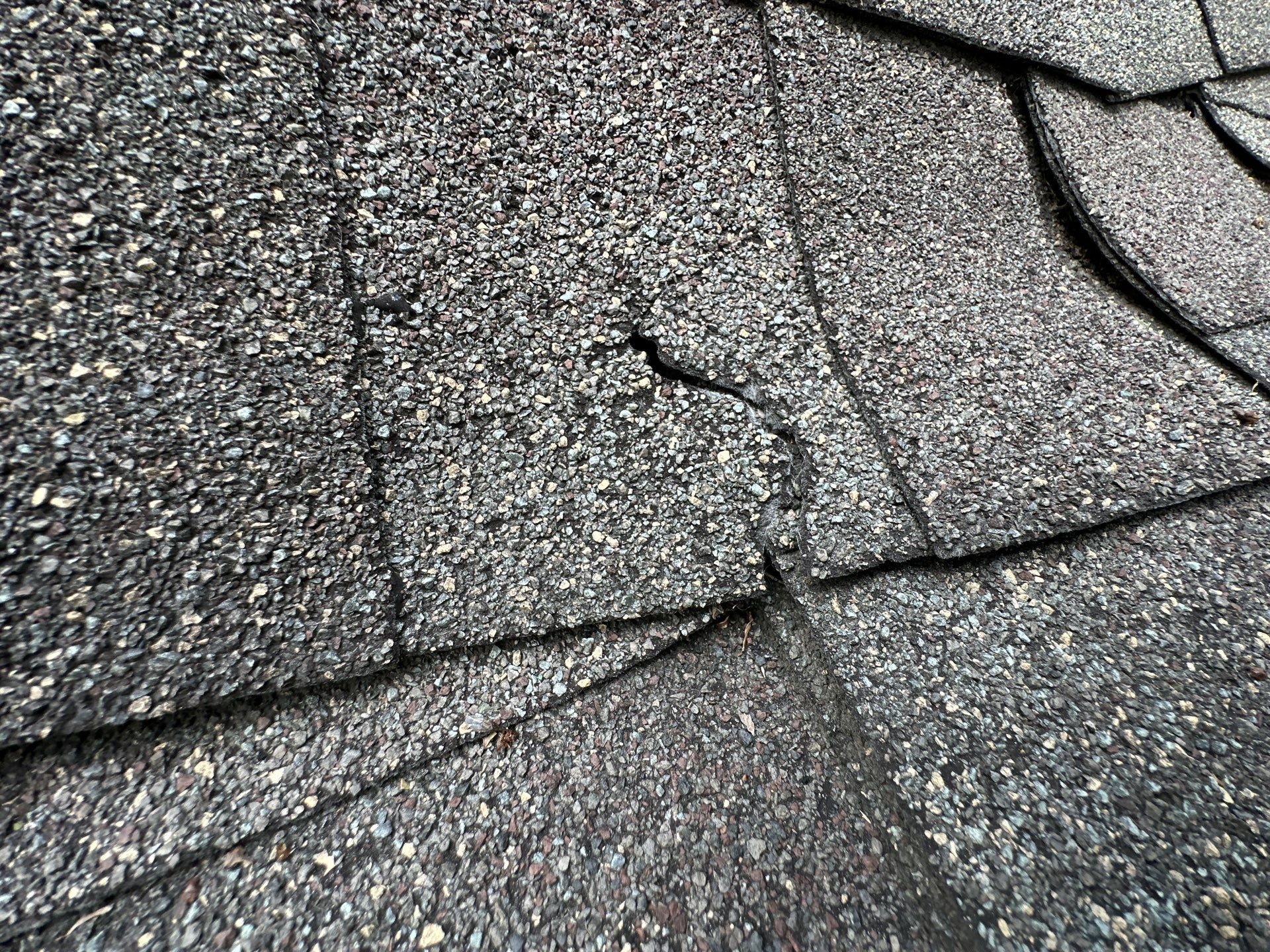
When you notice a problem with your roof, one of your first questions is probably how much it's going to cost to fix it. You might expect a few missing shingles or a small leak to be relatively inexpensive to repair. But roof repair pricing depends on more than the size of the damaged area.
At Happy Roofing, we've helped hundreds of homeowners throughout the greater Naperville area identify roofing problems, understand their repair options, and make informed decisions about their homes.
In this article, we'll explain the main factors that affect roof repair costs, why seemingly simple repairs can cost more than expected, and what to look for when comparing estimates from roofing contractors.
Key Takeaways
-
Roof repair costs depend on more than the size of the damaged area. The type and extent of damage, roofing materials, roof steepness, accessibility, and complexity of the repair all influence pricing.
-
Hidden damage beneath the shingles or problems around chimneys, flashing, and roof penetrations may require more extensive work than what's visible from the outside.
-
Identifying the underlying cause is essential to getting an accurate repair estimate. Simply replacing damaged shingles without addressing what's causing the problem can leave your roof vulnerable to future leaks.
-
Different roofing contractors may recommend different repairs and provide different prices. A higher estimate doesn't automatically mean better work, and a lower estimate doesn't necessarily mean corners are being cut.
-
The best way to determine whether a roof repair price is fair is to understand exactly what you're paying for. Ask contractors to explain the damage, proposed repairs, materials, and potential additional costs before agreeing to any work.
Table of Contents
- What Determines the Cost of a Roof Repair?
- Why Can a Small Roof Repair Be Surprisingly Expensive?
- Why Might Two Roofing Contractors Give You Different Repair Prices?
- How Can You Make Sure You're Paying a Fair Price for Roof Repairs?
What Determines the Cost of a Roof Repair?
The cost of a roof repair depends on the type and extent of damage, the roofing materials involved, how difficult the affected area is to access, and the amount of labor needed to complete the work properly.
It's important to understand that the visible damage isn't always the full extent of the problem.
For example, a small water stain on your ceiling might be caused by damaged flashing, deteriorated shingles, or water entering through another part of the roofing system. While all of these issues ultimately manifest as a leak noticed inside the home, the work required to correct the problem depends on how the water got through the roofing materials to begin with.
Below, we'll break down the factors that can impact the cost of a roof repair.
The Type and Extent of Roof Damage
The type of damage and how much of the roof is affected are among the biggest factors in determining repair costs.
Replacing a handful of damaged shingles is generally less involved than replacing multiple sections of deteriorated decking. The more materials that need to be removed, repaired, or replaced, the more labor and material costs can increase.
Simply replacing the affected shingles wouldn't address the underlying problem, leaving your roof vulnerable to future leaks. This is why a roofing contractor needs to accurately identify the source and extent of the damage before providing a reliable repair estimate. Without finding the root cause, any “repairs” will be little more than a temporary band-aid.
The Roofing Materials Being Repaired
The type of roofing material on your home can affect repair costs because different materials require different products and installation methods.
Asphalt shingles are common throughout Northern Illinois and are generally easier to repair than certain specialty roofing materials like slate, clay tile, or metal roofing, which may require specialized tools, materials, or installation techniques.
Even among asphalt shingle roofs, repair costs can vary.
For example, architectural shingles may have different material costs than basic three-tab shingles. Certain shingle colors or product lines may also be difficult to match if they've been discontinued since the original installation date.
If matching materials aren't readily available, your contractor may need to explore alternative products or explain how the repaired area could look different from the surrounding roof. The material itself isn't always the largest expense, but it can influence how complicated the repair becomes.
Your Roof's Steepness and Accessibility
Steeper roofs and areas that are difficult to access can increase repair costs because they often require additional safety equipment, preparation, and labor.
Roofers need to work safely while carrying tools, removing damaged materials, and installing replacements. Depending on the roof's pitch and height, additional fall protection or access equipment may be necessary.
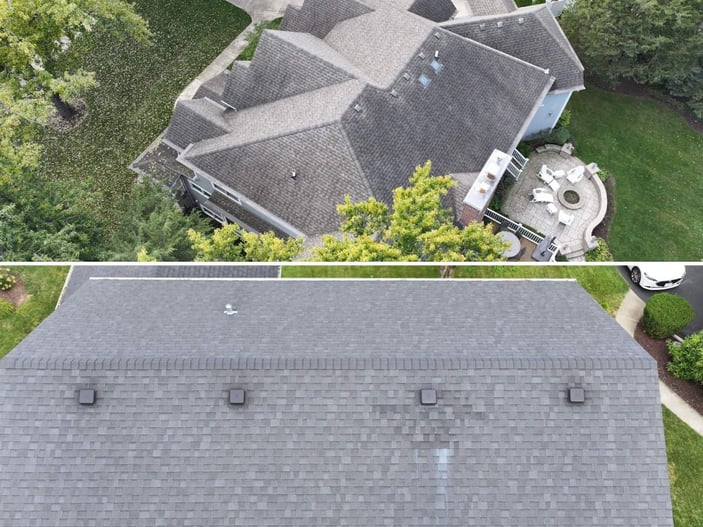
A damaged section near the edge of an easily accessible roof may be simpler to reach than an area above a second-story addition, behind a chimney, or near a complicated intersection between roof slopes. These conditions don't necessarily mean the repair itself is more complicated, but they can increase the time and resources needed to complete it safely.
Depending on the location of the repair, the roof on top of the image below may be harder to access than the roof pictured on the bottom becaue of their designs:
The Location and Complexity of the Repair
Roof repairs involving flashing, roof penetrations, or areas where multiple roof sections meet can cost more because they often require more detailed work to prevent future leaks.
Flat, open sections of asphalt shingles are generally more straightforward to work on than areas where the roof connects to another structure or changes direction.
Examples of potentially more complicated repair locations include:
- Chimneys: Damaged or improperly installed flashing around a chimney may require removing surrounding shingles and replacing sections of flashing.
- Roof valleys: Valleys collect and direct water from multiple roof slopes, making proper installation especially important.
- Skylights: Leaks around skylights may involve flashing, seals, or the skylight itself, depending on the source of the problem.
- Roof-to-wall connections: Areas where roofing meets siding or exterior walls require properly installed flashing to direct water away from vulnerable joints.
- Roof vents and pipe penetrations: Damaged boots or flashing around roof openings may need replacement to restore a watertight connection.
A repair in one of these areas may involve relatively little visible damage but still require substantial work to correct the underlying issue and prevent future issues in the same location.
Hidden Damage Beneath the Shingles
Damage to the roof decking or other materials beneath the shingles can increase repair costs because those problems may need to be corrected before the roofing materials can be replaced.
Your shingles are only one part of the roofing system. Beneath them are layers of underlayment and roof decking that help support the roof and protect your home from water intrusion. If water has been entering the roof for an extended period, the damage may extend beyond the area you can see.
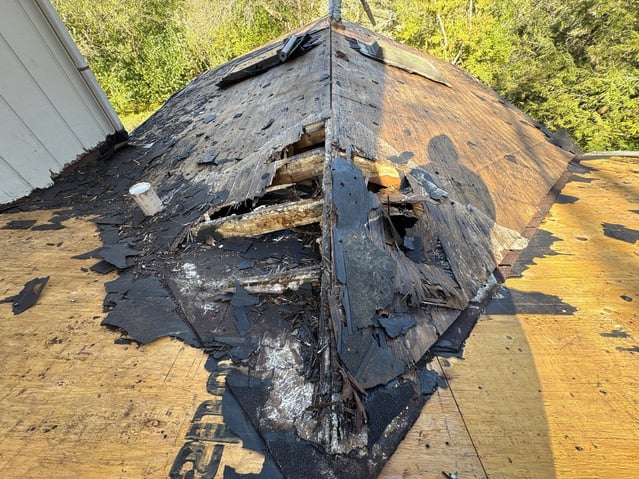
For example, a leak that appears to involve a few damaged shingles could also have caused the wood decking underneath to deteriorate. When that happens, replacing the shingles alone won't solve the entire problem. The affected materials will need to be removed so the damaged decking can be evaluated and replaced where necessary.
In certain situations, the full extent of the damage may not become clear until the contractor begins removing roofing materials. It’s important to ask how your contractor handles unexpected damage and whether additional work would require your approval before proceeding, so you’re not blindsided by a sudden cost increase.
Below, we've included an example of how poor ventilation and long-term exposure to moisture can lead to roof deck deterioration:
Why Can a Small Roof Repair Be Surprisingly Expensive?
A small roof repair can be expensive because the visible size of the problem doesn't always reflect the amount of work, equipment, or expertise needed to fix it properly.
Imagine two homeowners who each notice a small leak:
The first homeowner has a damaged pipe boot on an otherwise healthy roof. Once the source is confirmed, the contractor is able to replace the damaged component and surrounding materials without removing a large section of roofing.
The second homeowner has deteriorated chimney flashing that has allowed water to reach and rot the underlying roof decking. Correcting the issue requires removing a larger area of the surrounding shingles, replacing the damaged decking and flashing, then reinstalling the roofing materials to prevent further water intrusion.
Both homeowners might have seen a similar water stain inside their homes, but the repairs involve very different amounts of work. That's why it's difficult to judge whether a roof repair estimate is reasonable based only on a surface-level look at the concern, and a thorough inspection is a crucial first step.
Why Might Two Roofing Contractors Give You Different Repair Prices?
Two roofing contractors may provide different repair estimates because they identify different repair needs, recommend different approaches, or account for labor, materials, and project requirements differently.
For example, one contractor might recommend replacing a small section of damaged shingles, while another believes the surrounding underlayment or flashing also needs attention. Those differing recommendations can lead to significantly different prices, even though both contractors inspected the same roof.
Differences in estimates may also come from the materials being used, the amount of work included, or how the contractor plans to access and repair the affected area.
However, a higher estimate doesn't always mean the contractor is recommending a better repair, and a lower estimate doesn't necessarily mean they're cutting corners.
What Should You Look for When Comparing Roof Repair Estimates?
Rather than comparing only the final prices, ask each contractor to explain:
- What they believe is causing the problem.
- Which areas and materials need to be repaired or replaced.
- Whether there is any underlying damage.
- What materials will be used.
- Whether additional costs could arise if further damage is discovered.
If two contractors recommend substantially different work, ask them to show you photos or other evidence supporting their recommendations. Understanding what each estimate includes can help you make a more informed decision and avoid choosing a repair based on price alone.
How Can You Make Sure You're Paying a Fair Price for Roof Repairs?
The best way to evaluate a roof repair price is to understand what's causing the problem, what the proposed repair includes, and whether the work addresses the underlying issue rather than just the visible damage.
A reliable estimate should help you understand why the repair costs what it does, not leave you guessing about what you're paying for.
Before agreeing to any work, make sure you're comfortable with the contractor's explanation, the scope of the repair, and how unexpected problems will be handled. Working with a contractor you truly trust can make a stressful situation much easier to navigate, giving you confidence that the recommended repairs are necessary and your money is being well spent.
If you're dealing with roof damage and aren't sure what repairs are necessary, schedule a no-commitment roof consultation with our team. We'll inspect your roofing system, explain what we find, and walk you through your options so you can make an informed decision, whether you decide to partner with us or not.