What Would Cause a New Roof to Fail Within 10 Years?

When you invest thousands of dollars into a new roof, you likely expect it to last decades. But how can you be sure the roof you're paying for is actually built to last, before you've spent the money?
At Happy Roofing, we’ve inspected, repaired, and replaced hundreds of roofs across the greater Naperville area. We’ve seen plenty of roofs that were supposed to last between 20 - 30 years start leaking, cracking, or curling before reaching their first decade. While some homeowners may assume that this is normal, the truth is that many of these premature failures were avoidable.
Across the countless roof inspections we've done, we've come to learn that premature roof failure almost always comes down to a lack of proper prep, planning, and installation practices. If you're replacing a roof that failed early and your contractor doesn't take the time to assess why it failed, you'll likely be facing the same issues again.
You may not be able to judge a roof's quality or lifespan before installation begins, but understanding a few critical factors can greatly increase your odds of making a smart, long-lasting investment.
In this article, you'll learn:
- The most common mistakes roofers make that lead to early roof failure
- The underlying factors that homeowners rarely hear about, but greatly affect a roof's lifespan
- How to ensure your contractor values quality workmanship
Whether you're a homeowner planning for a roof replacement or just want to avoid wasting money on premature repairs, this article will show you what contributes to early roof failure so you can be prepared to make a well-informed decision when it comes time for your next roofing project.
Table of Contents
- How Long Do Asphalt Roofs Last?
- Why Do Some New Roofs Fail Before the 10-Year Mark?
- How to Avoid Early Roof Failure
How Long Should an Asphalt Shingle Roof Actually Last?
A properly installed asphalt shingle roof should last 20-30 years, depending on workmanship and material quality.
Since asphalt shingles are the most common roofing material used in our area, we'll be primarily focusing on those. Many of the factors that negatively impact the lifespan of a roof replacement can apply to any material, though.
What Affects a Roof's Lifespan?
A roof's longevity depends on the quality of the inspection, the thoroughness of the prep work, and installation practices. Even the best materials can fail early if the system supporting them isn't built to last.
Here's what can affect your roof's lifespan:
Accurate Assessment and Diagnosis
No two homes are alike, and that means no two roofs should be treated the same. A proper roof replacement begins with a detailed inspection to assess the current state of your attic ventilation, roof decking, and overall structural integrity.
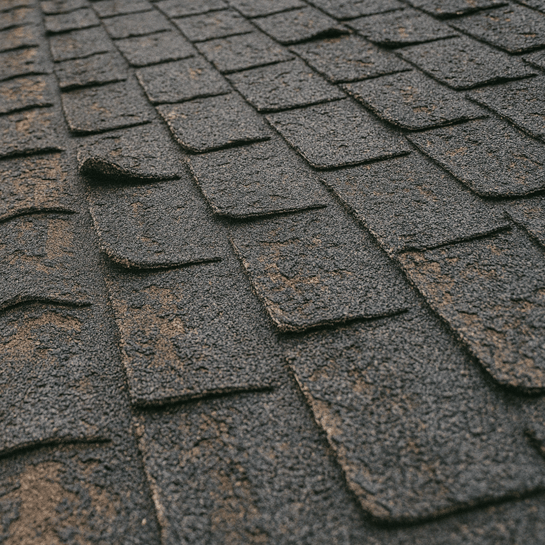
Skipping or rushing this step can lead to serious issues, like poor airflow, moisture buildup, or weakened roof decking (the plywood, Oriented Strand Board, or wood planks that serve as the foundation for your roof), which can go completely unnoticed. If these issues aren't addressed before the "new" roof is installed, the shingles could begin to curl (like in the photo below), lift, and crack, which could lead to leaks.
Installation Practices
Even the best roofing materials won't perform well if they're installed poorly. From how the underlayment is fastened (using cap nails instead of staples ensures that the underlayment is secured without tearing, preventing water intrusion) to how the shingles are nailed, every detail plays a role in how well your roof stands up over time.
Roofers who overlook steps (like checking ventilation and replacing damaged decking) or take shortcuts can void warranties and create weak points that lead to early shingle failure, water intrusion, and costly repairs.
Material integrity
A roof is more than the shingles we see from the ground; it's an integrated system of components (like underlayment, flashing, and roof decking) that all work together. But not every contractor treats it that way.
Some roofers reuse existing materials like flashing (the thin metal installed around roof edges, chimneys, and vents to direct water away from seams), even if those materials are outdated or incompatible with the new roofing system. This might save time or money up front, but it can lead to premature failure if those components break down or compromise the system's ability to shed water properly.
Why Do Some New Roofs Fail Before the 10-Year Mark?
The top reason roofs fail prematurely is poor installation, but that can include a variety of factors. Even the highest-quality materials can't compensate for shortcuts or sloppy workmanship during the installation process. When roofing work is rushed or poorly done, issues typically don't appear right away, but they often surface within just a few years (well before the roof should be failing).
Here are the biggest reasons we see roofs prematurely fail:
Poor Installation Workmanship
Poor installation techniques aren't something that homeowners can easily identify (unless your contractor really messed up). Instead, the issues that come from a bad roof replacement show up quietly over time in the form of leaks, curling or missing shingles, and premature granule loss (the protective, sand-like coating on asphalt shingles that helps shield them from UV damage and weathering). And by the time they do, repairs often require full replacement.
Here are the most common installation-related issues that lead to premature roof failure:
- Improper underlayment fastening: Many roofers will use staples to fasten underlayment because it's quicker and cheaper than the correct method of using cap nails. Staples can easily tear through the material, especially synthetic underlayment, reducing its water resistance. Cap nails are roofing fasteners with a large plastic or metal washer (the "cap") beneath the nail head, designed to hold underlayment securely without tearing it. The wide cap distributes pressure evenly, helping maintain water resistance and ensuring the underlayment stays in place under wind, rain, and movement. Most underlayment manufacturers require cap nails to maintain warranty coverage and proper performance, yet this detail is often overlooked.
- Misaligned shingles: Shingles that aren't aligned correctly not only look bad, but they also compromise the roof's ability to shed water. Misalignment can also leave nail heads exposed or cause shingles to lift prematurely, creating the risk of water intrusion.
- Incorrect nailing patterns or depth: Shingles have a nailing zone where a contractor is meant to drive the nails, ensuring a secure fit that keeps water from entering through any gaps. Nails placed too high, not using enough nails per shingle, or overdriven nails can all lead to shingles loosening or falling off over time. These errors are often invisible from the ground but cause significant failures under stress.
- Unsupervised or unskilled labor: Some contractors will hire the first subcontractors they can find with availability to work a specific job. While there's nothing wrong with subcontractors alone, it's important that anyone working on your roof is held accountable and is held to a consistent standard of craftsmanship. Without proper oversight, critical installation steps can be missed or rushed, leading to expensive consequences for homeowners just a few years down the road.
Poor Roof Ventilation
Ventilation is one of the most overlooked, but most critical, factors in a roof's performance and longevity. Your roof isn't just exposed to the outside elements; it's also affected by what's happening underneath, inside your attic. Without proper airflow, heat and moisture can build up under the shingles, causing damage to the roof from within.
Here's why that matters:
- In hot months, trapped heat can cause shingles to age prematurely, curl, or lose adhesion from the constant increased temperature.
- In cold weather, poor ventilation contributes to condensation, which can lead to mold, wood rot, or even structural damage if it's left unchecked for too long.
- You might notice uneven temperatures throughout your home, as your HVAC system works harder to compensate for trapped attic heat, which often results in higher energy bills.
We treat attic ventilation as a non-negotiable, and we check for proper airflow on every one of our roof inspections. Without proper ventilation, the new roof you just paid for may not last nearly as long as it should.
For more information on what poor ventilation can do to your roof and home, read our article: Why Poor Attic Ventilation Is One of the Most Expensive Roofing Mistakes Homeowners Make.
Reusing Materials That Should Have Been Replaced
As mentioned earlier, a roof is a complete system of components working together. Replacing the shingles alone while leaving behind aging materials can quietly set your new roof up for failure. Many of those components weren't designed to last another 20+ years, and when they're reused, they can undermine the integrity of the entire system.
Here are the most common roofing components we see reused:
- Flashing: Flashing (the thin metal used around chimneys, walls, vents, and roof valleys) must be carefully removed and replaced to ensure your home is protected from any leaks. Even if it looks intact, older flashing can be weakened, corroded, bent, or poorly sized for your new roofing system. Improper flashing work is one of the most common sources of chronic roof leaks.
- Roof decking: Some roofers will install new underlayment and shingles over existing roof decking, regardless of the condition. But slight warping, sagging, or soft spots can compromise the shingle installation and shorten the life of the roof. A solid, level surface is essential for proper shingle sealing and nail retention, or water could find its way into the home. On every installation, we re-nail any existing decking that's still in good shape using ring shank nails. Over time, standard smooth nails can loosen or back out, causing the decking to lift. Ring shank nails grip the wood more securely, helping ensure a solid, long-lasting foundation for the new roof.
How Can You Avoid Early Failures on Your Next Roofing Project?
The best way to avoid early roof failures is to work with a roofing company that inspects your entire roofing system and values thorough assessments to deliver long-lasting results. One that renails existing decking, replaces all flashing, uses cap nails where required, and recalculates ventilation needs instead of copying what was there before.
If a roof fails before it hits the 10-year mark, chances are it wasn't the materials that were the problem - it was the workmanship behind them. Poor installation, skipped prep, reused materials, and overlooked ventilation are all issues that can quietly shorten the life of your new roof.
If you're not sure what to ask your roofer to make sure these boxes are checked, we've put together a guide to help you have the right conversations, so you can hire with confidence and avoid costly do-overs: Questions Every Homeowner Should Ask Before Hiring a Roofing Company.
For a thorough evaluation of your roof's health, we offer no-commitment roof inspections. One of our roofing consultants will assess your roof and provide you with clear, actionable recommendations without any obligation to move forward.