Why Is My Roof Sagging? What It Means and What to Do Next
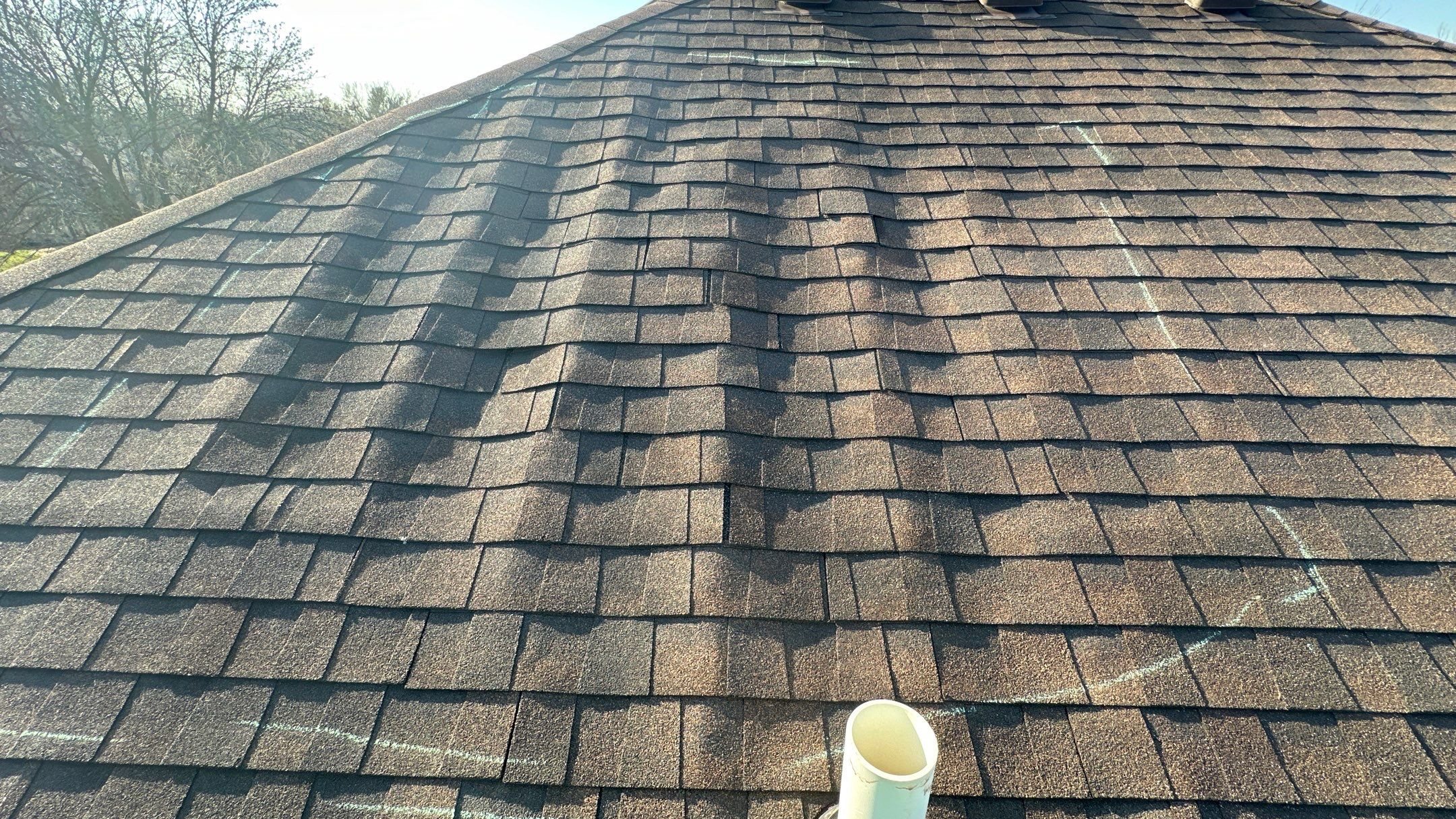
It won't surprise you if we tell you that a roofline should look straight and consistent, so noticing a dip, wave, or sunken area can be concerning. And unlike a missing shingle or clogged gutter, a sagging roof can be harder to understand because the problem may be coming from somewhere beneath the surface.
Sometimes, what looks like a sag is limited to damaged roof decking. In other cases, the framing that supports the roof may be weakened, improperly installed, or under more weight than it was designed to handle. The important thing is determining what has changed and how much of the roofing system is affected.
At Happy Roofing, we’ve repaired and replaced hundreds of roofs throughout the greater Naperville area, and we’ve seen how problems beneath the shingles can change the shape and performance of a roof.
In this article, we’ll explain:
- What a sagging roof can mean
- What causes parts of a roof to sag
- What should be done to correct a sagging roof
By the end, you’ll have a better understanding of why your roof may be sagging and what you should do next.
Key Takeaways
- A sagging roof is not considered normal. Visible dips, waves, or bowing can indicate that the roof decking or structural framing is no longer properly supporting the roofing system.
- The cause of the sag determines how serious it is. Damaged decking, weakened rafters or trusses, prolonged moisture exposure, heavy loads, and poor construction can all cause sagging and require different corrections.
- Sagging does not automatically mean your roof will collapse. However, a sag that appears suddenly, gets worse, or is accompanied by leaks, ceiling damage, or structural noises should be evaluated promptly.
- Finding the cause is key to properly correcting a sagging roof: Replacing damaged decking or reinforcing framing may address the visible sag, but if the underlying cause, such as a leak, poor ventilation, or structural issue, isn’t corrected, the problem can return or continue to worsen.
Table of Contents
- What a Sagging Roof Means
- What Causes a Roof to Sag
- How Can I Tell If My Roof Is Actually Sagging?
- Can a Sagging Roof Be Repaired?
- How Much Does It Cost to Fix a Sagging Roof?
- What Should You Do If Your Roof Is Sagging?
What Does It Mean When a Roof Is Sagging?
A distorted roof usually means that part of the roof decking or the structure supporting it is no longer level or properly supporting the roofing system.
Your shingles make up the visible surface of the roof, but they rely on several components underneath them for support. Roof decking creates the solid surface beneath the shingles, while rafters or trusses support the decking and transfer the weight of the roof down through the home.
When one of those components weakens, shifts, warps, or becomes overloaded, the roofline can begin to dip or curve.
The size and location of the distortion can provide some clues about where the problem may be:
- A small dip or isolated warping may point toward damaged or rotted roof decking.
- A larger section of roof that appears to bow could indicate a problem deeper within the supporting structure, like weakened or damaged rafters or trusses.
Is a Sagging Roof Dangerous?
A sagging roof can become a structural concern, so visible sagging should be inspected even if the roof does not appear to be in immediate danger of collapsing. The sooner you identify what’s causing the sag, the better chance you have of addressing the underlying problem before more of the roof is affected.
A sagging roof deserves more immediate attention if:
- The sag appeared suddenly: A roofline that changes noticeably after a storm, heavy snowfall, or another event should be evaluated promptly, because a sudden change can indicate that part of the roof’s decking or structural support has been damaged or shifted under the added stress.
- The area is getting worse: A dip that appears deeper or larger over time could indicate continued deterioration of the wooden decking or framework.
- There is active water intrusion: Roof leaks can continue weakening decking, rafters, and other wood components if the source is not corrected.
- Interior ceilings are sagging or cracking: Changes inside the home may indicate that the issue extends beyond the outer roofing materials.
- You hear unusual cracking or popping: New structural noises, particularly when paired with visible movement, should not be ignored.
If the roof appears severely deformed or you believe part of the structure may be unstable, avoid entering the attic or walking on the roof until it can be professionally evaluated.
What Causes a Roof to Sag?
Roof sagging is commonly caused by weakened decking, damaged structural framing, prolonged moisture exposure, excessive weight, or problems with how the roof was originally built or supported.
Because several layers work together to support your roof, finding the cause means looking beyond the shingles. Below, we’ll dive into some of the most common reasons a roofline can begin to dip or bow.
How Does Damaged Roof Decking Cause a Roof to Sag?
Roof decking can warp or sag when moisture, deterioration, or installation problems cause it to lose the strength needed to remain flat between the roof’s structural supports.
Roof decking, sometimes called sheathing, is the flat layer of plywood, Oriented Strand Board (OSB), or wood planks installed beneath your roofing materials.
The purpose of the roof deck is to create the surface that your underlayment and shingles attach to. When decking becomes weakened, rots, or warps, it may begin to bow or dip between the rafters or trusses supporting it. From outside the home, this can make certain areas of the roof look wavy or sunken.
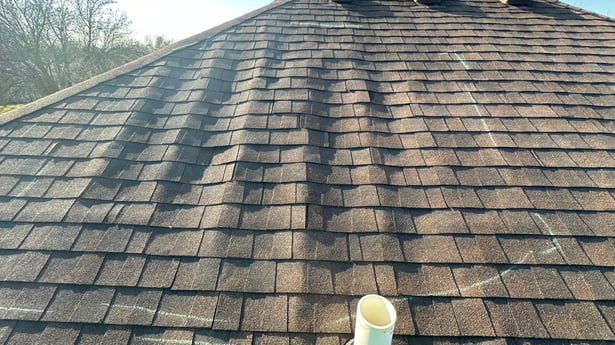
Below is an example of pretty obvious roof warping caused by worn decking:
Signs that damaged decking may be contributing to the sag include:
- Localized dips: One or several smaller areas appear lower than the surrounding roof instead of the entire roofline bowing.
- Uneven shingles: Shingles may appear wavy or may not sit flat because the surface beneath them is distorted.
- Signs of previous leaks: Water stains, damp insulation, or evidence of moisture in the attic can point toward deterioration below the shingles.
- Soft or weakened areas: Damaged decking can become soft as it deteriorates. Although homeowners should not walk the roof to test for soft spots themselves, it’s a sign roofers look for when inspecting the roofing system.
Moisture is one of the most common reasons roof decking begins to deteriorate. When a roof leak, attic condensation, or poor ventilation repeatedly exposes the decking to moisture, the wood can swell, warp, soften, and eventually rot, weakening its ability to properly support the roofing materials above it.
To understand more about what sits beneath your shingles and how damaged decking affects a roof replacement, read our article How Roof Decking Impacts Roof Replacement.
How Can Weakened Rafters or Trusses Cause a Roof to Sag?
If the rafters or trusses supporting the roof weaken, shift, or become damaged, a larger portion of the roofline can begin to bow or sag.
Decking provides the surface beneath your shingles, but rafters and trusses provide much of the structural support underneath that decking. Problems with these components can therefore affect more than one small section of the roof.
Depending on how the home was constructed, structural sagging may involve:
- Damaged rafters: Individual framing members can weaken from moisture, rot, damage, or excessive stress.
- Compromised trusses: Broken, altered, or damaged truss components can affect how loads are distributed across the roof.
- Loose or failing connections: Framing components rely on properly installed connections to transfer weight through the structure.
- Previous structural modifications: Cutting, removing, or altering framing during renovations can change the way the roof is supported.
Structural framing problems should not be corrected by simply trying to make the roof surface look flat again. The underlying support issue has to be identified first so the appropriate repair can be made.
In some situations, a roofing contractor can identify the problem. If the issue extends into the home’s structural framing, a structural engineer or another qualified professional may also need to be involved to safely correct the concern.
Can Roof Leaks Cause a Roof to Sag?
A long-term roof leak can contribute to sagging or warping by repeatedly exposing the decking or structural framing to moisture.
Wood roofing components are designed to remain dry. When a leak allows water to repeatedly reach the same area, the material may begin to swell, warp, soften, or rot.
This generally does not happen because of one small amount of water entering the roof. The greater concern is moisture that continues reaching the wood over an extended period of time without the source being corrected.
You may also notice other signs of moisture problems around the same area, including:
- Water stains on the decking or rafters
- Darkened or discolored wood
- Damp or compressed attic insulation
- Mold or mildew growth
- Interior ceiling stains
Can Poor Attic Ventilation Contribute to Roof Sagging?
Poor attic ventilation can contribute to roof sagging or warping when trapped heat and moisture cause the decking or framing to deteriorate over time. Your attic needs airflow to help regulate moisture and temperature beneath the roof.
When warm, humid air becomes trapped, condensation can form on the underside of the decking and other wood components. Repeated moisture exposure can eventually contribute to rot, mold, or warping and lead to sagging.
Below is a photo showing mold growth on the underside of the roof decking, as seen from the attic:

Can Heavy Snow or Ice Cause a Roof to Sag?
Heavy snow and ice add weight to the roofing system, and enough accumulated weight can stress weakened or inadequately supported areas of the roof.
A properly constructed roof is designed to support expected loads, so normal snowfall should not make a healthy roof suddenly start buckling under its weight.
However, problems can develop when unusually heavy accumulation is combined with:
- Existing structural weakness
- Deteriorated decking or framing
- Previous water damage
- Improper construction
- Uneven snow accumulation
A roofline that noticeably changes after a major snow or ice event should be inspected before any major damage can occur.
Avoid climbing onto a snowy or icy roof to remove the weight yourself. Besides the obvious fall risk, you may not know whether the surface underneath is already weakened. It's best to call a professional roofing contractor if you need your roof cleared in the winter.
How Can Poor Construction Cause a Roof to Sag?
A roof can sag when its decking, framing, or supporting components were not installed correctly or were not properly designed for the loads they need to carry. These problems may have existed since the home was built or could have been introduced during later renovations.
For example, sagging can develop when:
- Decking is inadequately supported: If the decking spans too far between framing members or isn’t properly secured, it can begin to bow between those supports.
- Framing is undersized or improperly spaced: Rafters or trusses that aren’t designed to support the roof can begin to deflect under its weight.
- Structural components have been altered: Cutting or removing portions of rafters or trusses during an attic renovation or other home improvement can change how the roof’s weight is distributed.
- Connections weren’t properly installed: Framing members depend on secure connections to transfer the roof’s weight through the structure. Problems at those connections can allow components to shift over time.
Installation-related sagging does not always appear immediately. A construction issue may only become noticeable years later as the roof carries its weight through changing seasons, snow loads, and normal aging.
How Can I Tell If My Roof Is Actually Sagging?
A roof may be sagging if the roofline has visible dips, waves, or sections that no longer appear straight when viewed from the ground.
Roof surfaces are not always perfectly uniform, especially on older homes. Minor variations in decking or framing can sometimes make a roof look uneven without representing an immediate structural problem.
What matters is whether the shape appears abnormal, has changed over time, or is accompanied by other signs of damage.
From the ground, look for:
- A dip along the roofline: The ridge or slope appears to bow downward instead of following a straight line.
- Localized sunken areas: One portion of the roof appears noticeably lower than the surrounding surface.
- Wavy shingle lines: Rows of shingles rise and fall instead of lying consistently across the roof.
- Changes around valleys or intersections: Areas where roof sections meet may appear distorted or uneven.
- A difference from previous photos: Older photos of your home can sometimes help confirm whether the roofline has changed if you need a point of comparison.
If you can safely access your attic, you may also be able to look for water staining, visibly bowed decking, damaged framing, or other obvious signs of moisture accumulation.
Can a Sagging Roof Be Repaired?
A sagging roof can often be repaired, but the type of repair depends on what is causing the sag and how much of the roof is affected. If the damage is isolated, a localized repair may be possible, while widespread decking damage or an older roofing system may make a full roof replacement the more practical option.
-
For damaged or warped decking, the affected area may be removed and replaced before the roofing materials are restored.
-
For sagging originating from weakened rafters, trusses, or other structural components, those issues will need to be corrected before the roof above them can be properly repaired.
It’s crucial to identify what is causing the sag before determining whether repairs or a full roof replacement make more sense.
How Is Worn Roof Decking Repaired?
Worn or rotted roof decking is typically corrected by removing the roofing materials above the affected area and replacing the damaged decking, but it’s important to find and correct the cause of the issue as well.
For example, if moisture from poor attic ventilation caused sheets of the roof deck to rot, the ventilation should be updated to keep up with the needs of that specific roof. Replacing damaged wood without addressing the source is never going to fully correct the sagging problem.
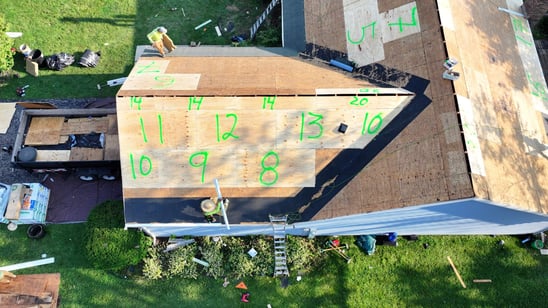
Here you'll see a mid-project example of a roof replacement that required some sheets of roof deck to be replaced; we like to number the new sheets of material for transparency:
How Are Worn Rafters or Trusses Repaired?
Worn rafters or trusses require the underlying structural problem to be corrected before the roof surface can be properly restored.
Depending on the damage, framing may be reinforced with additional structural support, or damaged components may need to be repaired or replaced. The goal is to restore the roof’s ability to properly carry and distribute its weight, not simply straighten the visible sag.
Because these components are part of your home’s structure, more significant damage may require a structural engineer or other qualified professional to determine the appropriate repair before the roofing system above it can be restored.
How Much Does It Cost to Fix a Sagging Roof?
The cost to repair a sagging roof can vary significantly depending on the cause, but homeowners can generally expect repairs to range from around $1,000 to $7,000. More extensive structural damage, widespread ventilation damage to decking, or another problem that requires a full roof replacement can cost considerably more.
The final cost can depend on:
- What component is damaged: Decking repairs are generally less involved than structural framing repairs.
- How large the affected area is: One damaged section requires less labor and material than widespread deterioration.
- What caused the sag: Active leaks, ventilation problems, or other contributing issues may also need to be corrected.
- How much roofing must be removed: Contractors may need to remove shingles and underlayment to reach damaged decking or framing.
- The condition of the existing roof: An older roofing system may change whether a localized repair or a larger replacement project makes more sense.
- Whether structural expertise is required: Some framing problems may require evaluation or repair recommendations from a structural engineer.
These variables make it difficult to give an accurate price based on the appearance of the roof alone. A contractor first needs to determine what is causing the sagging and how far the damage extends before a meaningful repair estimate can be provided.
What Should You Do If Your Roof Is Sagging?
If your roof appears to be sagging, have it professionally evaluated to determine what is causing the roofline to dip or bow. Until you know the cause, avoid walking on the affected area or attempting to straighten or reinforce the roof yourself.
Knowing what is happening underneath the shingles gives you the information you need to understand how serious the issue is and what correction actually makes sense. Starting with a clear understanding of what’s going on with your roof will help you make a confident decision.
If you need someone to evaluate a problem with your roof directly, schedule a no-commitment roof consultation with our team. We'll inspect the roofing system, explain what we find, and help you understand your options without any obligation to move forward with us.