What Are the Best Roofing Materials for Energy Efficiency?
When you plan to replace your roof, you're probably thinking about how long it will last, how much it'll cost, and what it'll look like on your home. But have you considered how your roofing material could affect your energy bills?
Choosing an energy-efficient roof isn't as simple as picking one particular material, especially in Northern Illinois, where homeowners deal with both hot summers and freezing winters. At Happy Roofing, we've helped hundreds of homeowners throughout the greater Naperville area understand their roofing options and make informed decisions about their homes.
In this article, we'll compare the most energy-efficient roofing materials for residential homes, explain how roof color affects energy performance, and discuss how much money an energy-efficient roof could realistically save you.
Key Takeaways
-
The most energy-efficient roofing material depends on the specific product, not just the material type. Metal roofing, asphalt shingles, and tile roofing all have options designed to reflect sunlight and reduce heat absorption.
-
Roof color affects energy efficiency, but lighter isn't always better. Lighter roofs generally reflect more sunlight, while some darker roofing products use special reflective coatings or granules to achieve similar benefits.
-
Northern Illinois homeowners need to consider both summer cooling and winter heating. A reflective roof may reduce cooling costs during hot weather, but it can also reduce the amount of solar heat absorbed during colder months.
-
An energy-efficient roof won't necessarily lead to major savings on your utility bills. Actual savings depend on your home's insulation, local weather, existing roofing system, and heating and cooling needs.
-
Your attic insulation, air sealing, and ventilation matter just as much as your roofing material. Addressing problems in these areas may offer greater energy-efficiency benefits than choosing a more reflective roof alone.
Table of Contents
- What Makes a Roof Energy-Efficient?
- What Are the Most Energy-Efficient Roofing Materials for Residential Homes?
- How Does Roof Color Affect Energy Efficiency?
- Can an Energy-Efficient Roof Actually Save on Energy Bills?
- Which Roofing Material Is Right for Your Home?
What Makes a Roof Energy-Efficient?
A roof's energy efficiency depends largely on how much heat it absorbs from the sun, how effectively it releases that heat, and how well the rest of your home manages heat transfer.
Two important factors that influence how roofing materials handle heat are solar reflectance and thermal emittance:
-
Solar reflectance refers to how much sunlight a roofing material reflects instead of absorbing. Materials that reflect more sunlight generally stay cooler when exposed to the sun.
-
Thermal emittance describes how effectively a material releases absorbed heat. A material with high thermal emittance can release heat more efficiently than a material with low thermal emittance.
Roofing products designed to reflect more sunlight and release heat effectively are often called cool roofing materials. These products can help reduce the amount of heat entering your home through the roof, particularly during hot, sunny weather.
However, the roofing material itself is only one part of the equation.
Your attic insulation, air sealing, and ventilation also play important roles in regulating temperatures inside your home. Even a highly reflective roof may offer limited energy savings if significant heat is entering your living space through poorly insulated attic areas.
What Are the Most Energy-Efficient Roofing Materials for Residential Homes?
Metal roofing, asphalt shingles, and tile roofing can all provide energy-efficient options, but their performance depends on the specific product, its reflective properties, and the conditions in which it's installed.
Each material has different advantages, costs, and installation requirements. Understanding those differences can help you decide which makes the most sense for your home.
Metal Roofing
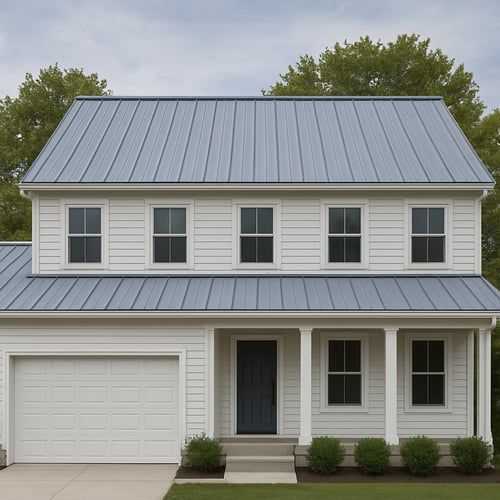
Metal roofing can be one of the most energy-efficient residential roofing options, particularly when it has a reflective coating designed to reduce heat absorption.
Many metal roofing products are available with reflective finishes that reduce how much heat the roof absorbs from sunlight. This can help keep the roof surface cooler during the summer and potentially reduce air-conditioning costs.
However, these coatings also reflect sunlight during the winter, meaning the roof absorbs less solar heat when outdoor temperatures are cold. Whether this significantly affects your home's heating costs depends on factors like attic insulation, air sealing, and the overall roofing system.
What Else Should You Consider Before Choosing Metal Roofing?
Metal roofing comes in a variety of colors and styles, and some darker options have reflective coatings that help reduce heat absorption. However, not all metal roofs offer the same energy performance.
Metal roofing also typically costs more upfront than asphalt shingles, and energy savings alone may not justify the higher price. But for homeowners already interested in metal roofing for its durability, appearance, or longevity, improved energy efficiency can be an added benefit.
Asphalt Shingles
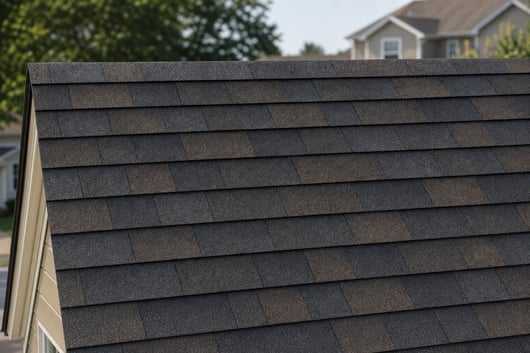
Asphalt shingles can be an energy-efficient roofing choice, especially when you select products designed with reflective granules that help reduce solar heat absorption.
Asphalt shingles are among the most common roofing materials used on residential homes throughout Northern Illinois. They're widely available, come in many colors and styles, and generally have a lower upfront cost than other roofing options.
Traditional asphalt shingles, especially darker-colored products, tend to absorb more sunlight and convert it into heat, which can lower energy efficiency. However, some manufacturers like GAF and Owens Corning offer specially designed reflective asphalt shingles, sometimes called cool roof shingles. These products use granules designed to reflect more sunlight than conventional shingles, aiming to reduce roof surface temperatures.
What Else Should You Consider Before Choosing Asphalt Shingles?
Not every reflective asphalt shingle will produce noticeable savings on your utility bills. The actual benefit depends on the product, your home's insulation, and how much cooling your home requires.
For many homeowners, asphalt shingles in general offer a practical balance between upfront cost, appearance, durability, and energy performance. If you're considering a new asphalt shingle roof and energy efficiency is important to you, ask your contractor whether reflective options are available and how they compare with standard shingles.
Tile Roofing
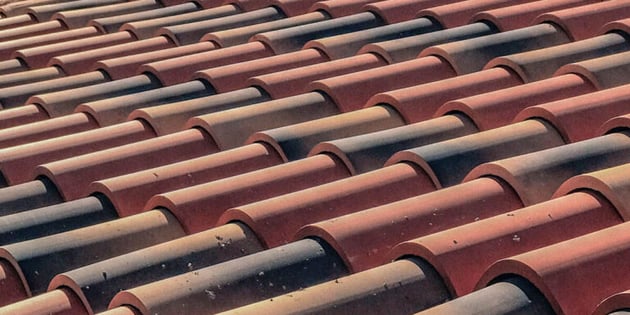
Clay and concrete tile roofing can offer good energy performance, particularly when the tiles have reflective surfaces or are installed in a system that allows airflow beneath them.
Tile roofs are often associated with homes in warmer climates, but certain features of clay and concrete tiles can also help reduce heat transfer into the home. Some clay and concrete tiles reflect a considerable amount of sunlight, especially when they have lighter colors or reflective finishes.
Depending on how they're installed, tile roofing systems can also create an air space between the tiles and the roof deck. This space can help reduce the amount of heat transferred into the home because it limits direct heat transfer from the tiles to the roof deck and can allow warm air to escape when properly ventilated.
What Else Should You Consider Before Choosing Asphalt Shingles?
Tile roofing isn't the most practical option for every residential home. Tile roofing isn't common on residential homes in Northern Illinois, largely because our region experiences freezing temperatures, snow, and repeated freeze-thaw cycles.
These conditions can be challenging for certain tile products, especially those that absorb moisture, which can expand and contract with temperature fluctuations and potentially crack. However, there are clay and concrete tile options specifically rated for cold climates that can withstand these conditions.
Tiles are also considerably heavier than asphalt shingles, and some homes may require structural evaluation or modifications before they can safely support the added weight. Tile roofing can also be more expensive to purchase and install, making it a less practical choice for many homeowners compared with more commonly used materials like asphalt shingles.
How Does Roof Color Affect Energy Efficiency?
Lighter-colored roofing materials generally reflect more sunlight, while darker-colored materials tend to absorb more heat.
Think about the difference between wearing a black shirt and a white shirt on a sunny summer day. Darker surfaces usually absorb more sunlight, causing them to retain more heat when you’re out in the sun.
Roofing materials behave similarly.
A darker-colored roof generally absorbs more sunlight, which can raise roof surface temperatures and increase the amount of heat transferred into your attic and living space, potentially increasing energy costs.
Although it makes a difference, color isn't the only factor that determines how efficiently a roof performs.
Some roofing manufacturers use specialized reflective pigments or granules that allow certain darker-colored products to reflect more sunlight than conventional roofing materials of a similar color. That means two roofs with nearly identical colors can perform differently depending on their materials and reflective properties.
Should You Choose a Lighter Roof in Northern Illinois?
A lighter, more reflective roof can help keep your home cooler during the summer, but it isn't necessarily the most energy-efficient or cost-effective choice for every Northern Illinois homeowner.
Because our region experiences both hot summers and cold winters, the benefits of a reflective roof can change throughout the year.
During the summer, reflecting more sunlight can reduce the amount of heat entering your attic, potentially lowering air-conditioning costs. In the winter, however, that same reflectivity means your roof absorbs less warmth from the sun, which could slightly increase heating demand.
That doesn't mean a darker roof is going to be better for winter. Snow cover, shorter daylight hours, and the insulation separating your attic from your living space can all limit how much solar heat actually helps warm your home.
So, what should you choose?
If you prefer a lighter color and want to reduce summer heat absorption, a reflective roofing product may be worth considering. But if you prefer a darker roof, there's no reason to assume you're making a poor energy-efficiency decision.
Instead, prioritize a roofing material that fits your budget, performs well in our climate, and complements your home. If energy savings are a major priority, compare the solar reflectance ratings of specific products and make sure your attic insulation and air sealing are in good condition.
Can an Energy-Efficient Roof Actually Save on Energy Bills?
An energy-efficient roof can help reduce cooling costs, but the amount you'll save depends on your existing roof, your home's insulation, local weather conditions, and how much energy you use for heating and cooling.
One of the biggest misconceptions about energy-efficient roofing is that choosing a more reflective material will lead to a major reduction in monthly utility bills.
In reality, the savings can vary considerably from one home to another.
For example, a homeowner with an older, poorly insulated attic may not see the same benefits from reflective shingles as someone whose home has sufficient insulation levels and proper attic ventilation.
It's also important to distinguish between cooling savings and total annual energy savings.
A roofing material that reduces air-conditioning demand during the summer won't necessarily reduce winter heating costs. In a climate like Northern Illinois, any summer cooling benefits need to be considered alongside the home's heating needs throughout the colder months.
That makes it difficult to give homeowners a reliable dollar amount or percentage without knowing more about their home.
What Else Can You Do to Improve Your Home's Energy Efficiency?
If your main reason for considering an energy-efficient roof is to lower your utility bills, it’s worth evaluating your attic insulation and air sealing. Improvements in those areas can sometimes offer more meaningful energy savings than changing roofing materials alone, because they help prevent heated or cooled air from escaping your living space and reduce unwanted heat transfer between your home and attic.
Proper attic ventilation also plays an important role in managing heat and moisture buildup, which can affect both your home's energy performance and the long-term health of your roofing system.
To learn more, read our article, “How Does Attic Ventilation Affect Your Roof?”, where we explain how ventilation works, how it affects your roof as a whole, and what can happen when an attic isn't properly ventilated.
Which Roofing Material Is Right for Your Home?
The best roofing material for your home depends on your budget, your roof's construction, your local climate, and how much value you place on potential energy savings compared with other roofing benefits.
Whichever material you're considering, it’s important to remember that the roof works together with your home's insulation, air sealing, and ventilation. Choosing an energy-efficient roofing material won't necessarily solve existing energy-efficiency problems elsewhere in your home.
If you're planning a roof replacement and want to better understand which materials make sense for your home, schedule a no-commitment roof consultation with our team. We'll evaluate your existing roofing system, discuss the options available for your home, and help you make an informed decision, whether you decide to partner with us or not.