Do You Need to Remove Snow From Your Roof, or Can You Let It Melt?
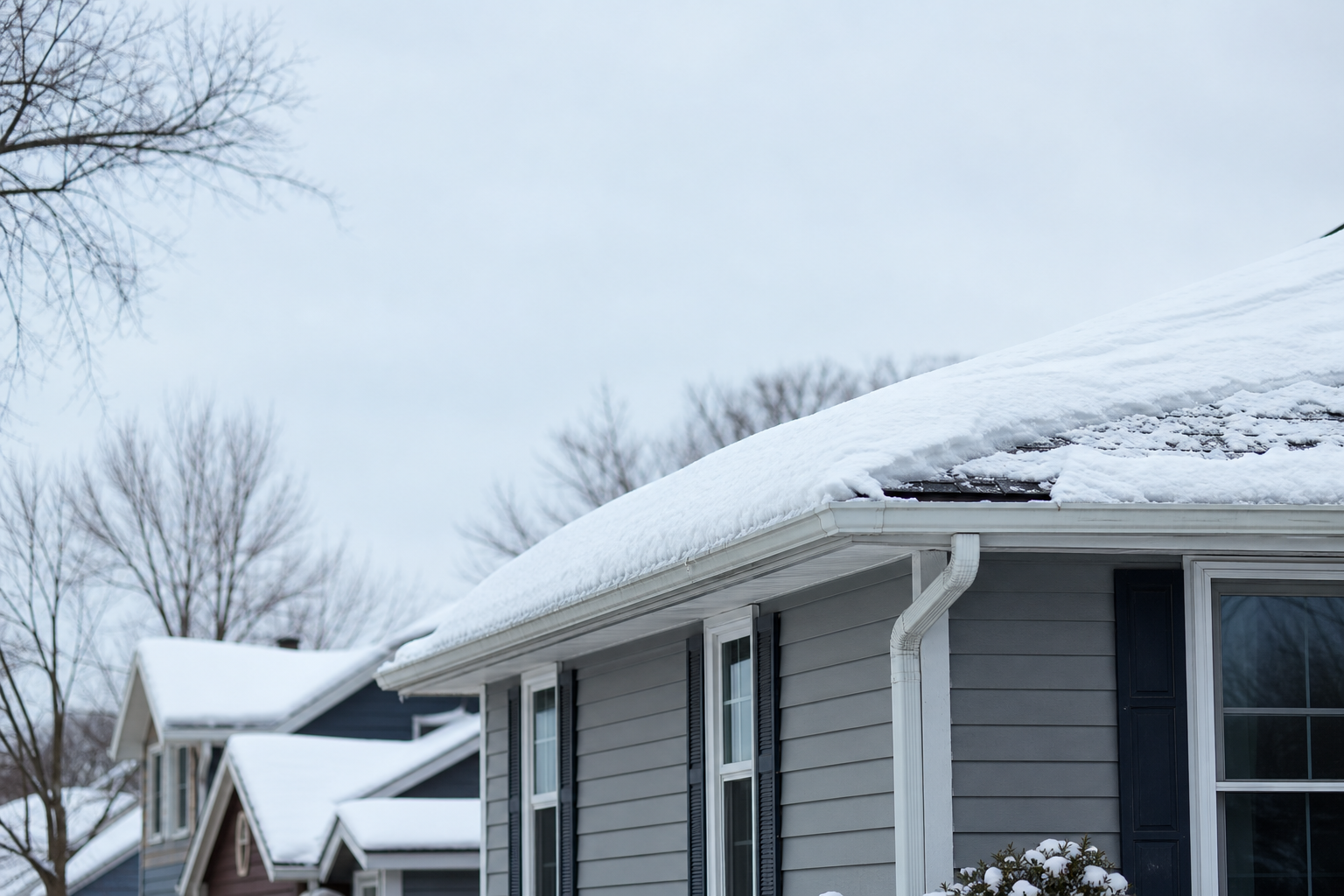
After a heavy snowfall, seeing several inches of snow sitting on your roof can leave you wondering whether the extra weight or potential for ice buildup is something you need to address, and it sometimes raises the question: Should you remove the snow to prevent problems, or is it better to leave it alone and let it melt naturally?
At Happy Roofing, we've worked with hundreds of homeowners throughout the greater Naperville area, where snow, freezing temperatures, and general winter conditions can raise questions about the durability of your roof.
In this article, we'll explain when snow can safely remain on your roof, what warning signs to watch for that could make removal necessary, and how to approach snow removal without damaging your roof or putting yourself at risk.
Key Takeaways
-
Most homeowners don't need to remove snow from their roofs after a typical snowfall. Residential roofs are generally designed to handle expected winter snow loads.
-
The weight of snow matters more than its depth. Wet, compacted snow and repeated snowfall can place significantly more stress on a roof than light, fluffy snow.
-
Visible sagging, new cracks, or doors and windows suddenly sticking can indicate structural stress. These warning signs deserve immediate attention, especially during periods of heavy snow accumulation.
-
Heavy snow buildup and recurring ice dams are reasons to consider snow removal. However, removing snow is only a temporary way to manage ice dams and won't correct their underlying causes.
-
Never climb onto a snow-covered roof to remove snow yourself. A roof rake may be suitable for clearing accessible areas from the ground, but difficult or potentially dangerous situations should be handled by professionals.
Table of Contents
- Do You Have to Remove Snow From Your Roof?
- What Are the Warning Signs That Snow May Be Putting Too Much Weight on Your Roof?
- Can Leaving Snow on Your Roof Cause Ice Dams or Roof Leaks?
- When Should You Consider Removing Snow From Your Roof?
- Can You Safely Remove Snow From Your Roof Yourself?
- What Should You Do if You're Worried About Snow on Your Roof?
Do You Have to Remove Snow From Your Roof?
Most homeowners don't need to remove snow from their roofs after a typical snowfall because residential roofs are designed to support expected weather-related loads, including snow.
A layer of snow on your roof doesn't automatically put your home in danger, and it doesn’t always mean that you need to take action.In Northern Illinois, homes are generally built to account for the snow loads expected in the region. However, the amount of snow a particular roof can safely support depends on factors such as its age, construction, condition, and design.
In most cases, allowing snow to melt naturally is the simplest option. However, unusually heavy accumulation, repeated snowstorms preventing snow melt, or visible signs of roof stress may warrant a closer look.
How Much Snow Is Too Much for Your Roof?
Most residential roofs are designed to support the snowfall expected in their area, so a typical winter storm usually isn't a reason to remove snow. However, several feet of accumulated snow, especially when it's wet or packed down, deserves closer attention.
The biggest factor is how much the snow weighs, not just how deep it is. A foot of light, fluffy snow can weigh much less than a foot of wet, compacted snow. Rain falling onto existing snow can add even more weight.
Your roof's age, construction, and condition will also affect its load capacity. If unusually heavy snow has accumulated or you're concerned about how much weight your roof can support, consult a structural engineer. A roofing contractor can help identify roofing damage or problems caused by snow and ice.
What Are the Warning Signs That Snow May Be Putting Too Much Weight on Your Roof?
Warning signs of excessive snow weight can include noticeable roof sagging, unusual cracking or popping sounds, and doors or windows that suddenly become difficult to open or close. These symptoms can indicate that parts of the building are under stress, although they don't automatically prove snow is responsible.
Here’s what those warning signs could mean:
- Visible sagging or changes in the roofline. A section of the roof that appears to dip or deform may signal a structural concern, often because the roof decking has been weakened or compromised.
- Doors or windows suddenly sticking. Doors or windows that become difficult to open or close may indicate that excessive weight is causing the home's framing to shift or bend.
- New cracks in walls or ceilings. Cracks that appear during heavy snow accumulation may indicate that the weight is stressing the home's structural framing.
- Significant snow drifting in one area. Deep snowdrifts due to wind concentrated on one section of the roof can create uneven weight distribution, potentially putting excessive stress on that part of the roof.
These warning signs should be taken seriously, especially if several appear at once. If you suspect your roof is experiencing structural stress, avoid entering the affected area or attempting to remove the snow yourself. Move to a safe location and contact emergency services if there are signs of imminent collapse. A qualified structural professional can help determine whether the roof is safe or if any safety measures need to be taken.
Can Leaving Snow on Your Roof Cause Ice Dams or Roof Leaks?
Snow left on your roof can contribute to ice dams and winter leaks under certain conditions, but snow accumulation alone doesn't mean either problem will develop.
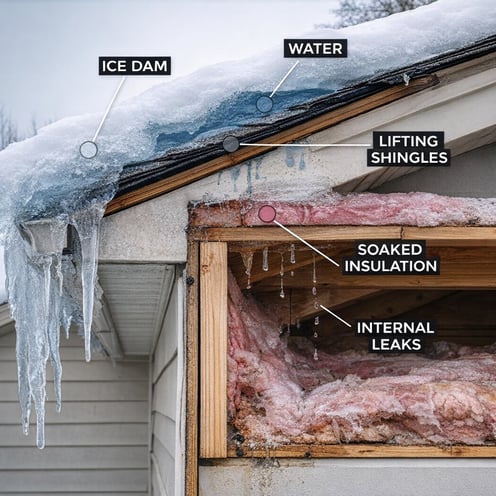
An ice dam forms when snow melts on a warmer section of your roof and the water refreezes near a colder roof edge. As that ice builds up, it can prevent additional meltwater from draining properly. Water may then collect behind the ice and potentially work its way beneath roofing materials.
One common reason this happens is heat escaping from your living space into the attic, warming the roof from underneath while the roof edges remain below freezing. However, sunlight, roof design, and changing outdoor temperatures can also influence how snow melts and refreezes.
If you regularly experience thick ice buildup along your roof edges, recurring icicles, or water stains inside your home during winter, the issue deserves more attention than simply needing to clear snow after each storm.
Below is a visual of how ice dams can impact your roof and lead to leaks:
For a closer look at why this happens, read our article, “How Do Ice Dams Cause Roof Damage?”
When Should You Consider Removing Snow From Your Roof?
Roof snow removal is worth considering when unusually heavy accumulation creates a potential structural concern, snow repeatedly builds up in vulnerable areas, or removing accessible snow may help manage an existing ice dam problem.
Not every snow-covered roof needs attention, and removal shouldn't be treated as a routine requirement after every storm. But there are situations where it may make sense to discuss snow removal with a qualified professional.
After Repeated Heavy Snowfalls
If several major snowstorms occur back to back before earlier snow has melted, the total weight on your roof can increase. This is especially worth paying attention to when the snow is wet and heavy or when freezing rain adds additional weight to what’s packed on the roof already.
The amount of accumulation that becomes concerning will depend on your roof's construction and condition, so a professional assessment is more useful than relying on a universal snow-depth rule if you have any concerns.
When Snow Collects Heavily in Certain Areas
Roof valleys, lower roof sections, and areas near changes in roof height can collect more snow than surrounding surfaces. Wind can also create large drifts in sheltered areas, even when other sections of the roof have relatively little snow.
These concentrated snow buildups can place significantly more weight on certain sections of your roof, increasing the risk of structural stress or damage in those areas.
When You're Experiencing Recurring Ice Dams
Some ice buildup along your roof edges and gutters is normal during winter, and a few icicles don't necessarily mean you have a potentially damaging ice dam. The concern is when a thick ridge of ice forms along the roof edge and prevents melting snow from draining, potentially causing water to back up beneath your shingles.
If this happens repeatedly, removing some of the snow above the affected areas may help reduce the amount of meltwater feeding the ice dam.
However, snow removal is only a temporary measure, not a permanent solution. If ice dams return every winter, it's worth investigating whether attic insulation, air sealing, ventilation, or roof design is contributing to the problem.
Can You Safely Remove Snow From Your Roof Yourself?
Some homeowners can remove light snow from accessible roof edges using a properly designed roof rake while standing safely on the ground, but climbing onto a snow-covered roof is dangerous and should be avoided.
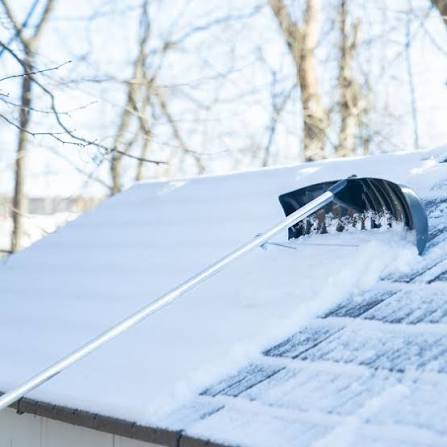
A roof rake is a long-handled tool designed to pull snow down from the lower sections of a roof. When used correctly, it may allow you to clear some snow without stepping onto the roof or using a ladder.
However, there are several precautions worth keeping in mind.
- Stay on the ground. Avoid climbing onto the roof or using a ladder to reach snow-covered sections, as the conditions and slope of the roof can make it very difficult to maintain stability.
- Use a roof rake designed for your roofing material. Some tools have rollers or protective features that help reduce contact with shingles.
- Don't scrape directly against the shingles. Aggressive scraping can damage roofing materials, especially in freezing weather.
- Watch where the snow will fall. Large amounts of snow or ice can slide down suddenly and injure anyone standing beneath them.
- Stay away from overhead power lines. Long-handled tools can create serious electrical hazards if used near utility lines.
- Don't try to chip away thick ice. Using sharp tools to break up ice dams can damage shingles, flashing, or gutters if done incorrectly. If you need an existing ice dam cleared, consider contacting a roofing professional for help.
If the snow is too high to reach safely from the ground, the roof is particularly steep, or large amounts of ice have already formed, professional removal is the safer option.
Below is an example of a roof rake in action from Suncast:
What Should You Do if You're Worried About Snow on Your Roof?
If you're concerned about snow accumulating on your roof, start by checking for visible warning signs from a safe location and avoid attempting removal until you understand whether it's necessary.
In many cases, the snow will melt naturally without causing problems.
However, if you're noticing unusually heavy accumulation, recurring ice dams, or signs of roof damage, it's worth having the situation evaluated before deciding what to do next.
If you're experiencing winter roof problems or have concerns about how snow and ice may be affecting your roof, schedule a no-commitment roof consultation with our team. We’ll inspect your roofing system, explain what we find, and help you understand your options, whether you decide to partner with us or not.