How Do Ice Dams Cause Roof Damage?

Every winter, we see the same scenario play out: a homeowner notices thick ice forming on the edge of their roof or water spots on their ceiling. While they may appear normal for the season, ice dams can create some serious problems.
At Happy Roofing, we've performed hundreds of roof inspections throughout the greater Naperville area and have seen firsthand how this buildup of ice on the edges of roofs can lead to costly damage. Oftentimes, this damage is hidden behind walls and beneath roofing materials like shingles, only showing up when it's too late.
In this article, we'll walk you through:
- What an ice dam actually is and how it forms
- How ice dams can damage your roof, walls, and insulation
- Some early signs to look for before you're dealing with a major repair
- What you can do to help prevent them from forming in the first place
We're not here to scare you during the next snowfall; we're here to educate you with full transparency. Whether or not you ever work with us, you deserve to understand how this problem works so you can be both informed and prepared.
Table of Contents
- What Are Ice Dams and How Do They Form?
- How Ice Dams Damage Roofs
- Signs of Ice Dam Damage
- Can You Prevent Ice Dams?
- What to Do If You Notice Ice Dams on Your Roof
What Is an Ice Dam and How Does it Form?
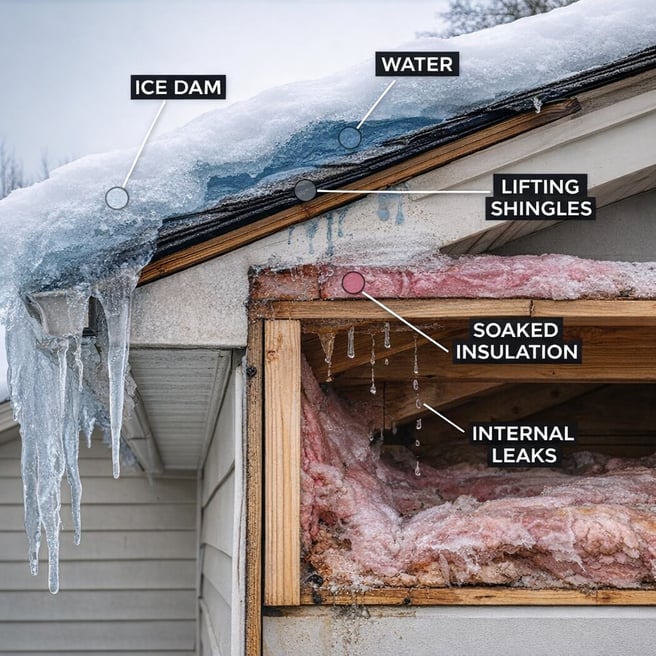
An ice dam is a ridge of ice that forms at the edge of your roof when melting snow refreezes before it can fully drain off. In cold climates, like we have here in the greater Naperville area during winter, this freeze-thaw cycle can trap water on your roof. This trapped water can back up under shingles and leak into your attic, ceilings, walls, and insulation.
Steeper roofs tend to experience ice dams less often, but can still be affected by them.
Here's what's happening when an ice dam forms, step-by-step:
- Snow builds up on your roof after a snowfall.
- Heat from your attic warms the underside of the roof, melting the snow from the bottom up.
- The melted water runs down to the colder roof edge and gutters, where it refreezes into a layer of solid ice.
- As this cycle repeats, the ice layer gets bigger, eventually forming an ice dam. With nowhere else to go, any water draining from higher up on your roofline is trapped at the dam and can force its way under shingles and into your home.
How Do Ice Dams Impact Homeowners?
The damage that ice dams can cause can be extensive, expensive, and often hidden in ceilings, drywall, insulation, and even structural wood. Some people don't pay much attention to ice dams until they cause interior water damage
If untreated, water damage can lead to mold growth, rotting materials, and ongoing moisture issues. Ice dams are often misunderstood, misdiagnosed, or only temporarily fixed, leaving the root cause unaddressed and exposing your home to repeated issues.
Understanding how ice dams form is the first step toward preventing them. In the next section, we'll break down exactly how they damage your roof and why it's so important to catch the problem early.
How Do Ice Dams Damage Your Roof?
Ice dams cause roof damage by forcing water to back up under your shingles and into areas of your home that were never meant to get wet. In areas like Northern Illinois, where freeze-thaw cycles are common, ice dams are one of the most frequent causes of winter roof leaks.
Even small ice dams can lead to expensive repairs if they're ignored. Water doesn't just drip straight through the roof and into your interior ceilings. Instead, it travels behind walls, soaks insulation, can lead to mold, and compromises the structural integrity of your roof and attic over time.
Below are the most common types of damage we see caused by untreated or recurring ice dams:
Water Backups and Roof Leak Penetration
When water from melting snow can't drain off your roof due to an ice dam, it pools and begins to seep under your shingles. Most roofing systems are not designed to protect against standing water for extended periods of time.
Once water gets beneath the surface:
- It finds nail holes, seams, or any small openings in your roofing underlayment or behind flashings (the thin metal or rubber installed around roof features and penetrations like chimneys, vents, and valleys to direct water away from vulnerable seams).
- It seeps into the attic or interior walls, damaging insulation, wooden framing, and drywall, potentially leading to mold growth.
- The longer it sits, the more it spreads, often undetected until stains or leaks appear indoors. Typically, by the time homeowners notice an interior stain, the leak has been active for quite some time.
Rotting of Roof Decking and Support Structures
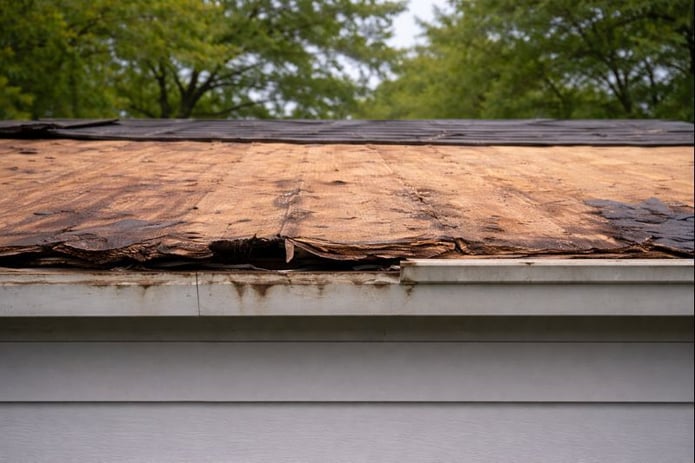
Over time, consistent moisture exposure from ice dams can lead to rot in your roof decking (the plywood layer beneath your shingles) and even the structural rafters or trusses.
- Roof decking can become soft, warped, or spongy, reducing its ability to hold fasteners.
- If rot spreads to structural components, it can compromise the safety and integrity of the roof itself, making the home unsafe.
- These issues often go unnoticed until a future repair or replacement uncovers hidden rot, or your attic is inspected.
Damage to Insulation, Drywall, and Interior Ceilings
Once inside, that trapped water continues to move downward through your attic insulation, walls, and ceilings, basically wherever it can go.
- Wet insulation loses its effectiveness, potentially increasing your heating bills if the problem gets bad enough.
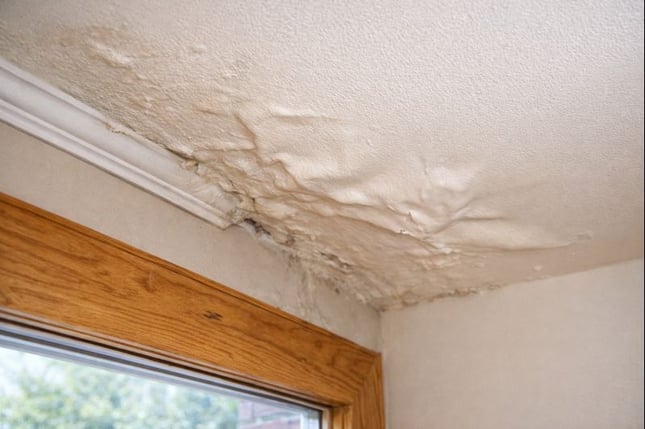
- Water-soaked drywall will bubble, stain, and crumble, often needing full replacement, in addition to fixing the source of the leak.
- Since intruding water naturally travels along the easiest path it can find, ceiling leaks may not show up directly beneath the roof entry point, making diagnosis harder.
What Are the Signs That an Ice Dam Is Causing Roof Damage?
The most common signs of ice dam damage are water stains on ceilings, sagging drywall, peeling paint, and large icicles forming along your roof edge. These warning signs can appear slowly or suddenly.
If caught early, damage can often be minimized. But if ignored, water intrusion from an ice dam can spread rapidly behind walls and into insulation, leading to larger issues and more costly repairs.
Watch for these signs during the winter season:
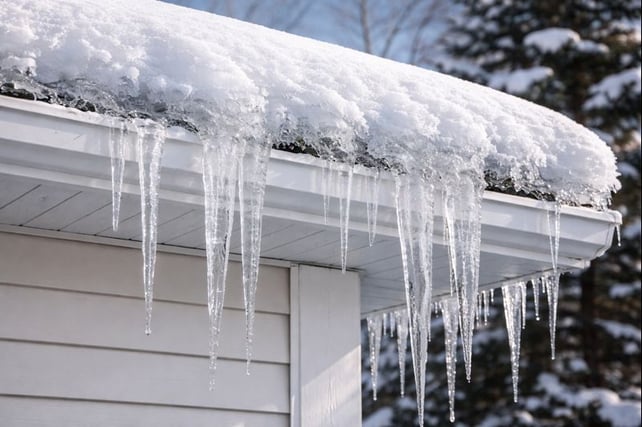
- Visible icicles and ice buildup at the eaves: Large icicles hanging from the roof edge or gutters are often the first visible sign of an ice dam. While icicles are completely normal during the winter, thick ridges of ice forming at roof edges indicate water is freezing at cold points and may already be working its way under the shingles.
- Stains or water drips on interior ceilings and walls: Yellow or brown water spots on ceilings in the winter, especially near exterior walls, are classic signs of a roof leak caused by an ice dam. In some cases, you may even see active drips during sunny winter days, when snow melt is at its peak, and more water is produced.
- Peeling paint or sagging drywall: Water intrusion over time will cause paint to bubble, crack, or peel, especially near ceilings or corners of walls. Drywall that absorbs moisture will begin to sag, warp, or crumble, often with soft or discolored patches. These signs typically appear after the leak has been present for a while, signaling that interior damage may have already begun.
Can Ice Dams Be Prevented?
Addressing insulation, ventilation, and drainage can dramatically reduce your risk of ice dam formation and the costly damage that comes with it. In some cases, ice dams can be prevented, with the most effective strategies focusing on correcting the root issues that cause snow to melt unevenly and refreeze at the roof's edge.
Here are the top prevention methods homeowners should consider:
- Proper insulation and attic ventilation: Heat escaping from your home into the attic is one of the most common causes of ice dams. When the roof warms unevenly, snow melts and refreezes at the edges. Improving your attic's insulation keeps warm air where it belongs, inside your living space. Meanwhile, ridge vents, soffit vents, and airflow baffles allow cold air to circulate properly through the attic, preventing warm spots on your roof that trigger uneven melting.
- Heat cable systems: Electric heat cables can be installed in vulnerable roof areas, such as eaves and valleys, to melt snow and help prevent water from freezing in one spot. While not a substitute for proper insulation and ventilation, they can serve as a useful second line of defense.
- Gutter maintenance and design upgrades: Clogged or poorly designed gutters can trap water and contribute to ice damming. Clean your gutters in late fall to remove leaves and debris. Consider installing oversized downspouts and make sure the gutters are pitched properly for drainage. While clogged gutters don't cause ice dams directly, they can worsen the effects if water can't shed from the roof.
What Should You Do If You Suspect Ice Dam Damage?
The sooner you act and get a professional assessment, the better your chances of avoiding serious interior and structural problems. If you've noticed signs like ceiling stains, icicles forming along your roofline, or peeling paint near exterior walls, there's a good chance you may be dealing with ice dam damage.
Here's what we recommend:
- Document what you see: Take photos of any interior water damage and visible ice on your roof or gutters. This can help a roofing professional diagnose the issue and see how the issue progressed from the time you noticed it to the initial inspection.
- Don't try to chip away the ice yourself: Removing an ice dam with a shovel, hammer, or ice pick can damage your shingles or gutters and create bigger problems. It's also dangerous. If water is leaking inside, place buckets or towels to collect it and protect valuables, but leave the roofwork to the pros.
- Call a roofing professional: Ice dam damage is often hidden beneath the surface. A qualified roofer can inspect for leaks, assess structural and insulation damage, and recommend the right solution to stop the problem at its source. If you've had recurring issues, it's also the best way to prevent bigger, more expensive repairs down the road.
We offer no-obligation roof consultations to help you get clear answers before spending a dime. If you're seeing warning signs or just want peace of mind heading into winter, schedule a visit with one of our experts. We'll walk you through what the root cause of your issue is and what your options are, without the obligation to move forward with us.