Is Homeowners Insurance Getting Stricter on Roof Claims? What Homeowners Need to Know
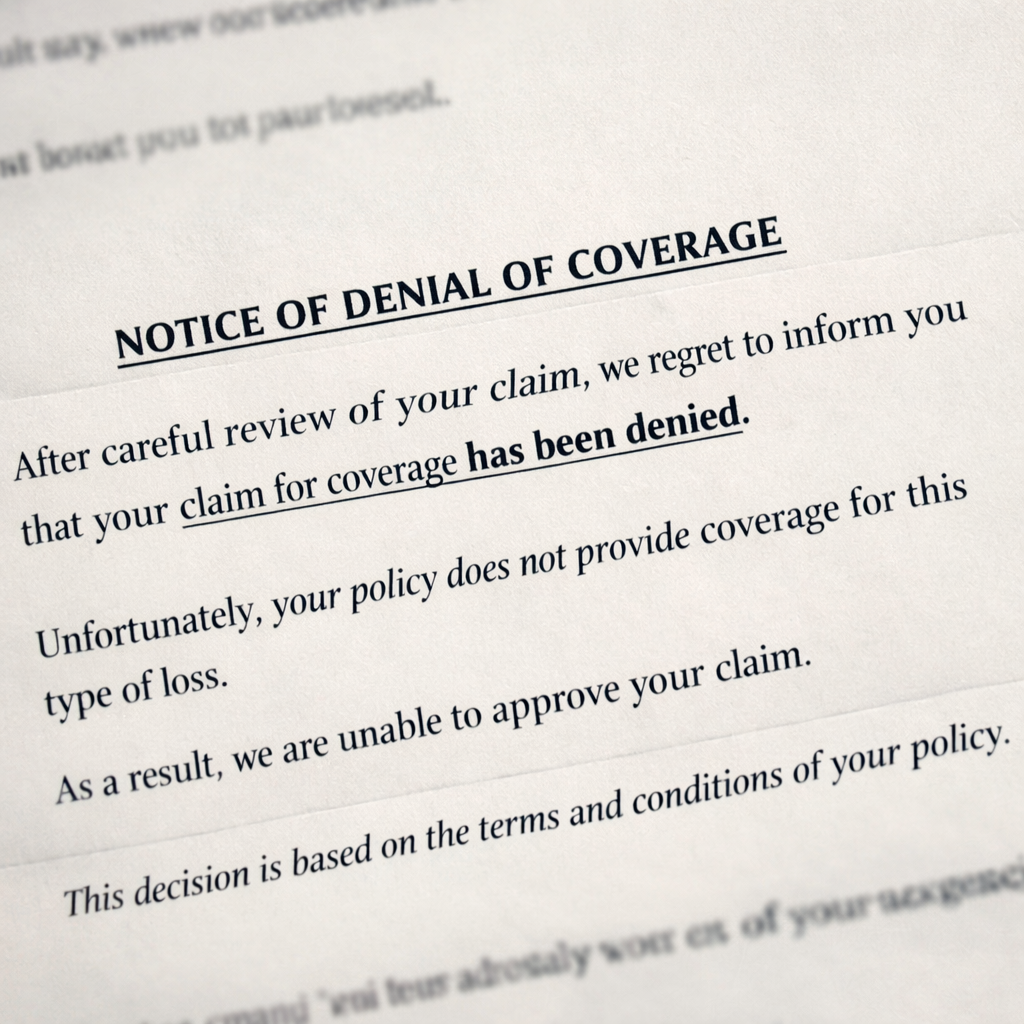
Have you recently filed a roof claim and have been denied coverage? Have you received a notice from your insurance company about your roof potentially impacting your coverage? If so, you’re not alone.
At Happy Roofing, we’ve worked with hundreds of homeowners across the Chicagoland area, and over the past several years, we’ve seen a noticeable shift in how insurance companies handle roof coverage. From stricter inspections to higher deductibles and more claim denials, the process today looks different from what it did even a few years ago.
Our goal here isn’t to criticize insurance companies or discourage you from filing a legitimate claim; it's to inform you. It’s more important that you understand what’s happening and how it could impact your home.
In this article, we’ll break down:
- Whether homeowners insurance is actually becoming more strict about roof coverage
- What changes homeowners are starting to see in their policies and claims
- And what you can do if your roof coverage is reduced, denied, or at risk
By the end, you’ll have a clear, honest understanding of what’s changed with roof coverage over the years, so you’ll feel prepared if you ever need to file a claim yourself.
Key Takeaways
- Yes, homeowners insurance is becoming more strict about roof coverage: This shift has been happening gradually over the past several years, with more claim denials, higher costs, and tighter policy requirements.
- Insurance companies are tightening coverage due to cost and risk: Rising claim costs, frequent storm damage in areas like Illinois, increased fraud, and aging roofs are all driving stricter policies and approvals.
- There are steps you can take if your coverage is reduced or denied: Reviewing your policy, getting a professional inspection, and requesting written explanations can help you make informed decisions and potentially challenge decisions.
- Being proactive is the best way to protect your coverage: Regular roof inspections, maintaining your property, and understanding your policy can help you avoid surprises and stay ahead of stricter insurance requirements.
Table of Contents
- Is Insurance Becoming More Strict About Roof Coverage?
- Why Insurance Providers Are Tightening Roof Coverage
- The Different Ways Insurance Providers Are Getting More Strict With Roof Coverage
- What You Can Do If Your Policy Is Reduced, Denied, or At Risk
- How to Stay Ahead of Changes to Your Roof Coverage
Is Homeowners Insurance Actually Becoming More Strict About Roof Coverage?
Yes, homeowners insurance is becoming more strict about roof coverage, and it has been happening gradually over the past several years.
While policies and coverage options still exist, many homeowners are noticing that claims are harder to get approved, costs are rising, and coverage is not as comprehensive as it once was – and they’re not the only ones who have noticed this.
This article from Robertson Ryan Insurance explains that the cost of the average roof insurance claim had increased by $2000 from 2022 to 2023. It also outlines that because of frequent hailstorms, Illinois ranked as the second most expensive state for roof damage claims in 2023. In the next section, we’ll dive into how these factors impact insurance coverage.
Why Are Insurance Companies Tightening Roof Coverage?
Insurance companies are tightening roof coverage due to rising claim costs, increased fraud, and a greater focus on managing risk.
Based on what we’ve seen working with homeowners across the Chicagoland area, this shift is not the result of one major change, but rather a series of smaller adjustments that have added up over time.
Here are the main factors driving this trend:
- Rising claim costs: The cost to repair or replace roofs has increased significantly over time, especially due to higher labor and material costs, which means insurance companies are paying out larger claims than they used to.
- Higher claim frequency in storm-prone areas: In regions like Illinois, where hail and wind damage claims are more common, insurance companies often respond by increasing premiums, tightening coverage, or adding stricter requirements to manage the higher volume of claims.
- Increased insurance fraud and questionable claims: Some contractors and homeowners have taken advantage of the claims process, leading insurance companies to become more cautious and selective about what they approve.
- Aging roofs and higher risk profiles: As roofs get older, they are more likely to fail or show damage, which increases the likelihood of claims and pushes insurers to limit their risk. This factor has been pretty standard for a while now, but some insurance providers have tightened their guidelines when it comes to the specific age of a roof they view as high risk.
For homeowners, these changes may feel sudden, but from the insurance company’s perspective, they are a response to increasing costs and risk across the industry. Understanding why this is happening can help you better navigate your coverage, avoid surprises, and make more informed decisions about your roof and your insurance policy.
How Are Insurance Companies Getting More Strict About Roof Coverage?
Insurance companies are becoming more strict by limiting coverage, increasing homeowner responsibility, and more closely evaluating the age and condition of roofs before approving claims.
While coverage hasn’t disappeared, the way insurers assess and pay for roof damage has changed in several key ways:
- Higher deductibles for roof-related claims: Many policies now include separate, higher deductibles for wind and hail damage, meaning homeowners are responsible for a larger portion of the cost before insurance pays anything
- More policies are shifting from replacement cost (RCV) to actual cash value (ACV): Instead of covering the full cost to replace your roof (replacement cost value, or RCV), some insurers now factor in depreciation to provide an adjusted payout (actual cash value, or ACV), especially for roofs around 10-15 years old or older which are viewed as higher risk.
- Insurance companies are paying closer attention to your roof’s age and condition: Roofs over a certain age (often around 10-15 years) or deemed to be higher risk may trigger limited coverage, require inspections, or even a non-renewal of the policy unless the roof is replaced. If you’ve received one of these non-renewal notices and aren’t clear on what to do next, read our article, Received a Roof Non-Renewal Notice from Your Insurer? Here’s What to Do.
- Stricter claim evaluations are leading to more denials: Insurance companies are taking a closer look at whether damage is truly caused by something included in your coverage or simply normal aging. Whether the insurance provider has tightened their definitions of coverable damage, or they are conducting more thorough inspections before issuing an approval, these stricter evaluations are resulting in more partial approvals or denied claims.
- Insurance providers are using technology to assess risk: Tools like aerial imagery, drone inspections, and AI are making it easier for insurers to evaluate roofs remotely. This allows insurance companies to regularly inspect roofs, potentially leading to policy restrictions if they find signs of unaddressed damage or other wear.
What Does This Mean for Homeowners?
These changes mean that getting a roof claim approved today can be more difficult and more expensive than it was in the past. For homeowners, that often looks like:
- More out-of-pocket costs: Between higher deductibles and policies that factor in depreciation to determine the amount you’ll receive, you may end up paying money out-of-pocket even if your claim is approved.
- More requirements to maintain coverage: Some insurance providers may find reasons to reduce or deny coverage to your roof, like property neglect (overgrown tree limbs or damage to the property), excessive roof wear, and age-related concerns that signal a higher risk of failure.
- More responsibility to understand your policy: Since coverage is becoming less straightforward, it’s now even more important to know what your insurance does and does not include.
What Can You Do If Your Roof Coverage Is Reduced, Denied, or At Risk?
If your roof coverage has been reduced, denied, or flagged by your insurance company, the first thing you should do is make sure you fully understand your situation and verify the reason for the penalty before taking action.
Here are a few steps homeowners can take:
- Review your insurance policy carefully: Make sure you look through your policy to confirm whether everything lines up with what your insurance company is telling you. Pay close attention to whether your roof is covered under replacement cost value or actual cash value, what your deductible is, and whether there are any exclusions related to age, wear and tear, wind, or hail. If your insurer is saying your roof no longer qualifies for full coverage, your policy documents should help you see whether that decision matches the terms of your coverage.
- Get a professional roof inspection: A qualified roofing contractor can assess the true condition of your roof, document visible damage, and help you understand whether your roof is actually in poor condition or if the insurance company may be overstating the issue. This can be especially helpful if you received a non-renewal notice, a reduced coverage notice, or a denied claim and want an expert opinion before spending money or making a major decision.
- Request written reasoning: If your insurance company reduces coverage, denies a claim, or tells you your roof needs to be replaced, ask them to put the reason in writing. This gives you something specific to review and compare against both your policy and a contractor’s inspection findings. It can also help you identify whether their decision is based on the roof’s age, its visible condition, alleged neglect, or a lack of storm-related damage. The more clearly you understand their reasoning, the easier it will be to determine whether you have any options to dispute the policy reduction.
How Can You Stay Ahead of Changes to Your Roof Coverage?
Understanding how your insurance works, knowing the condition of your roof, and staying on top of both roof and property maintenance can go a long way in protecting both your coverage and your home. Roof coverage is becoming measurably more strict as time goes on, and homeowners need to be more proactive than ever.
Roof inspections are one of the most effective ways to stay ahead of these changes. Having your roof evaluated by a professional can give you a clear understanding of its condition and help you catch potential issues before they impact your coverage.
If you’re unsure about the condition of your roof, or you want to verify what your insurance company is telling you, we’re here to help. We offer no-obligation roof consultations to assess your roof honestly, document its condition, and walk you through your options so you can make an informed decision.
Even if you decide not to work with us, our goal is to make sure you have the clarity and confidence to move forward in the direction that's best for you and your home.