Should You Schedule Roof Repairs Before Fall Ends?
Maybe you know your roof could use some attention, but does it really matter if you take care of it this fall or wait until spring?
Maybe you’ve noticed that your roof has a few lifting shingles, shingle granules in your gutters and near downspouts, or another issue that isn’t causing an active leak. With winter getting closer, you may be wondering whether leaving it alone for a few more months could turn a manageable problem into something more serious.
At Happy Roofing, we’ve inspected, repaired, or replaced hundreds of roofs throughout the greater Naperville area. During this time, we’ve come to understand that some repairs are worth taking care of before winter weather arrives, while others may be reasonable to monitor until the spring.
In this article, we’ll explain which roof repairs may be more important to handle this fall, what can happen if certain problems are left through the winter, and how to determine whether your roof needs attention before winter.
Key Takeaways
- Not every roof problem needs to be repaired before winter: The timing should depend on the type and severity of the damage and whether leaving it alone could allow water into the roofing system.
- Problems that could let water in deserve attention before winter: Active leaks, missing or significantly damaged shingles, damaged flashing, problems around roof penetrations, and storm damage are worth having evaluated before colder weather arrives.
- Some minor roofing issues may be safe to monitor until spring: Cosmetic damage or other problems that aren't compromising the roof may not require immediate repair, especially if a contractor has evaluated the issue and explained what warning signs to watch for.
- Winter weather can make some repairs more difficult, but not impossible: Cold temperatures can affect roofing materials, while snow, ice, wind, and precipitation can determine whether repairs can be completed safely.
- Winter approaching shouldn't be used to pressure you into a repair: A reputable contractor should be able to show you the problem, explain what could happen if you wait, and help you understand your options so you can make an informed decision.
Table of Contents
- Should You Repair Your Roof Before Winter?
- What Roof Repairs Should Be Addressed Before Winter?
- Are There Roof Repairs That Can Wait Until Spring?
- Is It Ever Too Cold to Repair a Roof?
- Should You Rush a Roof Repair Just Because Winter Is Coming?
- How Do You Know If Your Roof Repair Can Wait?
Should You Repair Your Roof Before Winter?
It’s generally better to address the problem before heading into winter if your roof has damage that is allowing water in or leaving part of the roofing system exposed. The important factor is the type and severity of the damage.
A small or mostly cosmetic issue that isn’t affecting the roof’s ability to keep water out, like minor granule loss on otherwise healthy shingles, may be something a contractor recommends monitoring. However, an active leak, or an issue that could lead to one in the near future, is a different situation.
Instead of using winter itself as the deadline, think about what could happen to the existing problem if you leave it alone for the next several months.
What Roof Repairs Should Be Addressed Before Winter?
Active leaks, missing or damaged roofing materials, damaged flashing, and other problems that could allow water into the roofing system are worth evaluating before winter.
Some common examples include:
- Active roof leaks: If water is already getting into your home, waiting gives that moisture more time to affect roof decking, insulation, drywall, or other materials. Finding and repairing the source can help prevent the existing problem from continuing.
- Missing or significantly damaged shingles: Shingles are your roof’s first line of defense against rain, snow, and other weather. Missing, lifted, or badly damaged shingles can leave the materials underneath more exposed.
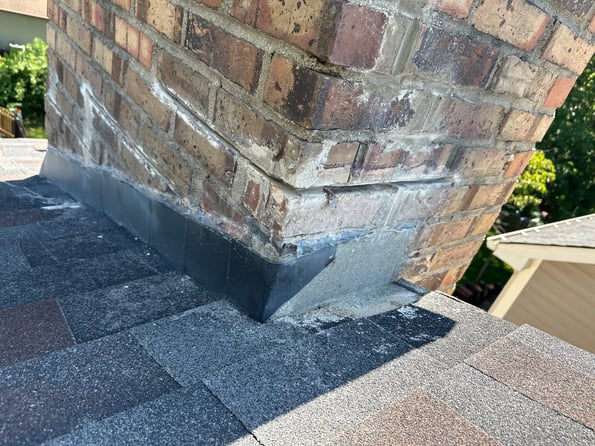
- Damaged flashing: Flashing is the metal material used to help direct water away from vulnerable areas of the roof, such as chimneys, walls, vents, and other transitions. If it becomes loose, damaged, or separated, water may have an easier path into the roofing system.
- Damage around roof penetrations: Plumbing vents, exhaust vents, skylights, and anything else passing through the roof need to be properly sealed against water. Problems with the materials surrounding these areas can lead to leaks.
- Storm damage: If wind, hail, or a fallen branch damaged the roof earlier in the year, it's worth understanding the extent of that damage rather than assuming it can safely sit through winter.
This doesn't mean every one of these problems will require an immediate repair, but they’re worth having evaluated so you know what you're dealing with before deciding to wait.
The image below is an example of worn chimney flashing that may be worth assessing before the winter season, as any gaps caused by the worn sealant or rusting metal could lead to leaks as the snow melts:
Are There Roof Repairs That Can Wait Until Spring?
Some roofing problems may be reasonable to monitor rather than repair immediately, depending on their severity and the overall condition of the roof.
For example, a contractor may find something minor that isn't currently allowing water into the roofing system, like cosmetic shingle damage, and isn't expected to create an immediate problem. In that situation, you might decide to continue monitoring for specific warning signs your contractor points out and plan the repair for a later date, or include the repair with other roofing work you're already planning after winter.
What Can Happen If You Wait to Repair Your Roof Until Spring?
Waiting on a roof repair can allow an existing problem to continue or worsen, but the amount of risk depends on what’s actually wrong with the roof.
If water already has a way into the roofing system, like with missing shingles or deteriorated flashing, additional rain, melting snow, and other moisture can continue entering through that vulnerable area.
Depending on the problem, continued moisture exposure could affect:
- Roof decking: The wood beneath your roofing materials can deteriorate when repeatedly exposed to moisture, causing it to warp, rot, and lead to larger leaks within the home.
- Insulation: Water that enters the home can drip or accumulate on attic insulation. Wet insulation may not perform as intended and can hold moisture inside the attic.
- Ceilings and walls: A leak that begins in the roofing system can eventually become visible inside the living space and may cause interior damage to drywall or other items if left to spread.
- The size of the eventual repair: If damage spreads beyond the original problem area, fixing it later may involve more work than addressing the original issue if it’s expected to worsen over the winter season.
But this is also where roofing advice can become unnecessarily scary. Finding a damaged shingle in October does not mean your roof is guaranteed to suffer major damage over the winter. A thorough roof inspection can help determine whether the existing problem is compromising the roof and how likely it is to allow additional damage if left alone.
Is It Ever Too Cold to Repair a Roof?
Cold weather can affect how certain roofing repairs are performed, but that doesn’t make it impossible to complete a roof repair in the winter.
The type of repair, roofing material, temperature, wind, precipitation, and conditions on the roof all play a role in determining whether it’s safe or effective to repair a roof in cold weather.
For asphalt shingles, colder temperatures can make the shingles less flexible and can affect how their adhesive seal strips activate. This is especially true for shingles that utilize rubberized asphalt like those from Malarkey. That means a contractor may need to take additional precautions (like warming up the materials on site before installation) or wait for more appropriate conditions depending on the work being performed.
Safety matters, too.
Snow, ice, high winds, rain, or other unsafe conditions can make it irresponsible to put a crew on the roof. Although a necessary repair may have to wait, in emergency situations, vulnerable areas of the roof can be tarped to prevent any moisture or water from getting into the home before the permanent repairs can be made.
Should You Rush a Roof Repair Just Because Winter Is Coming?
Winter approaching is a reason to understand your roof's condition, not a reason to rush a roofing decision under pressure.
There can be legitimate reasons for recommending that a repair happen sooner, like an active leak, but you should be hesitant if a contractor is pushing you to schedule roof repairs immediately with little explanation as to why.
Urgency without explanation can be a red-flag sales tactic to pressure homeowners into making a decision they otherwise may not have if they had been given time to explore their options.
If you're being told a repair needs to happen immediately, ask:
- What did you find?
- What will happen if I wait until spring?
- Is water currently getting into the roofing system?
- Is there a temporary option if the permanent repair can't be completed yet?
- Can you show me (photos or other documentation) the area you're concerned about?
The contractor should be able to show you what they're seeing, explain why the timing matters, and go over your options without pressuring you into a sale.
How Do You Know If Your Roof Repair Can Wait?
If you're unsure whether your roof repair can wait until spring, have the problem evaluated by a roofing professional who can show you what's wrong and explain the risk of leaving it alone.
After an inspection, you should understand what was found, whether water is getting into the roofing system, what could happen if you wait, and what your repair options are. From there, you can make the decision that makes the most sense for your home.
If you’re not sure how your roof is holding up heading into winter, start with our Fall Roof Checklist: 6 Things Illinois Homeowners Should Check Before Winter. It covers the basic things you can look for around your home this fall to make sure your roof is in good shape for the colder weather ahead.
If you already know something is wrong and aren't sure whether it should be repaired before winter, you can schedule a no-commitment roof consultation with our team. We'll assess the entire roofing system, show you what we find, and explain your options so you can make an informed decision whether you decide to work with us or not.