What Can Delay My Roofing Project?
When you’re planning a roofing project, one of the first things you want to know is: when will it start, and how long will it take? That’s a completely reasonable concern, but the challenge is that roofing isn’t like many other home projects. It depends heavily on factors outside anyone’s control, like weather, material availability, and scheduling shifts.
Because of that, even well-planned projects can be subject to change in some cases. What looks like a clear timeline at the beginning can shift as those variables come into play, leaving homeowners unsure of what to expect or why things have changed.
At Happy Roofing, we’ve helped hundreds of homeowners across the greater Naperville area navigate roofing projects of all sizes, and we aren’t immune to project delays ourselves. While they can be frustrating, they’re much easier to handle when you understand why they happen and your contractor communicates clearly along the way.
In this article, you’ll learn:
- The most common reasons roofing projects get delayed
- Whether delays can be avoided at all
- What you can do to prepare for or respond to delays
By the end, you’ll walk away with a clearer sense of what to expect from, and how to manage, roofing project delays so you can plan your next project with fewer surprises and more confidence.
Key Takeaways
- The most common causes of delays are weather, material shortages, scheduling issues, and hidden damage
- Many delays that do occur are necessary to ensure a safe, high-quality, and long-lasting roof
- While most delays are beyond the control of the homeowner and contractor, scheduling roof work outside of peak season and working with an experienced contractor can help reduce the burden of delays
- Clear communication from the contractor makes delays easier to manage and understand if they are necessary
Table of Contents
What Are the Most Common Reasons Roofing Projects Get Delayed?
The most common reasons roofing projects get delayed are weather, material availability, scheduling issues, and unexpected roof conditions.
Most delays come down to factors that affect timing before or during the installation. Understanding these ahead of time helps you set realistic expectations, so we’ll dive deeper into how these factors can affect your roofing timelines below.
Can Weather Delay a Roofing Project?
Weather can delay roofing projects because contractors cannot safely or properly install a roof in severe weather conditions. This is the most common and often the most unpredictable cause of delays in Illinois, due to how quickly the weather can shift in the Midwest.
Here’s why weather matters so much:
- Rain and moisture: Roofing materials must be installed on a dry surface to be properly secured. Too much moisture (like installing shingles in the middle of a rainstorm) can compromise adhesion and lead to long-term issues like lifting shingles, leaks, and mold growth.
- High winds: Shingles and materials become difficult and dangerous to handle in strong winds, increasing the risk of improper installation. While most contractors are well-equipped and experienced in all sorts of weather conditions, extreme winds can cause a delay in the project if the crew feels unsafe or if the quality of the installation will be affected.
- Safety concerns: Roofing is physically demanding and already risky under the right conditions. Contractors can and will pause work to avoid unnecessary danger to their crews if the weather suddenly changes mid-project. In cases like this, any exposed areas of the roof are securely covered until work can resume.
How Can Extreme Temperatures Affect Roofing Projects?
Very hot or cold temperatures can affect how roofing materials seal and perform, which directly impacts the lifespan of your roof. For example, we often install Malarkey shingles, which use SBS rubberized asphalt to make them more flexible and durable over time. That added flexibility is a long-term advantage when it comes to durability and performance, but contractors need to handle them properly in certain weather conditions.
In extreme heat, the shingles can become overly soft and prone to distortion during handling, and in very cold conditions, they can stiffen and not seal properly. Because of this, contractors may delay installation to ensure the roof is installed under the right conditions for long-term performance.
It’s also worth noting that traditional asphalt shingles are affected by temperature as well. In high heat, standard shingles can become softer and more susceptible to scuffing or damage during installation, while in cold weather, they can become brittle and more likely to crack. Adhesive seal strips on all asphalt shingles (Malarkey included) also rely on proper temperatures to activate, so if it’s too cold, they may not seal properly.
Regardless of the material, experienced contractors will sometimes delay a project to make sure your roof is installed in the right conditions and yield a better quality installation.
How Can Material Shortages Delay My Roofing Project?
Material shortages can delay your roofing project by pushing back your start date or pausing work if materials aren’t available when needed.
This is especially common if you’ve selected specific shingle brands, colors, or specialty materials that aren’t in stock. While it might seem like roofing materials should always be readily available, supply chain issues, manufacturer backorders, and seasonal demand spikes can all impact availability and delivery timelines.
Common material-related issues include:
- Out-of-stock shingles: Popular colors or brands may be backordered, especially during peak roofing season. Reputable contractors will have a good idea of material availability before they give you a projected start date, but sometimes supplier inventory counts aren’t accurate and lead to unexpected delays after a date has been set.
- Specialty materials: Designer asphalt shingles (higher-end shingles with enhanced appearance, textures, or profiles meant to mimic materials like slate or wood), or custom components often have longer lead times than the most commonly used materials like architectural asphalt shingles.
- Delivery delays: Even when materials are available, shipping delays can push your project back. This can happen due to supplier backlogs, trucking issues, or regional demand spikes.
- Last-minute changes: If you change materials after ordering, it can reset the timeline. New selections may need to be reordered, which can add days or even weeks, depending on the availability of updated materials.
Material availability is something your contractor should factor in before giving you a projected start date. However, supplier inventory, backorders, and delivery conditions can change unexpectedly, which means delays can still happen even after your project has been scheduled.
How Can Hidden Issues Delay Roofing Projects?
If unexpected damage is found, like rotted decking or other structural issues, your project may be delayed while the issue is assessed and repaired.
This is one of the most frustrating delays, but also one of the most important to address properly to ensure a long-lasting and quality installation.
Common hidden issues include:
- Rotted decking: Because the deck serves as the foundation of your roof, it’s important to address any severely worn or damaged areas before installing new materials. If shingles are installed over poor decking, leaks and structural issues can develop quickly, leading to premature roof failure and more expensive repairs down the line.
- Structural problems: Sagging or weakened areas may require reinforcement or replacement. This could mean issues with decking, rafters, trusses, or overall roof support. If these aren’t addressed, your new roof may not sit properly or could continue to sag over time, leading to long-term structural concerns.
- Water damage or mold: Long-term leaks can cause deeper issues that must be fixed before installing a new roof. Moisture can spread beyond the surface, affecting insulation, attic spaces, and even indoor air quality. Ignoring this can lead to ongoing problems even after the new roof is installed.
Skipping these repairs to “stay on schedule” can lead to bigger, more expensive problems later. The good news is that most of these issues can be assessed before a roofing quote is given, and reputable contractors will set appropriate expectations ahead of time whenever possible so that the solution can be built into the original time estimate.
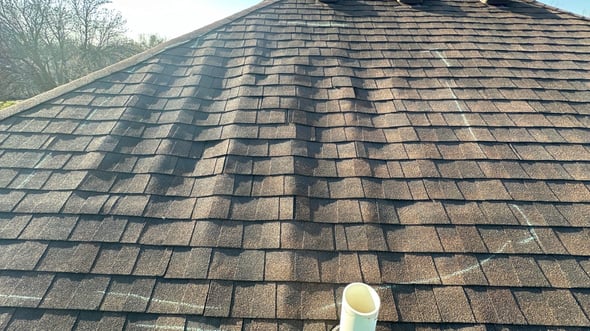
Below is a photo of a more extreme (and easily noticeable) case of warped decking, but deck damage cannot always be verified until the shingles are removed:
Can Permits and Inspections Delay Roofing Projects?
Permits and inspections can delay roofing projects, depending on your local municipality’s process. Some homeowners don’t realize this step exists until it slows things down.
If your area requires permits before work can begin, here’s how it works:
- Permit approval timelines: Some towns process permits quickly, while others take several days or longer. If you’re working with a local, reputable contractor, they should have a good understanding of the process for your town and how long it typically takes.
- Inspection scheduling: Certain projects require inspections before or after installation, which must be coordinated with local officials. This is more common for full roof replacements, projects involving structural repairs (like replacing roof decking), or when upgrades are needed to meet current building codes. Scheduling these inspections can sometimes delay the next step if inspectors aren’t immediately available.
Permit requirements and timelines can vary significantly by town. For example, the City of Naperville does not require a building permit for standard asphalt shingle roof replacements on single-family homes, as long as no structural changes are involved. However, other municipalities may have stricter requirements.
Experienced contractors should know what to expect when it comes to these requirements and how to ensure everything runs smoothly, minimizing the chances of delays caused by the permit process.
How Can I Reduce the Chances of My Roofing Project Being Delayed?
You can reduce delays by planning ahead for things you can control (like clearing driveway space for the crew on the day of installation), and working with your contractor to understand what to expect from your specific project.
While you can’t always control every part of the roofing process, you can minimize risk with the right approach. Here are practical ways to stay ahead of sudden delays:
- Schedule early: Start searching for contractors and book your project ahead of peak season whenever possible. Booking in the early summer or early fall can help you get ahead of the typical demand.
- Be flexible with timing: Build some buffer into your expectations for weather or delays. Most sudden delays won’t extend a project past an extra day or two, but it’s good to be overprepared in case something unexpected occurs.
- Work with an experienced contractor: A company that communicates clearly and plans well can help avoid unnecessary delays. As a rule of thumb, contractors who provide thorough inspections are generally much better prepared to accurately diagnose, quote, and complete roofing projects than those who do a quick roof check and give you a quote as fast as possible.
What Timeline Should You Expect from a Roofing Project?
Some level of uncertainty is normal with roofing projects, but delays feel far less stressful when you understand what’s causing them and what to expect next. A knowledgeable contractor who communicates clearly from the initial inspection to final cleanup can make that process much smoother.
If you want a clearer picture of how a roofing project should unfold from start to finish, the next step is understanding the roofing process itself. While we can’t speak for every contractor out there, we wrote an article outlining what our roofing process looks like here: What It’s Like to Work with Happy Roofing, where we walk through our timeline, communication approach, and what you can expect at each stage of your project.
If you’d prefer to talk through your situation directly, we offer no-commitment roof consultations where we’ll assess your roof, walk you through what we find, and give you our honest recommendations without any obligation to move forward with us.