Will Insurance Cover a Home With an Old Roof?
Is your roof starting to show its age, and now you're wondering if that's going to be a problem with your homeowners insurance? Maybe you're in the process of buying a home, and you're not sure if insurance coverage will be hard to secure with an older roof?
At Happy Roofing, we've replaced hundreds of roofs across the Naperville area and have seen firsthand how roof age can affect insurance coverage (and how confusing their standards can be). This is a common but rarely explained dilemma for both homebuyers and existing homeowners.
We wrote this article to give some clarity into how insurance companies look at roof age (and other factors) when considering coverage. In this article, you'll learn:
- What factors insurers care most about when assessing roof risk
- Whether insurance companies will cover homes with older roofs
- The biggest reasons insurance policies get denied or canceled over roofing issues
- How to proactively avoid surprises in coverage denial
By the end, you'll have the knowledge to confidently approach finding the right insurance policy for your home.
Table of Contents
- Why Roof Age Is Important to Insurance Companies
- Will Insurance Companies Cover an Old Roof?
- What to Do if Your Roof Is Denied Coverage
- Should You Replace Your Roof Before Shopping for Insurance Coverage?
- How to Verify the Condition of Your Roof
Why Does Roof Age Matter to Home Insurance Companies?
Older roofs (15+ years for asphalt shingle roofs) are more likely to leak, take damage under severe weather, or require frequent repairs, all of which increase the chances of a claim being filed. Many insurers either raise premiums, limit coverage, or deny policies altogether, but this decision shouldn't be based on age alone.
Insurance carriers are really looking at risk, and while age is a factor, it doesn't always tell the whole story. Some roofs can be structurally sound with plenty of life left at 20 years old, while others may experience leaks or material breakdowns at the same age.
Here's what insurers typically evaluate when considering coverage options and premium costs:
| Factor | What It Means for Your Roof Coverage |
|---|---|
| Roof Condition | Insurers look beyond age to assess the roof's visible condition. Signs like missing shingles, damaged gutters, or algae/moss buildup can suggest poor maintenance. Overall property upkeep, like overgrown trees or unkept landscaping, also influences their decision. |
| Roof Installation & Workmanship | Insurers don't usually assess original installation, but they do notice signs of poor workmanship during inspections (usually during claims or before issuing a new policy). Things like reused flashing, loose shingles, or uneven surfaces may raise concerns despite the roof's age. |
| Local Storm Exposure | In areas like Naperville and Chicagoland, frequent hail, wind, or heavy snow can indicate a higher risk. Insurers may raise premiums, limit coverage options, or require proof that your roof is structurally sound before approving or renewing a policy. |
| Claims History (Area-Wide) | High volumes of roof-related claims in your zip code or neighborhood can raise premiums and lead to stricter coverage terms. Even if your roof is in great condition, the area's risk profile impacts how insurers will approach coverage. |
Will Insurance Companies Cover a Home With an Old Roof?
Many insurance companies will still insure a home with an old roof, but it isn't always a straightforward process. Once your roof hits around 15-20 years old (depending on the material), you may face stricter requirements, limited coverage options, or higher premiums.
Some insurers may deny coverage altogether if the roof shows signs of wear, or if it (and the rest of the property) hasn't been properly maintained. That doesn't mean you're out of luck. It just means the roof may go under closer scrutiny.
Here are some things that could help get your roof approved when applying for homeowners insurance, regardless of age:
- A roof inspection report from a licensed roofing contractor: This provides insurers with a professional, third-party evaluation of your roof's current condition. It can help prove your roof is still structurally sound (even if it's older) and may prevent automatic denial or limited coverage.
- Photos or documentation showing the roof's condition and any recent repairs: Clear photos and repair receipts can show that you've taken care of issues like leaks, flashing, or missing shingles, if there were any. This demonstrates prompt maintenance, which can lead to better coverage terms or avoid costly exclusions.
- Proof of replacement if the roof was recently redone but records haven't been updated: Insurance providers often use public records to check a roof's relative age, but some systems may not immediately update. If you've had the roof replaced but your insurance company still sees an older install date on file, providing invoices or contractor documentation can correct their records. This can instantly improve your insurability and potentially lower your premiums.
How Can a Roof's Age Affect Insurance Coverage?
Age alone shouldn't lead to cancellation or denial of coverage, but it can lead to changes in how your home is insured. As your roof gets older, insurance companies begin to see it as a higher risk, even if it appears to be in good shape. Your insurer may adjust your policy to reduce its risk exposure.
Common adjustments insurers make for older roofs:
- Reduced coverage value: Instead of covering the full cost to replace your roof (Replacement Cost Value or RCV), insurers may switch to Actual Cash Value (ACV). This means they'll only pay what the roof is worth today after depreciation, which could leave you paying thousands out of pocket after a storm or other roof damage.
- Higher storm and wind damage deductibles: If your home is in a storm-prone area, your insurer may assign a separate (and often higher) deductible specifically for wind, hail, or other storm damage on older roofs.
- Policy non-renewal: In some cases, if the roof is considered too risky, the insurer may refuse to renew your policy at all. This is known as a non-renewal notice, and it typically means your insurance company is giving you a deadline to either replace the roof or make sufficient repairs. If you'd like to learn more about non-renewal notices and what you can do if you receive one, we wrote an article that goes into more detail about how to handle them.
- Conditional approval: Some companies may agree to provide coverage only if certain conditions are met, such as replacing damaged flashing, addressing leaks, or committing to a full roof replacement within a set timeframe. Rather than outright denying coverage, the provider uses conditional approvals to give homeowners an opportunity to correct any risks before coverage is granted.
Understanding these possible responses can help you plan ahead, avoid surprise denials or cancellations, and make informed decisions if you're shopping for new coverage or approaching renewal with an aging roof.
What Can You Do If Your Roof Is Denied Full Coverage?
The key is understanding why the denial happened and what you can do to either restore coverage or protect yourself financially. If your insurance company won't provide full coverage for your roof, or offers only Actual Cash Value (ACV) instead of Replacement Cost Value (RCV), you still have options.
Steps you can take:
- Get a professional roof inspection: A licensed roofing contractor can assess the condition of your roof and provide a report you can share with your insurer. If your roof is in better shape than they assumed, this may help you appeal the decision or get more favorable terms.
- Request clarification in writing: Ask your insurance company for a written explanation of why full coverage was denied. This will help you determine whether the issue is strictly age-related, relies on hard-to-verify methods like aerial images, or is tied to specific damage, wear, or materials.
- Make recommended repairs: If your insurer outlines certain issues, like missing shingles, flashing problems, or soft spots, you may be able to correct those and then request a re-inspection to reopen full coverage eligibility.
- Shop other insurance carriers: Not all insurers treat older roofs the same. Some are more lenient, especially if your roof is well-maintained. Comparing quotes and requirements can often help you find a better fit, but this is only a good idea if you believe the roof is structurally sound and you have the documentation to back that up.
- Plan financially for roof replacement: If your roof is nearing the end of its life and ACV is the only option, it might be time to start planning for a replacement. This not only restores coverage options but also protects your home from larger, more expensive issues later.
Being denied full coverage isn't always set in stone, but it is a signal that it's time to take action. And the sooner you do, the more control you'll have over your premiums, protection, and peace of mind. If you've been denied coverage or received a non-renewal notice from your existing insurance provider, this article we wrote has more information on what that means and steps you can take: Received a Roof Non-Renewal Notice from Your Insurer? Here's What to Do.
Should You Replace an Old Roof Before Shopping for Insurance?
You don't always have to replace an old roof before looking for a new insurance policy, and there are some factors you should consider before making the investment if you're not already prepared for a replacement.
The best answer depends on the roof's condition, your financial situation, and how insurers are likely to respond. Here's how to make a smart, strategic decision.
Signs It's Time to Replace Your Roof
Aged roofs typically show signs of wear that help signify it's time for a replacement. If your roof shows any of these warning signs, it may not only hurt your chances of getting insurance, but could also put your home at risk:
- Curling, cracked, or missing shingles can create entry points for water, leading to leaks, interior damage, and mold growth.
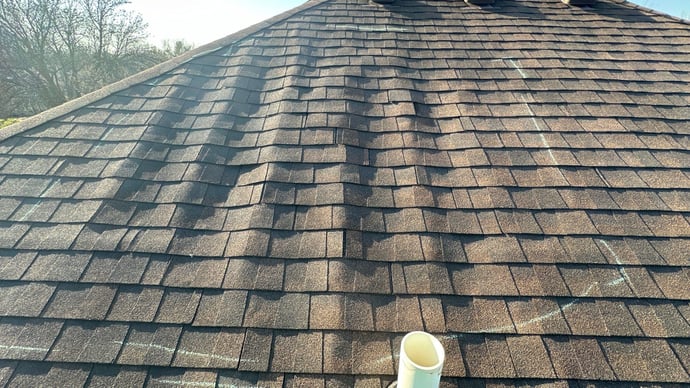
- Sagging areas or visible dips in the roofline can signify structural weakness, or rotted roof decking (the foundation of your roof, typically made from plywood, Oriented Strand Board, or wooden planks).
- Soft spots or signs of rot can be other signs of damaged roof decking and worn-out underlying materials.
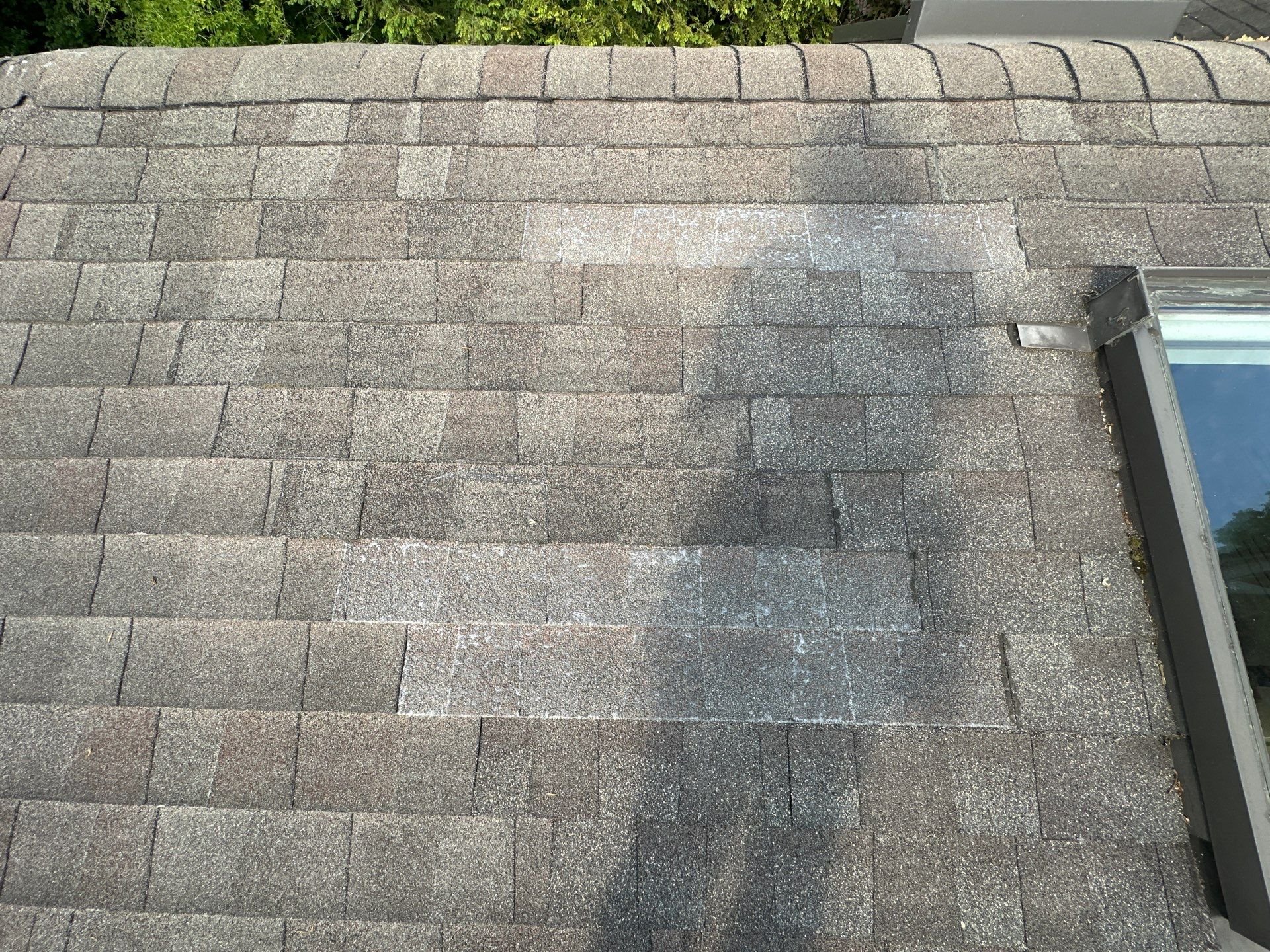
- Excessive granule loss or bare shingle patches leave asphalt shingles exposed to the environment. Granules are the protective coating that shields asphalt shingles and provides their color.
- Active leaks or interior water damage are a sign that your roof has already been compromised. This could be due to worn flashing, rotted decking, lifted shingles, or other material failure.
Below is an example of a roof with warped decking that has impacted the shingles and needs to be replaced:
Cost vs. Risk Comparison
Roof replacement isn't cheap, but the long-term risk of prolonging a replacement on an aged roof could be worse. The risk becomes higher if:
- You can only get Actual Cash Value coverage (meaning less payout if damage occurs)
- You're paying higher premiums or storm deductibles because of the roof's age
- You risk being dropped mid-policy due to age or condition
- A storm hits, and your claim is denied or underpaid because of prior roof wear
In many cases, replacing the roof can lower your premiums, open the door to better policies, and give you peace of mind. If you plan to stay in the home long-term, that investment can protect your equity and prevent costly emergencies. If it aligns with your long-term goals, replacement before renewing or applying for new coverage may be the best route if your roof is at the end of its serviceable life already.
Talk to Your Insurance Agent and Roofer
Before you make the call to replace, speak with both a trusted roofer and a knowledgeable insurance agent. Together, they can help you:
- Evaluate if replacement is necessary, or if repairs are enough to allow for good coverage. Having a trusted roofing contractor look over the roof can give you a solid understanding of the condition and life expectancy of the roof.
- Understand how a new roof affects rates. Your insurance agent may be able to outline your options depending on whether you replace the roof or not. Some impact-rated shingles qualify for premium discounts from certain providers, so if you're planning a replacement, it would be a good time to ask your agent about any offers they may have.
How to Verify the Condition of Your Roof
The best way to be sure of the health of your roof is to schedule a thorough roof inspection and document its condition in detail. Most reputable roofing companies will provide photo or video documentation when they assess your roof, and that's helpful for you and insurance companies for an accurate evaluation.
Whether you're renewing your current policy, shopping for a new one, or thinking about buying a home with an older roof, the key is to be proactive, not reactive. Insurance companies don't all treat roof age the same, and a roof that's 15-20+ years old doesn't automatically mean you're uninsurable. What matters more is the overall condition of your roof and the level of perceived risk to insurance providers.
If you're unsure whether your roof might raise red flags, or just want to get ahead of potential insurance issues, we offer no-commitment roof consultations to help you understand your roof's current condition, how insurers are likely to view it, and what steps you can take to protect your coverage and your home.