Can Roof Repairs Extend the Life of My Roof?
.jpg?width=1200&height=900&name=Copy%20of%20Untitled%20Design%20(4).jpg)
If you’ve noticed missing shingles, a small leak, or signs of wear on your roof, you’re probably wondering whether a repair is enough to solve the problem. It’s a fair question, especially when a new roof can be a significant investment.
The challenge is that there’s a lot of conflicting information out there. As a homeowner, it can be difficult to know which option makes the most sense for your roof, your budget, and your long-term plans.
At Happy Roofing, we’ve helped hundreds of homeowners throughout Naperville and the surrounding communities evaluate aging and damaged roofs. In many cases, a well-executed repair can add years to a roof’s lifespan. In others, repairs only delay a larger issue and end up costing more in the long run.
Before we go any further, we want to be clear that while we provide both roof repairs and roof replacements, not every roof needs a replacement, and not every roof is a good candidate for repair. Our goal is to help you understand when roof repairs make the most sense, so you can make the decision that’s best for your home if you’re getting conflicting advice.
In this article, you’ll learn whether roof repairs can successfully extend the life of a roof, the factors that determine whether a repair is worth the investment, and how to tell when replacement may be the smarter long-term choice. By the end, you’ll have a clearer understanding of your options and feel more confident about the next steps for your roof.
Key Takeaways
- Roof repairs can extend your roof's lifespan when the damage is isolated, and the overall roofing system is still in good condition.
- The age of the roof, extent of the damage, and condition of surrounding materials all play a major role in determining whether a repair is likely to provide long-term value.
- A quality repair addresses the root cause of the problem, not just the visible symptoms, helping prevent future issues from developing.
- Roof repairs don't reset the clock on your roof, but they can preserve the life that remains and help you avoid more extensive damage.
- The best way to determine whether a repair is worthwhile is through a professional roof assessment that evaluates the condition of the entire roofing system.
Table of Contents
- Can Roof Repairs Extend Your Roof's Life?
- What Determines How Effective a Roof Repair Is?
- How Many Years Can Repair Add to Your Roof's Life?
- How to Tell If Repair or Replacement Is Better for Your Roof
Are Roof Repairs Able to Extend the Life of Your Roof?
Roof repairs can extend the life of your roof when the damage is isolated and the underlying roofing system is still in good condition. While they won't reset the lifespan of your roof, proper repairs can help the roof reach its expected age.
A quality roof repair can address isolated damage, prevent water intrusion, and give your roof a better chance of reaching its expected lifespan than if the damage was left unaddressed. However, repairs are not a permanent solution for every roofing problem. If the roof is nearing the end of its life or has widespread issues, repairs may only provide a temporary fix.
In general, roof repairs are most effective when:
- The damage is localized: A couple missing shingles, an area with damaged flashing, or a small isolated leak can often be repaired successfully without the need to replace the entire roofing system.
- The roof still has plenty of life left: Roof repairs tend to make the most sense when the roof is relatively young and in otherwise good condition. Most asphalt shingle roofs last between 15 and 30 years, depending on the quality of the materials and installation. If your roof is less than 10 years old, a repair can often address the problem and help you get many more years out of the roof.
- The decking and structure are still sound: If moisture has not caused widespread rot or structural damage to the roof decking (the wooden foundation of your roof), repairs can often restore the roof’s ability to protect your home.
- The repair addresses the root cause: Fixing the actual source of the problem, rather than simply treating the symptoms, gives the repair a much better chance of extending the roof’s life. Your contractor should be able to explain why the problem occurred, and what can be done to correct it.
A quality repair should help preserve the integrity of the entire roofing system and prevent small issues from turning into much larger and more expensive problems. The condition of the roof as a whole matters just as much as the specific repair itself.
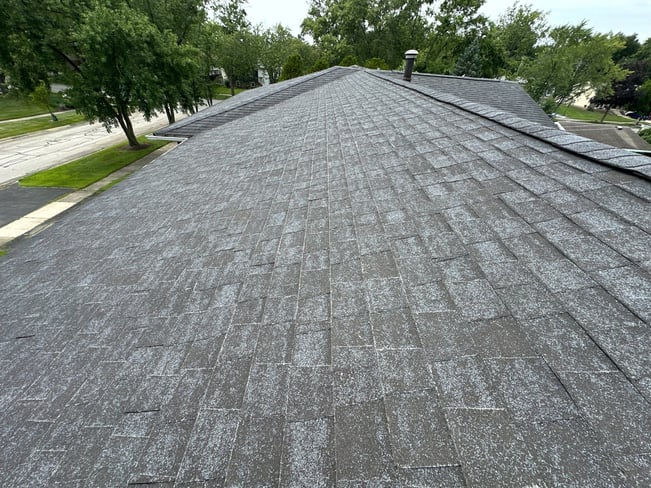
The photo below shows an example of widespread shingle wear that would rule out the possibility of repairs, given the extent of the damage:
What Determines How Effective a Roof Repair Will Be?
The effectiveness of a roof repair depends on the condition of the roof, the extent of the damage, and whether the underlying cause of the problem is properly addressed.
It’s difficult to accurately estimate how successful a roof repair will be without first evaluating the roof as a whole. The long-term results of a repair can vary depending on the overall health of the roofing system and source of the issue.
Several factors can influence how successful a repair will be:
- The age of the roof: Repairs generally perform better on newer roofs that still have a good amount of useful life remaining. If your roof is nearing the 15+ year mark, it may be worth considering replacement if you plan to keep the house long-term.
- The extent of the damage: Isolated issues are often easier and more cost-effective to repair successfully than widespread damage affecting multiple areas of the roof. For example, replacing a handful of shingles that blew off during a storm is very different from chasing dozens of repairs across multiple roof slopes. When damage is scattered throughout the roof, repair costs can add up quickly.
- The condition of surrounding materials: Even if one section is repaired, deteriorating shingles, flashing, or roof decking nearby can affect how well that repair performs over time. If the surrounding materials are already worn out or beginning to fail, the repaired area may still be vulnerable to future problems, limiting how much additional life the repair can realistically add to the roof.
- Ventilation and attic conditions: Poor ventilation can shorten the lifespan of roofing materials by trapping heat and moisture in the attic. Over time, this can cause shingles to age prematurely, contribute to moisture-related damage, and increase the likelihood of future roofing issues. If ventilation problems are left unaddressed, a repair may not solve the immediate problem.
- The quality of the repair itself: Using quality, compatible materials and correcting the root cause of the problem can significantly impact how long the repair lasts. A quality repair should address why the problem occurred, integrate properly with the existing roofing system, and help protect the surrounding materials from future damage.
Before deciding on a roof repair, it can be helpful to evaluate the overall condition of your roof. While every situation is unique and should be professionally evaluated, the questions below can help you determine whether a repair is likely to provide long-term value.
| Question to Ask Yourself | A Repair May Be Worthwhile If... | A Repair May Be Less Effective If... |
| How old is my roof? | The roof is relatively young and still has many years of expected life remaining. | The roof is approaching or exceeding its expected lifespan. |
| Is the damage isolated or widespread? | The problem is limited to one area of the roof. | Similar issues are appearing in multiple locations, or there is widespread damage. |
| Have I needed multiple repairs recently? | This is the first significant issue you've encountered. | Repairs are becoming more frequent or recurring. |
| Are the surrounding materials still in good condition? | Nearby shingles, flashing, and decking appear healthy. | The surrounding materials are showing signs of wear or deterioration. |
| Was the cause of the problem identified? | Your contractor can clearly explain what caused the issue and how the repair addresses it. | The repair only addresses the symptom without identifying the source. |
| Does the roof have ventilation or moisture issues? | The attic and ventilation system are functioning properly. | Excessive heat, moisture, or ventilation problems are contributing to roof deterioration. |
How Many Years Can a Roof Repair Realistically Add to Your Roof?
A roof repair can add anywhere from a few years to more than a decade to your roof’s lifespan, depending on the age of the roof, the extent of the damage, and the quality of the repair.
Unfortunately, there isn’t a universal answer. A repair performed on a relatively new roof with isolated damage may help that roof reach its full expected lifespan. The same repair performed on an aging roof with widespread wear may only buy a few additional years before more significant issues begin to appear.
In our experience, repairs tend to provide the most value when:
- The roof is still relatively young: A repair on a roof that’s 5-10 years old often has the potential to add many years of useful life.
- The issue is caught early: Addressing a small leak or damaged flashing before water can spread further helps prevent more extensive damage to the roofing system.
- The surrounding materials remain in good condition: Repairs generally last longer when the shingles, flashing, and decking around the repaired area are still performing as intended, and aren’t compromised during the repair process.
- The root cause is corrected: Repairs that address the underlying issue are far more likely to provide long-term results than repairs that simply address visible symptoms.
Roof repair doesn’t reset the clock on your roof, but it helps preserve the life that remains by preventing a localized issue from causing more widespread damage.
How Can You Tell If Roof Repair or Replacement Is Better for Your Roof?
A professional assessment is a great starting point to help you determine whether you should repair or replace your roof. The best option depends on the age of your roof, the extent of the damage, and the overall condition of the roofing system.
Roof repairs can be a great way to extend the life of your roof when the damage is isolated, and the roof still has plenty of useful life remaining. However, repairs become less effective when problems are widespread, surrounding materials are deteriorating, or the roof is approaching the end of its expected lifespan.
If you’re trying to determine which option makes the most sense for your home, we have an article outlining the differences between roof repair and roof replacement, including the factors homeowners should consider before making the decision: Roof Repair vs. Replacement: What Naperville Homeowners Need to Know.
If you’d like a professional assessment of your roof’s condition, we offer no-commitment roof consultations meant to give you insight into the health of your roof without the obligation to move forward with us. We’ll help you understand what’s causing the issue you’re experiencing, what options are available, and whether a repair is likely to provide the long-term results you’re looking for.



.jpg?width=700&name=Title%20Cover%20Template%20(11).jpg)