What Is a Roof Dead Valley, and How Can You Correct It?
If you’ve come across the term “dead valley” while researching an upcoming roofing project, you might be trying to figure out whether it’s something you need to worry about or just more roofing jargon.
Dead valleys can exist for years without issue, but under the right conditions, they can also become a common source of water buildup and leaks. The challenge is that they’re not always obvious, and not every contractor explains or addresses them the right way.
At Happy Roofing, we’ve inspected and repaired hundreds of roofs across the greater Naperville area. Roof design (and looking for dead valleys in particular) is something we regularly identify during roof inspections as part of our commitment to delivering long-lasting roof replacements.
In this article, you'll learn:
- What a roof dead valley is, and how it can affect your roof
- How to identify potential dead valleys
- What your options are if your home has one
By the end, you’ll have a clear understanding of how dead valleys impact your roof and what the right next step is for your situation.
Table of Contents
- The Problem With Dead Valleys
- Identifying Dead Valleys on Your Roof
- Fixing Dead Valleys
- What to Do If You Have a Dead Valley
What Is a Roof Dead Valley?
A roof dead valley is a section of a roof where two slopes meet (forming a valley), but water can't properly drain, collecting over time. Dead valleys are typically due to the design of the roof, where the way the slopes meet or how they terminate prevents water from flowing properly.
In a normal roof valley, water clearly flows down and off the roof without issue. With a dead valley, that doesn’t happen, and instead:
- Water slows down or sits in the valley instead of shedding off the roof
- Debris, like leaves and dirt, can build up and further block drainage
- Premature damage to shingles could occur
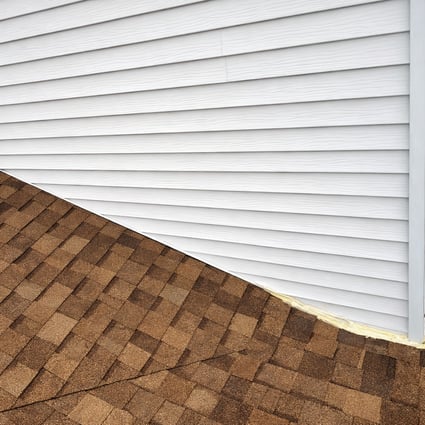
Below is a good example of a dead valley, as water and debris can catch at the corner where the valley meets the wall:
Why Are Roof Dead Valleys a Problem?
When water can't freely move through a valley and drain properly off the roof, it increases the likelihood of problems like shingle wear and leaks over time.
If your roof has dead valleys, you may start to see issues like:
- Water pooling in specific areas of your roof: Because water doesn’t have a clear path off the roof, it slows down and begins to collect instead of draining. This is especially noticeable during heavy rain or after storms.
- Debris collecting and negatively impacting drainage: When water isn’t moving efficiently, it becomes easier for leaves, dirt, and granules to settle in the valley. Over time, that buildup can partially block the flow, making it even harder for water to escape.
- Ice buildup that can push water under shingles: In colder weather, standing water in these areas can freeze. As ice builds up, it prevents proper drainage and can force water backward, allowing it to work its way underneath shingles and into the roof system.
Dead valleys don’t always cause problems right away, but they’re something contractors should look for because, over time, water or ice buildup can start to damage the shingles and lead to roof leaks.
How Can You Tell If Your Roof Has Any Dead Valleys?
Dead valleys aren’t always easy to spot. In general, if an area appears too flat or doesn’t provide a clear path for drainage, it may be identified as a dead valley. Most roofing contractors can spot these during an inspection by looking at how water is likely to flow across the roof.
You may have a dead valley if you notice:
- A valley that runs into a wall or dead-ends instead of continuing off the roof: Valleys are supposed to carry water down and out. If a valley stops or runs into a vertical surface, water or debris can get trapped there instead of draining off the roof.
- Areas where two roof sections meet but look flat or boxed in: If the transition between roof sections doesn’t create a clear slope downward, water may not have a defined path to follow.
- Sections where water would have to “change direction” to drain: Water should flow naturally downhill. If the design forces it to slow down, turn, or spread out, that area is more likely to hold water.
- Valleys with visible debris or standing water: Consistent buildup in the same spot is often a sign that water isn’t moving through the valley properly. If you notice a buildup of debris or standing water after rainfalls, your roof likely has a dead valley.
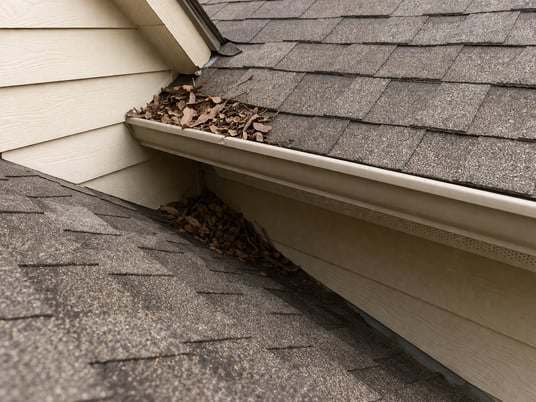
The example below is a more obvious case, but it's a good visual to demonstrate how debris buildup can help you identify dead valleys on your roof:
How Can You Fix Dead Valleys?
In most cases, fixing a dead valley comes down to helping water move off the roof the way it’s supposed to. How that’s done depends on the specific layout of the roof, but the goal is always the same: eliminate areas where water or debris can sit and create a clear path for drainage.
Some of the most common ways drainage is improved include:
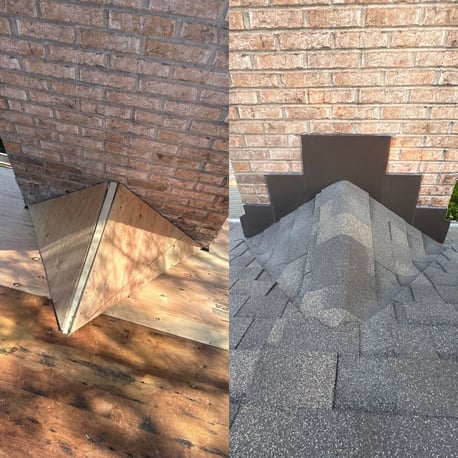
- Installing a cricket: A cricket is designed to redirect water away from problem areas by creating a slope where there wasn’t one before. It’s typically a small, raised section of roofing, almost like a subtle ramp, that sits behind or between roof features (like walls or chimneys) to help guide water around them instead of letting it collect.
- Adding a valley pan or valley flashing: In certain situations, roofers will install a metal lining (called a valley pan or valley flashing) to help channel water through the valley and prevent buildup. These are installed in the channel that the valley creates, and help debris clear out of those valleys more easily.
- Reworking the valley to improve drainage: In some cases, the valley itself needs to be adjusted so water can actually flow out rather than slow down. This may involve changing how the valley is positioned or how it ties into surrounding roof sections by altering the roof’s foundation.
- Using more waterproof materials in problem areas: Materials like torch-down roofing or metal should be used instead of shingles to handle moisture better in areas prone to standing water. Torch-down roofing is a type of asphalt-based roofing material that’s heat-applied and creates a sealed, waterproof surface, making it better suited for areas where water may sit longer than usual.
Below is an example of how a cricket can help redirect water away from vulnerable areas and improve drainage. This is from a project we recently completed, where we noticed water and debris getting caught on the chimney. Adding a cricket to improve drainage remedied the issue:
What to Do If You Have a Roof Dead Valley
Your roof having a dead valley doesn’t automatically mean there’s a serious problem. However, if you’re experiencing leaks, noticing water or debris collecting in certain areas, or simply want to be proactive, it’s worth having a reputable contractor take a look.
Dead valleys can increase the likelihood of issues over time, especially if you’re already seeing signs like pooling water, buildup, or early wear. A good contractor should be able to walk you through what they find and make tailored recommendations based on that.
If you're looking for clarity regarding the overall health of your roof, we offer no-commitment consultations meant to assess its condition and walk you through your options without the obligation to move forward with us.