Which Roof Upgrades Are Actually Worth the Money?
When it comes to replacing your roof, it's easy to get overwhelmed by all the optional features contractors might suggest. Oftentimes, homeowners are left wondering: Are these just upsells, or do they actually make a difference?
At Happy Roofing, we've seen firsthand which roofing features truly pay off, whether through better weather protection, longer lifespan, or fewer future issues. We've worked with hundreds of homeowners across the greater Naperville area, and our recommendations are based on what we've experienced across our roof inspections and projects.
We don't believe in pushing add-ons just to raise your bill, but there are a few optional upgrades that we'd always recommend to any homeowner who values long-term durability and plans to keep their home for the foreseeable future.
In this article, we'll walk you through:
- The top optional roofing features we recommend to homeowners
- Why we think these upgrades are worth the investment
- How to choose what's right for you based on your priorities as a homeowner
By the end, you'll have a clear understanding of which roofing options can prove to be valuable, so you can decide whether they're worth it for you.
Table of Contents:
- What Are Optional Roofing Upgrades?
- Which Upgrades Are Worth the Money?
- What Factors Make a Roof Replacement Last?
What Are Optional Roofing Upgrades?
Optional roofing features are enhancements that go beyond the basic materials required for a roof replacement. They're not always necessary for every home, but in certain situations, they can provide added protection, a longer lifespan, and lower maintenance over time.
These features include things like:
- Upgraded underlayments (such as high-quality synthetic options)
- Improved ventilation systems (like using insulation baffles for better airflow)
- Class 3 or 4 impact-rated shingles (for better durability in storm-prone areas)
- Flashing upgrades (like W-valley metal flashings that help direct water down the roof and away from vulnerable seams)
Some of these options can prove to be good investments, especially in climates like Illinois, where hail, snow, and heavy rain can take a toll on your roof over time. But while they can greatly benefit the performance of your roof, not all of them are necessary for every homeowner.
Which Roofing Upgrades Are Worth It?
After hundreds of roof installations, the top optional features we recommend most often are rubberized asphalt shingles, insulation baffles, W-valley metal flashing, and a better pipe boot solution, such as the Happy Boot (Ultimate Pipe Flashing).
The roofing upgrades that tend to deliver the most value over time are the ones that either improve long-term protection or prevent common failure points. The true value of these optional features depends on your long-term goals and priorities as a homeowner.
Below, we'll explain why we believe these roofing features are worth it, so you can decide whether they could benefit you and your home.
What Are Rubberized Asphalt Shingles?
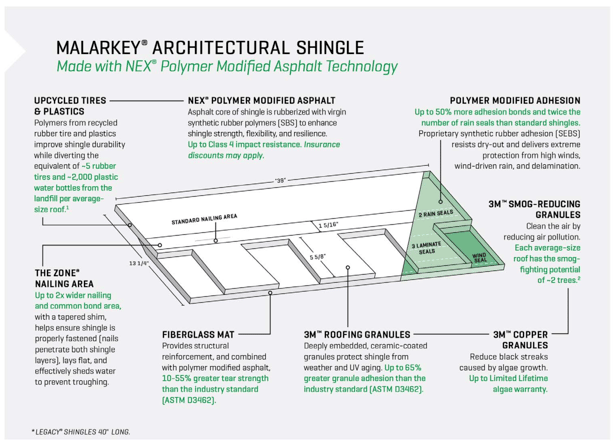
Rubberized asphalt shingles (also called SBS-modified shingles) are engineered with a flexible, rubber-like polymer that makes them more resistant to cracking, impact, and thermal movement than traditional asphalt shingles. We've included a breakdown of Malarkey's shingle construction to demonstrate the rubberized asphalt construction:
Why we recommend them:
- They flex instead of crack: Under typical impacts like hail strikes, rubberized shingles are flexible enough to bend and rebound, minimizing damage from environmental factors.
- Handles extreme temperature swings: Rubberized shingles expand and contract more effectively during Illinois' cold winters and hot summers, reducing the risk of cracking, splitting, or premature seal (adhesive) failure over time.
- Potential insurance savings: Many rubberized shingles are Class 3 or 4 impact-rated, which can qualify them for insurance premium savings from some providers
What Does it Cost to Upgrade?
Highlander shingles are around $130 per square (1 square is equal to 100 square feet, with the typical Naperville roof averaging 20-30 squares). As Malarkey's "entry-level" shingle option, they feature a Class 3 impact rating and a rubberized asphalt construction that offers better impact absorption, thermal flexibility, and long-term durability in climates like Illinois.
To help put the cost difference into perspective, GAF Timberline HDZ shingles (standard laminated architectural shingles) run about $90-$110 per square. They're not made from rubberized asphalt, but their impact rating still provides great protection and durability for the Northern Illinois environment.
A non-impact-rated shingle option, like basic 3-tab shingles, can typically be found for around $80–$100 per square. While this might save you a little up front, these shingles offer the least protection and the shortest lifespan. With today's options, there are far more durable and cost-effective choices for long-term value, like architectural shingles (the two examples above).
What Are Insulation Baffles?
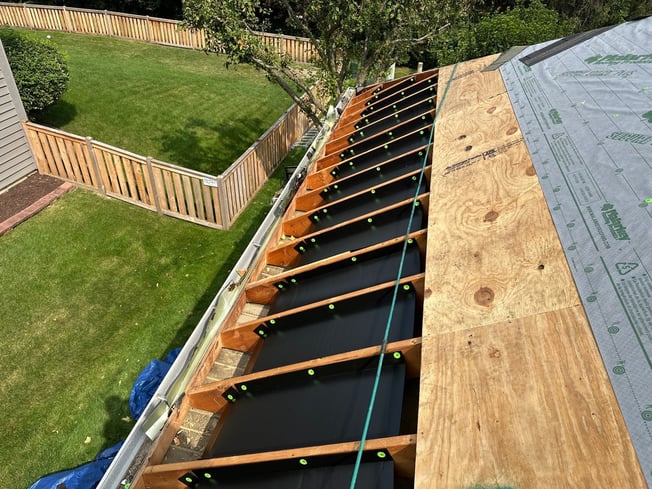
Insulation baffles (we use SmartBaffles) are ventilation inserts installed in between the rafters that ensure a consistent and unobstructed flow of air through the attic or roof space. They prevent insulation from blocking intake vents, which is a common problem in many homes, especially those with loose-fill insulation or poorly maintained attic systems.
Why we recommend them:
- They protect your attic ventilation system: Without baffles, insulation can shift and block airflow from the soffits. This lack of airflow can lead to moisture buildup, heat retention, and even ice damming (a buildup of ice on the edges of the roof) in winter.
- They can extend the life of your roof: By keeping attic air flowing properly, baffles support a balanced ventilation system, which reduces the chance of premature shingle aging and moisture-related damage to your roof deck, like wood rotting or mold.
- They improve energy efficiency: Maintaining airflow through your attic helps regulate indoor temperatures year-round, potentially reducing strain on your HVAC system and supporting lower energy bills over time.
Below is a photo of insulation baffles during one of our roof installations:
What Does it Cost to Upgrade?
SmartBaffles cost about $24 per piece and are typically installed in every other rafter bay. For a standard home in Naperville, the total cost to add this upgrade is usually between $400 and $600, depending on the roof's size, design, and homeowner's preference (some homeowners have requested baffles in every rafter bay).
SmartBaffles aren't the only insulation baffle option out there, but we like them because they're a near perfect fit and are able to be secured directly to the rafters. This reduces the likelihood of shifting and causing more blockages within the space where air should freely flow.
What Are W-Valley Metal Flashings?
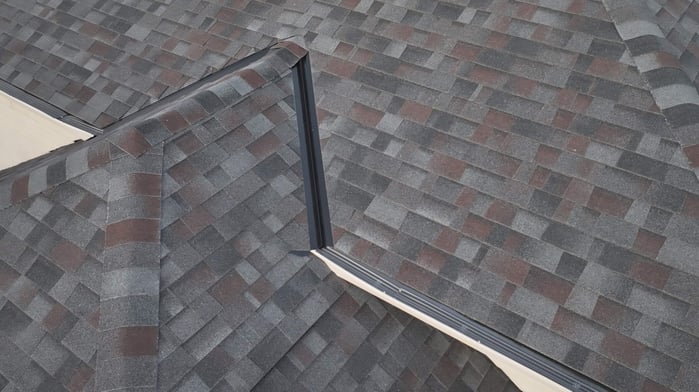
W-valley flashings are pre-formed metal strips installed in roof valleys (the areas where two roof slopes meet) and look like a 'W' before installed. Instead of relying solely on overlapping shingles, W-valley flashing creates a sealed channel that directs water down and away from vulnerable seams.
Why we recommend them:
- They provide superior leak protection: Roof valleys naturally collect and funnel large volumes of water. A W-valley metal flashing system ensures better water flow and helps prevent moisture intrusion over time, especially after repeated heavy rain or ice melt.
- They add structure and durability: The rigid metal base resists warping and wear. It's not uncommon to see these issues with standard overlapped shingle valleys before other areas of the same roof, due to the constant water exposure.
- They offer a distinctive look: W-valley flashings can create a clean, modern aesthetic that some homeowners may prefer over traditional shingle-weaved valleys. If visual detail is important to you (especially on roofs with prominent valley lines), this upgrade can add subtle curb appeal along with the added protection.
Below is an example of a roof we installed with valley flashings:
What Does it Cost to Upgrade?
The pricing for W-valley installations typically sits between $1,000-$1300, depending on roof size and design. With the average roof replacement in Naperville costing $18,000-$25,000, this upgrade adds roughly 6-7% to the overall project total. For homeowners who want added peace of mind in a known problem area of the roof, it's a smart investment that supports long-term roof performance, but it isn't a necessity in our climate.
What Is a Better Pipe Boot Solution for Roof Penetrations?
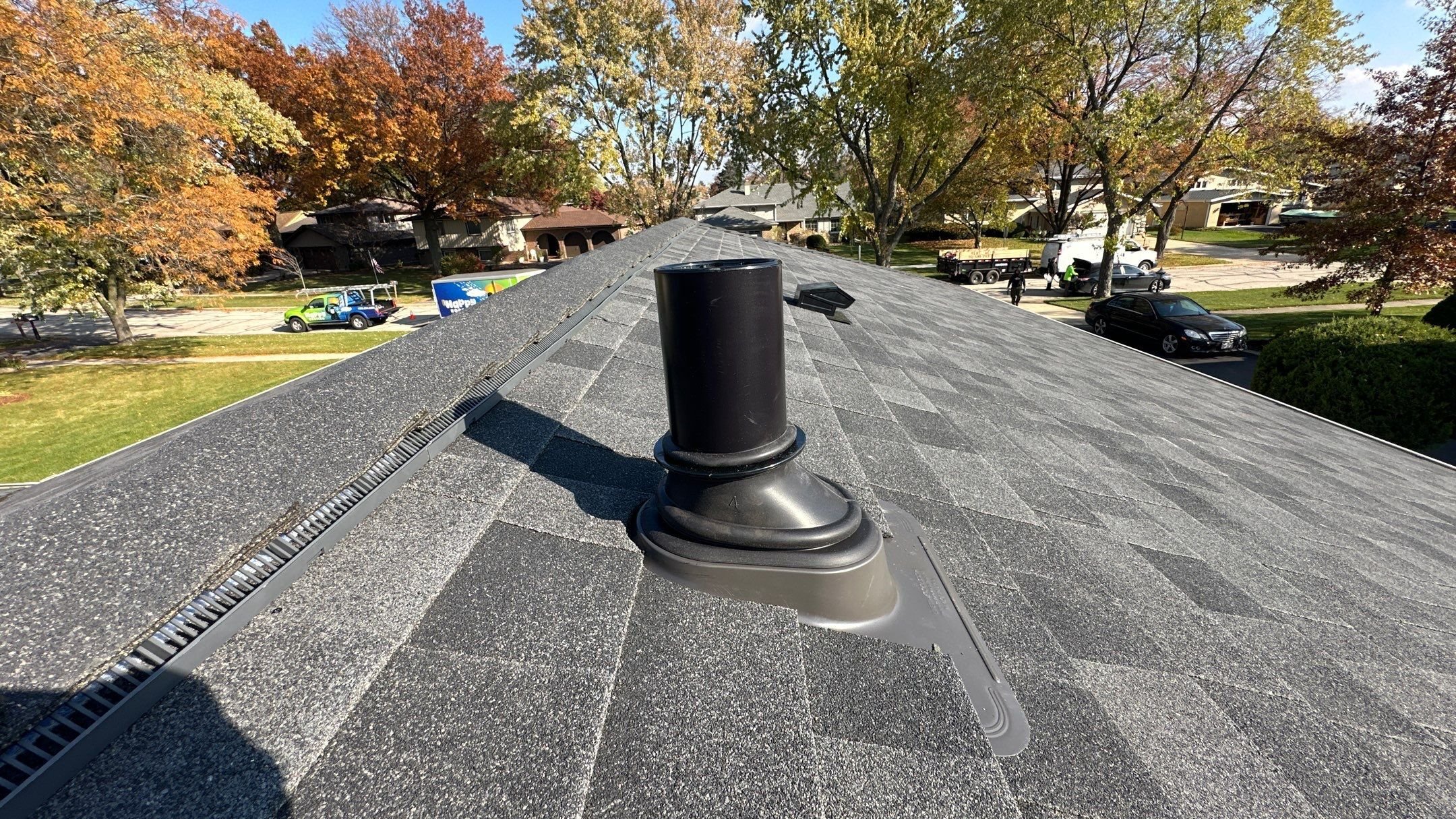
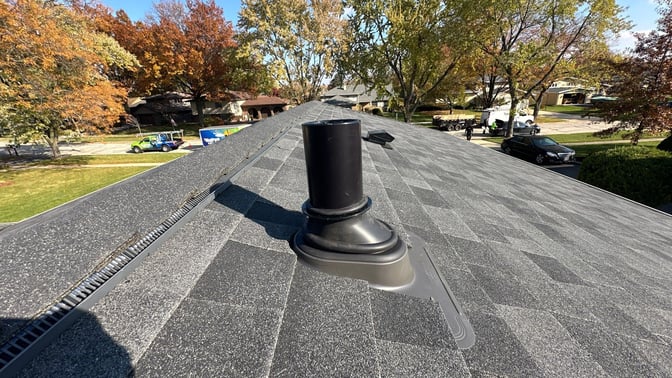
We like to use an upgraded boot system that is better suited to last the life of the roof, offers better sealing, and (in our opinion) improved aesthetics. It's called the Ultimate Pipe Flashing, but internally, we call it "The Happy Boot."
One of the most overlooked failure points on a roof is the flashing around plumbing vents (the rubber or metal collar that seals around pipes coming up through your roof). Typical pipe flashing lasts around 10 years, about 10-15 years less than the life expectancy of an asphalt shingle roof. Over time, these standard boots can crack, dry out, or pull away from the pipe, leading to leaks that are hard to spot until damage is done.
Why we recommend it:
- It lasts longer in real conditions: Traditional rubber boots dry out in the sun or crack in freezing temps. The Ultimate Pipe Flashing uses UV-stable silicone, which lasts longer and holds up far better in seasonal temperature swings.
- It stays sealed through movement: Pipes can expand and contract with temperature changes. The flexible interior and reinforced base of the Ultimate Pipe Flashing maintain a tight seal, even as the roof and plumbing shift slightly over time.
- It can reduce leak risk: These pipe flashings are one of the most common failure points we see on roofs. The Ultimate Pipe Flashing solves the problem at its root, helping homeowners avoid premature repairs down the line.
An example of the Ultimate Pipe Flashing can be found below:
What Does it Cost to Upgrade?
The Ultimate Pipe Flashing (Happy Boot) adds around $105 per boot, with most roofs requiring two pipe boots on average. While it's a small detail, it solves one of the most common and frustrating post-installation issues we see on roofs - and for some homeowners, it can a worthwhile upgrade for the peace of mind alone.
What Makes a Roof Replacement Last?
A long-lasting roof replacement comes down to proper installation. Even the best materials can fail early if they're installed poorly or incorrectly. The real difference in roof longevity comes from how well the entire roof system (shingles, underlayment, decking, ventilation) is built to handle water, temperature swings, and long-term wear.
Whether it's a better vent boot, enhanced valley protection, or improved attic airflow, the features we've outlined here are ones we recommend because they solve real problems we've seen over and over again on Illinois roofs. However, they won't make up for a poor roof installation.
If you'd like to learn more about what factors contribute to the longevity of a roof replacement, read our next article: What Really Makes a Roof Last? A Homeowner's Guide to a Long-Lasting Roof Replacement.
If you'd like a ballpark roof replacement estimate for your home without needing to call anyone, our instant roof estimator tool is meant to provide you with a basic price reference tailored to your roof. Simply answer a few questions about your roof, and our instant quote software will calculate a ballpark estimate for your project within minutes.




.jpg?width=700&name=Title%20Cover%20Template%20(11).jpg)