What Are the Most Overlooked Causes of Roof Damage?
.jpg?width=1200&height=900&name=Title%20Cover%20Template%20(3).jpg)
Most homeowners know that large hail, strong winds, and fallen tree branches can damage a roof. But some of the biggest threats to a roof are much less obvious.
Things like poor attic ventilation, clogged gutters, trapped moisture, and wildlife can slowly wear down a roofing system over time. The challenge is that by the time those symptoms appear, the underlying issue may have been developing for months or even years.
At Happy Roofing, we’ve helped hundreds of homeowners throughout Naperville and the surrounding area identify roofing problems before they turned into major repairs. Throughout our time servicing the area, we’ve seen firsthand which issues are most likely to shorten the life of a roof and lead to unexpected expenses.
In this article, we’ll cover some of the most overlooked contributors to roof damage, why they matter, and how to spot potential problems before they become costly repairs. Whether your roof is brand new or nearing the end of its lifespan, understanding these risks can help you protect your home and avoid surprises.
Key Takeaways
- A roof can have hidden damage even if it isn't leaking. Many roofing problems develop gradually and don't show obvious signs until they've become more serious.
- Poor attic ventilation, damaged flashing, clogged gutters, overgrown trees, and wildlife are some of the most overlooked causes of roof damage.
- Many common roofing issues are preventable with routine maintenance and regular inspections. Addressing small problems early can help extend the life of your roof and reduce repair costs.
- If you're concerned about your roof's condition, a professional inspection can identify hidden problems before they turn into costly repairs.
Table of Contents
- Can Your Roof Be Damaged Even If It Isn't Leaking?
- The Most Overlooked Causes of Roof Damage
- What to Do If You're Concerned About Your Roof's Health
Can Your Roof Be Damaged Even If It’s Not Leaking?
In some cases, roof damage can begin long before a homeowner notices a leak.
One of the biggest misconceptions about roofing is that no leak means no problem. While an active leak is certainly a sign that something is wrong, it’s often one of the last signs to appear. By the time water makes its way into your home, the underlying issue may have been developing for months or even years.
A roofing system is composed of much more than just shingles. Components like flashing, underlayment, roof decking, ventilation, and gutters all work together to protect your home. When one of those components begins to fail, damage can occur even if water hasn’t yet reached your ceilings or walls.
Some common examples of roof problems that are often harder to notice are:
- Poor attic ventilation: Excess heat and moisture caught in the attic can cause shingles to age faster than intended, reducing the overall lifespan of the roof.
- Moisture trapped beneath roofing materials: Small amounts of moisture can become trapped within the roofing system and slowly damage underlying materials without immediately showing any visible signs inside the home.
- Wildlife activity: Animals can loosen shingles, damage flashing, or create small openings that may not leak right away but can lead to problems over time.
Because not every roofing problem comes with obvious warning signs, homeowners are often unaware that damage is occurring until it becomes a much larger issue.
Many of these problems can be identified early if you know what to look for. Understanding the most common causes of roof damage can help you stay ahead of potential issues and avoid costly surprises down the road.
What Are the Most Overlooked Causes of Roof Damage?
While hail and wind are often responsible for sudden damage, many roofing problems develop gradually due to moisture buildup, poor ventilation, lack of maintenance, or normal wear and tear over time.
Roof damage can come from a variety of sources, and not all of them are related to severe weather. In fact, some of the most expensive roofing repairs we encounter started as relatively minor issues that homeowners didn’t realize were affecting their roof.
How Does Poor Attic Ventilation Affect a Roof?
Proper attic ventilation helps regulate both heat and moisture levels inside your home. When ventilation isn’t working as it should, excess heat and humidity can become trapped in the attic, creating conditions that can shorten the lifespan of your roof.
Throughout the year, everyday activities like cooking, showering, and doing laundry generate moisture inside the home. A properly ventilated attic helps remove that moisture before it can accumulate.
When ventilation is inadequate, it can lead to problems such as:
- Mold and mildew growth: Excess humidity creates an environment where mold can develop on wood surfaces (like the roof decking) and even the insulation. Excessive mold growth can be difficult to fully remove and can be a health concern if it’s left to spread.
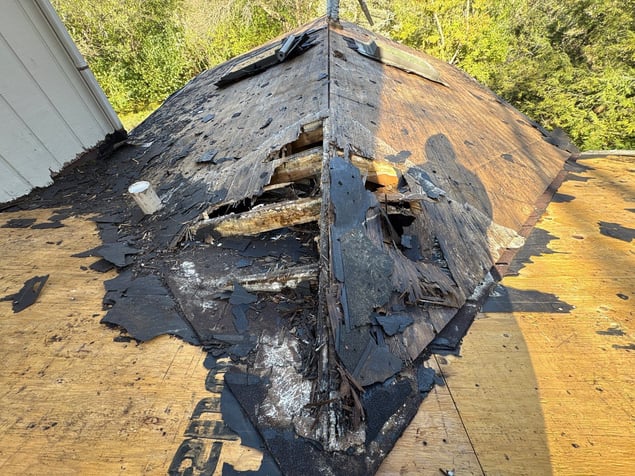
- Wood rot: Prolonged moisture exposure can gradually weaken roof decking and other structural components. If the problem persists, the wood can warp so much that visible ripples can be seen from outside the home, causing shingles to shift or lift, and could create a path for water to enter the home during rainfall.
- Reduced insulation performance: Accumulated moisture can cause condensation to drip onto insulation. Damp insulation often becomes less effective, which can impact your home’s energy efficiency and energy bills.
- Ice dam formation: During cold Illinois winters, poor ventilation can contribute to uneven roof temperatures that increase the risk of ice dams along the roof’s edge. Ice dams occur when heat escaping from the attic causes snow on the roof to melt. As that water reaches the colder roof edge, it refreezes and creates a ridge of ice that can trap water behind it, increasing the risk of roof leaks and moisture damage.
Because ventilation problems typically develop out of sight, many homeowners don’t realize there’s an issue until a roofing contractor identifies it during an inspection. In some cases, correcting ventilation issues can help extend the life of a roof and prevent larger problems from developing in the future.
Below is an example from one of our projects where poor ventilation in this area of the roof caused the decking to wear significantly, requiring replacement:
How Can Damaged Flashing Lead to Roof Problems?
Flashing is designed to keep water out of the most vulnerable areas of your roof. When it becomes damaged, loose, or deteriorated, water can find its way beneath your roofing materials even if the surrounding shingles appear to be in good condition.
Flashing is typically installed around areas where the roof changes direction or where something passes through it, such as chimneys, skylights, plumbing vents, and roof-to-wall intersections. These are some of the most common places for roof leaks to develop because they rely on properly installed flashing to remain watertight.
Over time, flashing can become damaged for several reasons, including:
- Age and weather exposure: Years of exposure to sunlight, rain, snow, and temperature fluctuations can cause flashing materials and sealants to deteriorate.
- Storm damage: High winds, hail, and falling branches can bend, loosen, or dislodge flashing, creating small gaps where water can enter.
- Improper installation: Flashing that wasn’t installed correctly during the original roof installation or a previous repair may fail long before the rest of the roof reaches the end of its lifespan.
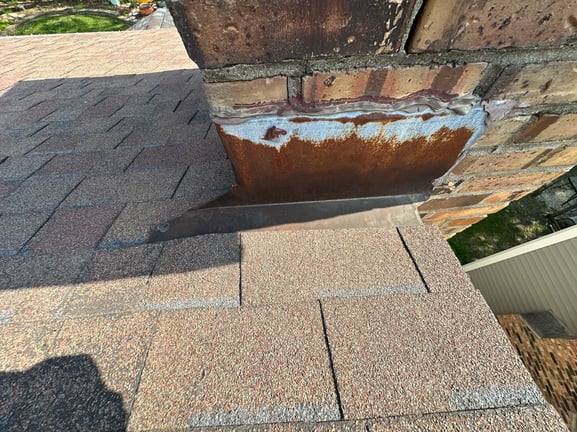
- Rust and corrosion: Some metal flashing materials can corrode over time, especially if protective coatings wear away or water remains trapped against the metal.
It can be difficult to notice any flashing deterioration or damage from the ground, but during a professional roof inspection, these areas should be carefully examined since they are among the most common sources of hidden roof damage.
Below is an example of worn chimney flashing that could allow water through into the home if left alone:
How Can Clogged Gutters Affect Your Roof?
The primary job of gutters is to collect rainwater and direct it safely away from your roof, siding, and foundation. When gutters become clogged with leaves, twigs, and other debris, the water has nowhere to go. Instead, it can begin backing up onto the roof and overflowing around the home.
Over time, clogged gutters can contribute to several problems, including:
- Damage to the roof edge and fascia: Water that continually backs up near the roofline can cause the fascia boards behind the gutters to rot and deteriorate.
- Premature shingle deterioration: Standing water can keep portions of the roof wet longer than intended, which may accelerate wear on roofing materials.
- Foundation and drainage issues: When gutters overflow, large amounts of water can collect around the foundation instead of being carried away from the home. Over time, this can contribute to soil erosion, basement moisture issues, and drainage problems around the property.
- Pest activity: Gutters filled with wet debris can create an attractive environment for insects, birds, and other pests that may eventually find their way onto or into the home.
Fortunately, this is one of the easier roofing risks to address. Regular gutter cleaning and inspections can help ensure water is flowing properly and reduce the likelihood of moisture-related damage developing over time.
How Can Overgrown Trees Cause Roof Damage?
Overgrown trees can damage a roof by scraping shingles, dropping debris that traps moisture, and creating conditions that encourage organic (moss, lichen, algae) growth and wildlife activity.
In many established neighborhoods throughout Naperville and the surrounding areas, mature trees provide plenty of shade but can also increase the risk of roof damage if they’re not properly maintained.
Some of the most common issues include:
- Physical damage to shingles: During windy conditions, branches can rub against roofing materials and gradually wear away the protective granules that help shield shingles from the elements.
- Falling limbs and debris: Even small branches can damage shingles, gutters, flashing, and roof vents when they fall. The risk becomes even greater during storms, when weakened limbs are more likely to break.
- Moisture retention: Leaves, twigs, and other debris often accumulate in areas where branches overhang the roof. This debris can trap moisture against roofing materials, creating conditions that may accelerate deterioration.
- Increased lichen, moss, and algae growth: Shaded areas created by nearby trees tend to stay damp longer after rainfall. Over time, this can encourage moss and algae growth on the roof. While algae is typically a cosmetic issue, moss and lichen can retain moisture against the roof and, if left untreated, contribute to premature shingle deterioration over time.
- Easier access for wildlife: Branches that extend close to the roof can act like a bridge for squirrels, raccoons, birds, and other animals looking for a way onto your home. Birds may also nest on or near the roof, leaving behind nesting materials and droppings that can stain roofing materials over time.
Not every tree near a home is a roofing hazard. However, branches that touch the roof or hang directly above it should be monitored and trimmed as needed. Regular tree maintenance can help reduce the risk of both sudden storm damage and the slower forms of deterioration that often go unnoticed.
How Can Animals Damage Your Roof?
If they find an easy path onto your roof, animals may begin pulling at shingles, chewing through roofing components, or widening small openings that already exist. Squirrels, raccoons, birds, and other wildlife are often looking for food, warmth, or a place to build a nest.
Some of the most common forms of wildlife-related roof damage include:
- Damaged shingles and flashing: Animals may pull up or tear roofing materials while trying to enter the home, leaving the roof more vulnerable to water intrusion.
- Chewed soffits, fascia, and vents: Squirrels and other rodents are known to chew through wood, aluminum, lead, and even some plastic vent covers to gain access to a safe place to nest.
- Blocked roof vents: Birds frequently build nests inside roof vents and exhaust openings. These nests can restrict airflow and, in some cases, allow moisture to build up inside the attic. They may also gather on nearby branches or roof-mounted fixtures, leaving behind nesting materials and droppings that can create additional maintenance concerns.
- Water intrusion: Even a small opening created by wildlife can allow rainwater to enter the roofing system, leading to wood rot, mold growth, and other moisture-related problems over time.
Because wildlife damage often starts small, it’s easy to overlook during a quick glance from the ground. Strange noises in the attic, nesting materials around roof vents, or visible damage near the roofline are all signs that it’s worth taking a closer look.
Trimming back tree branches, keeping roof penetrations in good condition, and addressing small openings before animals find them can go a long way toward preventing more costly repairs.
What Should You Do If You’re Concerned About Roof Damage?
If you think your roof may have hidden damage, the best thing you can do for answers is to have it professionally inspected.
As you’ve learned throughout this article, many roofing problems don’t begin with obvious warning signs like leaks or missing shingles. Issues such as poor ventilation, damaged flashing, clogged gutters, or wildlife activity can develop gradually, making them difficult to identify from the ground.
A professional roof inspection can help uncover these problems before they spread or become more expensive to repair. In many cases, catching an issue early can extend the life of your roof and help you avoid unnecessary damage to other parts of your home.
If you’re looking for clear insight into the health of your roof, you can schedule a no-obligation roof consultation with our team. We’ll assess your roof, explain any issues we find, and help you understand your options so you can make the decision that’s right for your home, whether you decide to move forward with us or not.