What Is Being Replaced When I Get a “New Roof”?
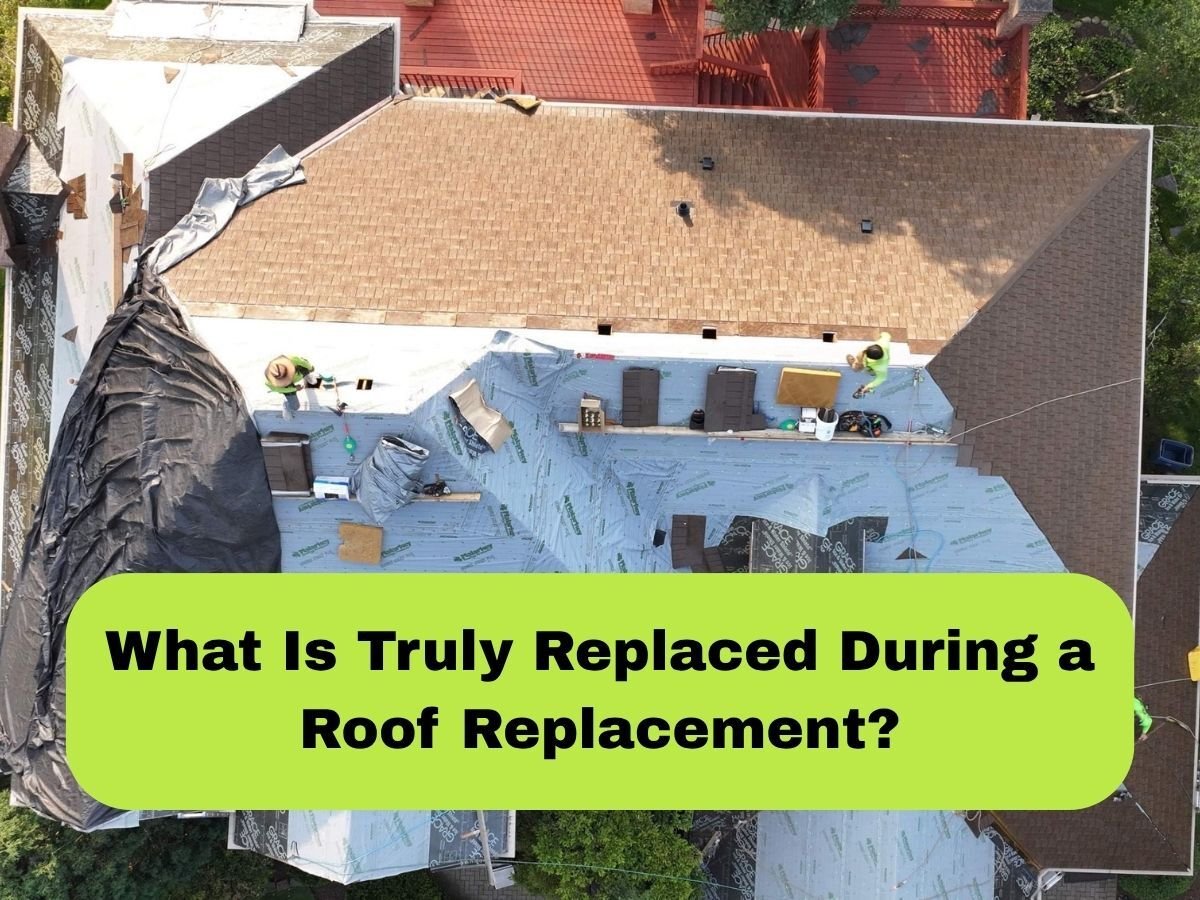
“New roof” seems like a straightforward term, but not every roofing contractor uses it the same way.
Depending on the contractor you speak to and the condition of your existing roof, a roof replacement can entail two entirely different things. Components like flashing, ventilation, underlayment, and even sections of roof decking may also be replaced. In other cases, some materials are reused.
At Happy Roofing, we’ve completed hundreds of roof replacements throughout the greater Naperville area and have seen firsthand how inconsistent a contractor’s definition of a roof replacement can be. Neither approach is automatically right or wrong, but homeowners deserve to know what they’re paying for before agreeing to any work.
In this article, we’ll explain what parts of a roofing system are commonly replaced, which components may or may not be included, and what you should look for when reviewing a roofing proposal.
By the end, you’ll have a clearer understanding of what a “new roof” actually means and what questions to ask before moving forward.
Key Takeaways
- Not all roof replacement proposals include the same scope of work. Some contractors replace only the roofing materials, while others evaluate and address components like flashing, ventilation, and roof decking.
- A roof is a complete system made up of shingles, underlayment, flashing, ventilation, decking, and other components that work together to protect your home.
- A true roof replacement should involve removing the existing roofing materials so the underlying system can be properly inspected and repaired if necessary.
- When comparing roofing quotes, focus on what's included in the proposal rather than the price alone, especially items like flashing, ventilation, decking, and potential additional costs.
- The best way to make a confident roofing decision is to understand what is being replaced, what is being reused, and why those recommendations are being made.
Table of Contents
- Are All Roof Replacements the Same?
- What Should Be Replaced During Every Roof Replacement?
- Does a Roof Overlay Count as a "New Roof"?
- How Contractors Determine What Needs to Be Replaced
- What to Look for When Comparing Roofing Quotes
- How to Make a Confident Roofing Decision
Are All Roof Replacements the Same?
Not all roof replacements are the same. While most roof replacements involve installing new shingles, the overall scope of work can vary significantly from one contractor to another.
This doesn’t necessarily mean one contractor is right and the other is wrong, or that the highest quote is automatically the best one. Every home is different, and contractors often have different philosophies about what should be replaced, what can remain in place, and what constitutes a complete roof replacement.
What’s important is that you understand exactly what’s included in each proposal, so you can decide which contractor fits the best with your specific goals.
How Do Roof Replacements Differ?
Roof replacements differ because a roof is made up of multiple components, and contractors aren’t always quoting for the same scope of work or labor. While shingles are the most visible part of a roof, they’re only one piece of a larger roofing system. Other components help keep water out, protect the structure beneath the roof, and regulate airflow through the attic.
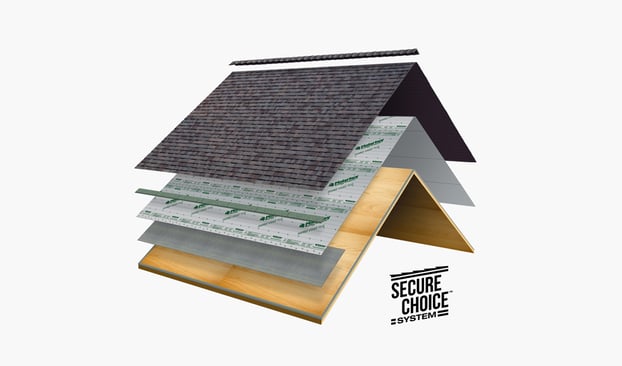
Some of the main parts of a roofing system include:
- Roof decking: The wood surface beneath the roofing materials that provides structural support. Roof decks are usually made with plywood, Oriented Strand Board, or wooden planks in older homes.
- Underlayment: A water-resistant barrier installed beneath the shingles that’s designed to provide a secondary layer of protection if water gets past the shingles for any reason.
- Ice and water shield: A waterproof membrane installed in vulnerable areas of the roof, such as eaves, valleys, around penetrations, and other leak-prone locations, to provide additional protection against water intrusion caused by ice dams, wind-driven rain, or backed-up water.
- Shingles: The outer material layer that protects your home from weather and the elements.
- Flashing: Materials (typically metal) installed around roof edges, wall intersections, chimneys, skylights, and other vulnerable areas to prevent leaks.
-
Roof vents and penetrations: Components that either help regulate attic temperature and moisture or create necessary openings through the roof for plumbing, HVAC, and other systems. These areas require proper flashing and watertight seals to prevent leaks.
It’s important to understand what components are included in your proposal rather than assuming every roof replacement includes the same materials and services. Not every roof will require an entire system overhaul with ventilation upgrades, but your contractor should walk you through your options and explain why they’re recommending the work that they’re recommending.
This photo from Malarkey Roofing Products' website does a great job of illustrating the main components of a roofing system:
What Is Typically Replaced During a Roof Replacement?
At a minimum, a roof replacement should include the removal of the old roofing materials and the installation of new shingles, underlayment, and any roofing components that must be removed or replaced to ensure the roof system can function properly.
That may sound like a broad statement, but the reality is that every roof requires a slightly different approach. What needs to be replaced on one home may not need to be replaced on another, and not every contractor will perform the same level of inspection before recommending a solution.
Ideally, every component would be evaluated and replaced whenever doing so would improve the long-term performance of the roof. In practice, however, some components may still be in good condition and can be safely reused without compromising the performance of the roofing system.
Every roof replacement should include:
- Shingles: The outermost layer that protects your home from the elements.
- Underlayment: A water-resistant barrier installed between the shingles and roof deck.
- Flashing: Metal components installed around roof penetrations, walls, chimneys, skylights, and roof edges to help prevent leaks. Critical flashing, such as chimney flashing and step flashing, plays a direct role in keeping water out of your home and is often replaced during a roof replacement. Other flashing may serve a more cosmetic purpose and can sometimes remain in place if it’s still functioning properly.
- Drip edge and gutter apron flashing: Metal flashing installed along the roof’s edges that helps prevent water from getting behind roofing materials and directs runoff away from the roof.
- Pipe boots: Flashing components installed around plumbing vent pipes that create a watertight seal where the pipes penetrate the roof.
- Roof vents: Components that help regulate attic temperature and moisture levels. Roof-mounted ventilation components, such as exhaust vents and SmartVents (intake), are typically replaced during a roof replacement, while soffit intake vents can often remain in place if they’re still functioning properly.
- Ventilation assessment: An evaluation of the roof’s intake and exhaust ventilation to ensure proper airflow through the attic. Ventilation needs are typically calculated based on attic size, with a common guideline of 1 square foot of ventilation for every 300 square feet of attic space, though we recommend a 1:150 ratio for even better airflow. To learn more about what roof ventilation does and why it’s important, read our article, How Roof Ventilation Affects Shingle Lifespan, Energy Costs, and Warranty Coverage.
The important thing to understand is that a roof is a system, not just a layer of shingles. While shingles are the most visible part of a roof replacement, many of the components that prevent leaks and moisture problems are located underneath or around them. That’s why it’s important to understand exactly what is and isn’t included in your contractor’s proposal.
Would a Roof Overlay Be Considered a New Roof?
A roof overlay is not considered a new roof, because it’s not a replacement. While a roof overlay involves installing new shingles, it doesn’t provide the same opportunity to inspect and address the underlying roofing system because those shingles are installed over (overlayed) the existing shingles.
Because the existing roof remains in place, components such as the underlayment, flashing details, roof decking, and ventilation system cannot be fully evaluated or upgraded in the same way they can during a complete tear-off replacement.
While overlays may be permitted in certain areas and can drastically reduce upfront costs compared to a full replacement, we believe a true roof replacement should include removing the existing roofing materials so the entire system can be properly assessed and any underlying issues can be addressed before the new roof is installed.
How Do Roofing Contractors Decide What Needs to Be Replaced?
What gets replaced during a roof replacement often depends on what the contractor looks for before the project begins.
Some roofing contractors take a more diagnostic approach, evaluating the condition of the entire roofing system before making recommendations. Others focus primarily on replacing the roofing materials themselves and may not spend as much time assessing components beneath the shingles.
For example, a thorough roof replacement evaluation should include:
- Roof decking assessment: Looking for signs of rot, moisture damage, delamination, or structural issues that could affect the performance of the new roof. While it’s impossible to verify the exact condition of the roof deck until work begins and shingles are removed, a reputable contractor will explain the possibility of worn decking and what costs may be involved with that.
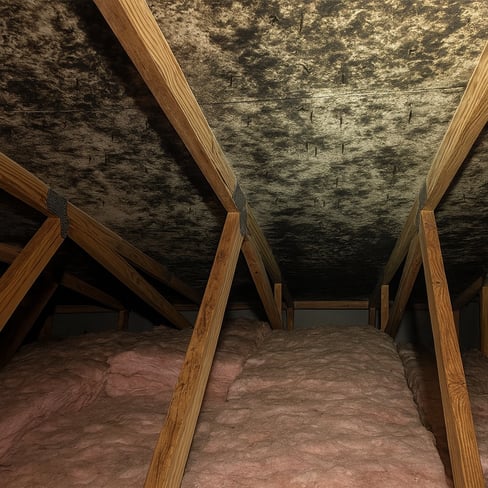
- Ventilation assessment: Determining whether the roof has adequate intake and exhaust ventilation is crucial to the longevity of the new roof. Whenever applicable, your contractor should include the attic as part of their inspection, looking for signs of poor ventilation like mold growth and moisture damage.
- Flashing inspection: Evaluating flashing around chimneys, walls, skylights, and roof penetrations to determine what should be replaced and if there are any existing issues to address while installing the new roof.
If a contractor just does a quick inspection and doesn’t assess certain parts of the roofing system, those items may never appear in the proposal. This can lead to inaccurate quotes or a “new” roof built on worn existing materials, negatively impacting its lifespan.
Below is an example of an attic with clear ventilation issues, showing visible mold across the roof decking. Without an attic inspection, it would be hard or even impossible to find the signs of poor ventilation before clear surface-level symptoms appear.
What Should You Look for When Comparing Roofing Quotes?
When comparing roofing quotes, focus on the scope of work rather than the final price alone.
Two roof replacement proposals may be thousands of dollars apart, but that doesn’t necessarily mean one contractor is overcharging or another is cutting corners. In many cases, the difference comes down to what’s included in the project.
As you review proposals, look for details such as:
- Roof decking replacement: Does the contractor plan to inspect the decking? If damaged wood is found, how will replacement be handled and priced?
- Flashing replacement: Which flashing components will be replaced, and which will remain in place? Is that decision based on their condition?
- Ventilation evaluation: Has the contractor assessed whether the attic has adequate intake and exhaust ventilation, or are they simply replacing the existing materials?
- Roof penetrations: Are components like pipe boots, exhaust vents, and other roof penetrations included in the replacement scope? Will anything be reused?
- Material specifications: Are the shingles, underlayment, and accessories clearly identified so you can do your own research, or are they described in general terms?
- Potential additional costs: Are there circumstances that could result in added charges once the roof is removed, like roof decking? What happens if the scope of work changes after the project begins?
Don’t be afraid to ask questions. A reputable roofing contractor should be able to explain what they’re replacing, what they’re reusing, and why they’re making those recommendations. The goal is to understand exactly what you’re getting so you can make an informed decision about which approach makes the most sense for your home.
How Can You Feel More Confident About Your Next Roof Replacement?
You can gain confidence by understanding the scope of work behind each proposal, asking questions, and taking time to fully compare your options.
As you’ve seen throughout this article, the term “new roof” can mean very different things depending on the contractor and the condition of the home. Some proposals may include ventilation improvements, flashing replacement, and decking repairs, while others may focus primarily on replacing the roofing materials themselves.
That doesn’t automatically make one proposal better than another. What matters is that you understand what’s included, what’s being reused, and why those recommendations are being made.
When you have that information, you’ll be able to compare roofing quotes more accurately and make a decision based on value, not just cost.
If you’ve already received a roofing quote, a helpful next step is learning what questions to ask before moving forward. Our article, What Questions Should I Ask After Receiving a Roofing Quote?, walks through the most important questions homeowners should ask to better understand a contractor’s recommendations and avoid surprises once the project begins.
If you’d like a thorough assessment specific to your roof, we offer no-obligation roof consultations, designed to help you understand your roof’s condition, explore your options, and get answers to your questions without any pressure to move forward with us.




.jpg?width=700&name=Title%20Cover%20Template%20(1).jpg)